Laminate Floors: Benefits, Installation, and Maintenance Tips for a Perfect Finish
What Are Laminate Floors and Why Choose Them?
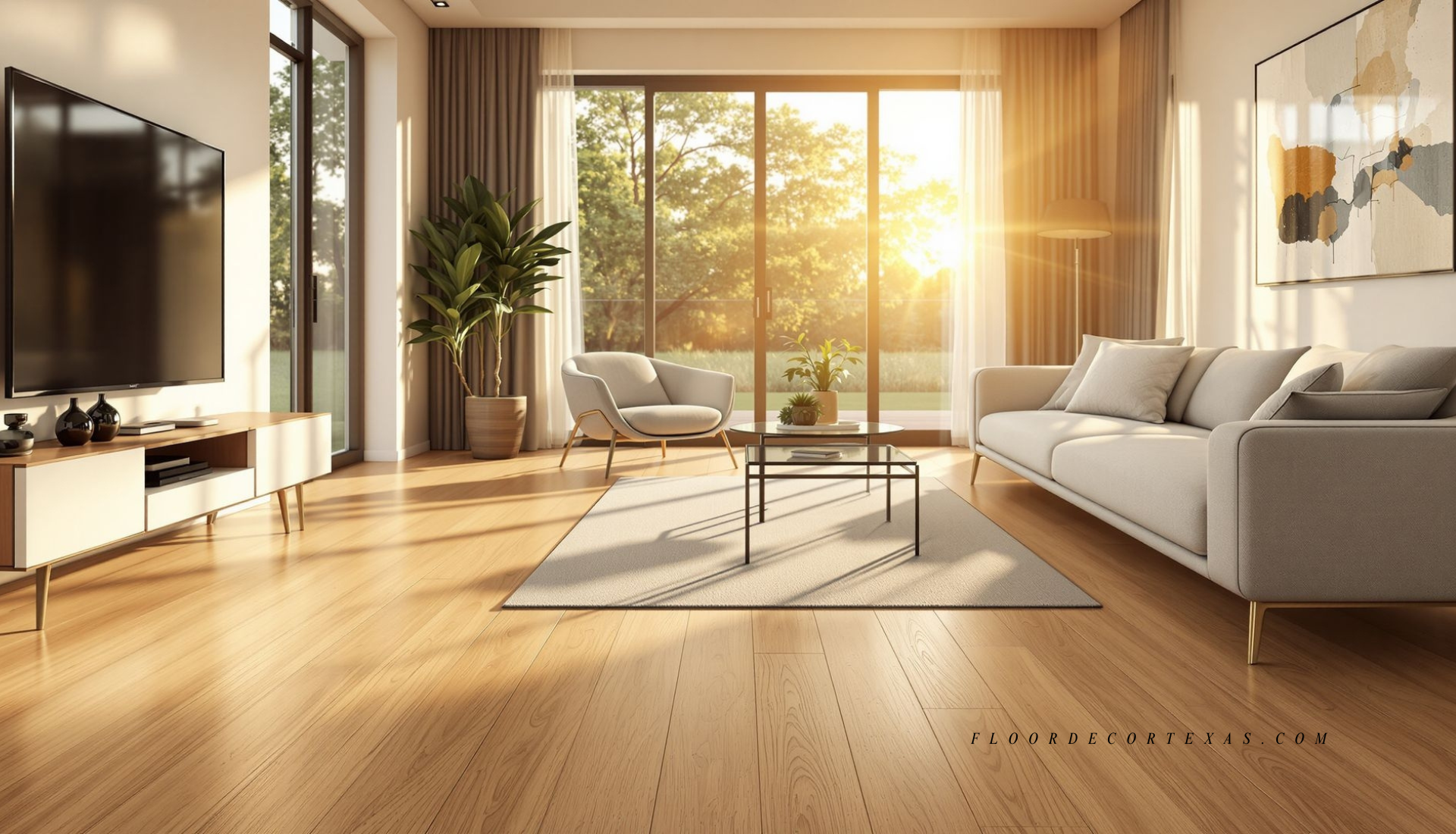
Laminate floors are multi-layered synthetic flooring products that replicate the look of hardwood, stone, or tile at a fraction of the cost. They consist of a composite wood core, photographic image layer, and protective resin coating. Laminate offers exceptional scratch resistance, affordability, and style versatility, making it ideal for budget-conscious homeowners seeking durable, low-maintenance flooring.
Laminate flooring has become a favorite among homeowners looking to blend style with practicality. Whether individually or in a blend with marble floors, laminate mimics the luxurious look of hardwood or tile without the high price tag, making it an appealing choice for anyone aiming for a stunning yet budget-friendly floor solution.
This guide will take you through all you need to know about laminate floors, covering types, installation steps, maintenance practices, and even a few myths. By the end, you’ll be fully equipped to make the best flooring choice for your home.
Understanding Key Laminate Flooring Terms
AC Rating (Abrasion Class)
A durability measurement ranging from AC1 to AC5. Higher ratings indicate greater resistance to wear, with AC4-AC5 suitable for high-traffic residential and commercial spaces.
Click-Lock Installation
A floating floor installation method where planks connect via interlocking tongue-and-groove edges, requiring no glue or nails. Ideal for DIY projects and quick installations.
Underlayment
A thin foam or rubber padding installed beneath laminate flooring to provide moisture protection, sound absorption, and a smoother walking surface. Essential for proper installation.
Photographic Layer
The decorative image layer that replicates wood grain, stone texture, or tile patterns. Advanced printing technology creates highly realistic visual effects in modern laminate.
Wear Layer
The protective resin coating on top of laminate planks that resists scratches, stains, and UV fading. Thicker wear layers provide better long-term durability.
HDF Core
High-Density Fiberboard core that provides structural stability and impact resistance. The dense composition prevents warping and supports the laminate’s layered structure.
What Are Laminate Floors? Understanding This Versatile Flooring Option
Overview of Laminate Flooring Materials
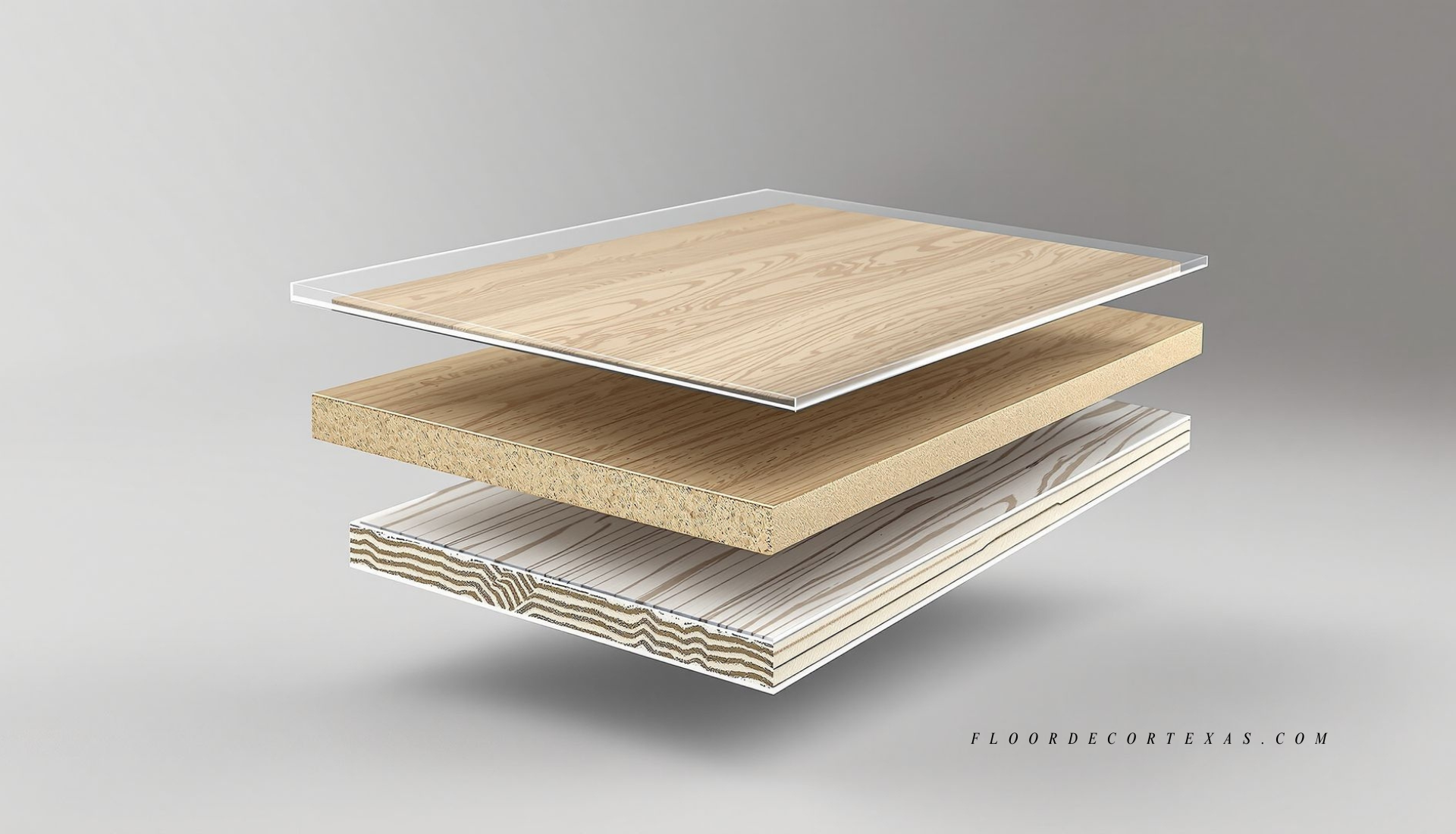
Laminate flooring is crafted from multiple layers, designed to deliver both style and durability. It consists of:
- A composite wood core for stability.
- A photographic layer replicating wood, stone, or tile.
- A protective resin layer that shields against scratches and wear.
Compared to other types like hardwood and vinyl, laminate is affordable, resilient, and visually versatile. Laminate’s construction gives it the aesthetic of natural materials at a fraction of the cost and with better scratch resistance.
Pro Tip: When comparing laminate to other flooring types, consider the total cost of ownership. While hardwood may require refinishing every 7-10 years, quality laminate maintains its appearance with basic cleaning for 15-20 years without additional treatments.
Advantages of Laminate Floors
- Durability: Laminate is highly scratch-resistant, making it ideal for homes with pets or children.
- Affordability: It offers the look of hardwood without the price.
- Variety: Laminate comes in countless colors, textures, and finishes, ensuring options for any interior style.
Common Uses and Applications
Laminate works well in most rooms, including:
- Living Rooms and Bedrooms: Provides warmth and style with easy maintenance.
- Home Offices and Dens: Adds a professional, clean finish that withstands frequent use.
- Kitchens and Basements: With water-resistant options, laminate can work in areas prone to moisture, though caution is advised.
Types of Laminate Floors: Finding the Right Fit for Your Home
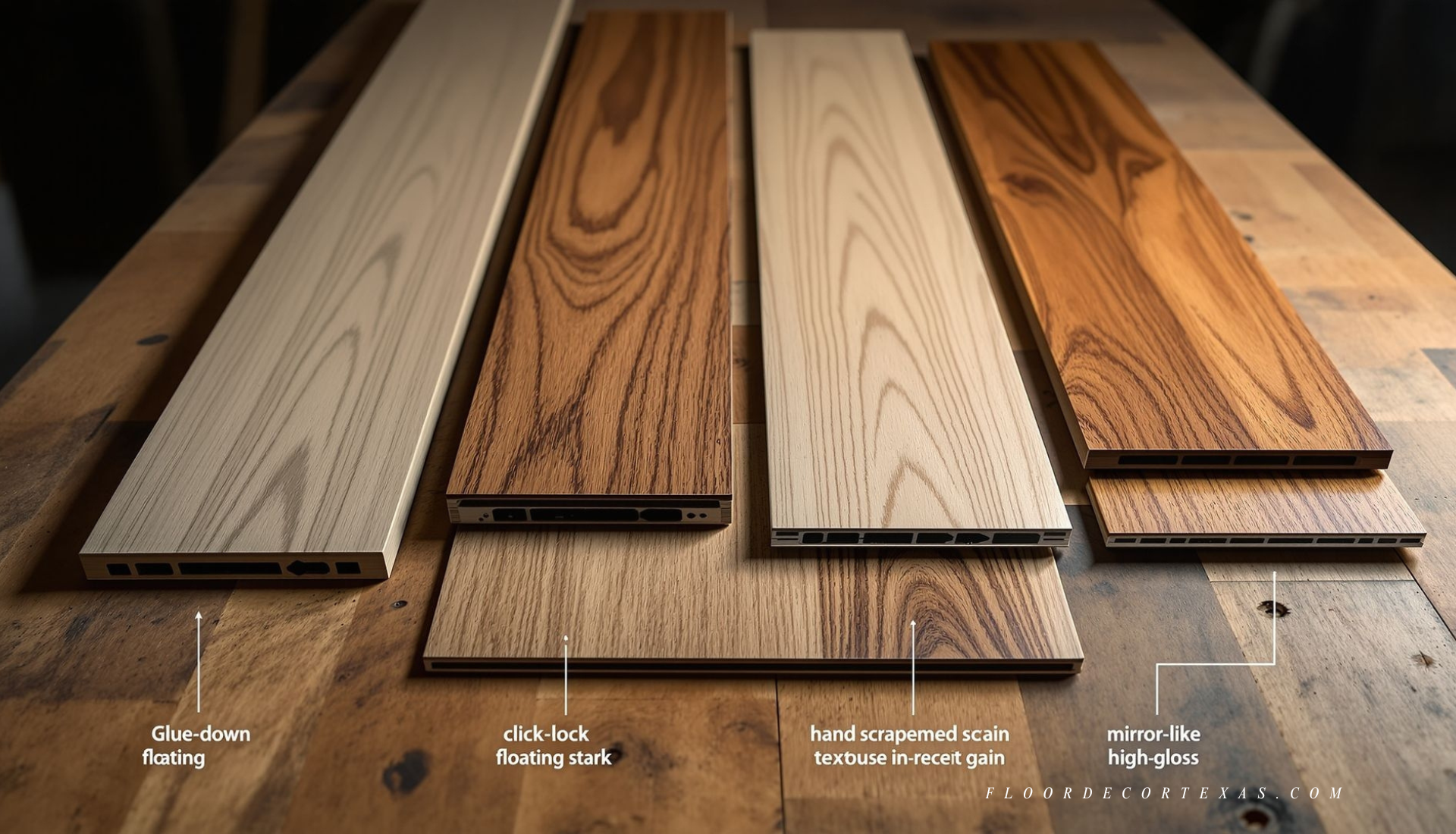
Laminate flooring varies by installation style and surface finish, providing options that meet different aesthetic and practical needs.
Types of Laminate Flooring Based on Installation Style
- Glue-Down Laminate: Applied with adhesive, it’s ideal for high-traffic areas.
- Floating or Click-Lock Laminate: Quick to install, this option is popular among DIYers.
- Pre-Glued Laminate: Features pre-applied adhesive strips for a quicker, semi-DIY-friendly option.
Surface Types and Finishes
Choose a finish that complements your space:
- Smooth Finish: Sleek and minimalist, ideal for contemporary rooms.
- Textured or Hand-Scraped Finish: Offers a rustic feel, perfect for traditional designs.
- High-Gloss Finish: Adds shine and depth, enhancing color vibrancy in modern spaces.
Ready to Upgrade to Beautiful Laminate Floors?
Our flooring experts will help you choose the perfect laminate style, finish, and installation method for your home and budget.
Key Considerations When Choosing Laminate Floors
Selecting the right laminate involves understanding factors like thickness, durability, and water resistance.
Thickness and Durability
Laminate typically ranges from 6mm to 12mm in thickness:
- 6-8mm: Suitable for moderate-traffic areas.
- 10-12mm: Offers enhanced sound absorption and durability, recommended for high-traffic spaces.
AC Rating (Abrasion Class) for Laminate Flooring
AC ratings range from AC1 to AC5, indicating durability based on foot traffic:
- AC1-AC3: Suitable for residential use.
- AC4-AC5: Built for high-traffic and commercial spaces, offering greater resistance.
Cost Comparison: AC3-rated laminate typically costs $1.50-$3 per square foot, while AC4-AC5 commercial-grade laminate runs $3-$5 per square foot—still significantly less expensive than comparable hardwood options at $6-$12 per square foot.
Waterproof vs. Water-Resistant Options
When moisture is a concern, waterproof or water-resistant laminate is ideal. While not entirely waterproof like luxury vinyl plank (LVP), these options handle spills better, making them suitable for kitchens and bathrooms. Learn more about laminate flooring performance in moisture-prone areas.
Installation Process for Laminate Floors
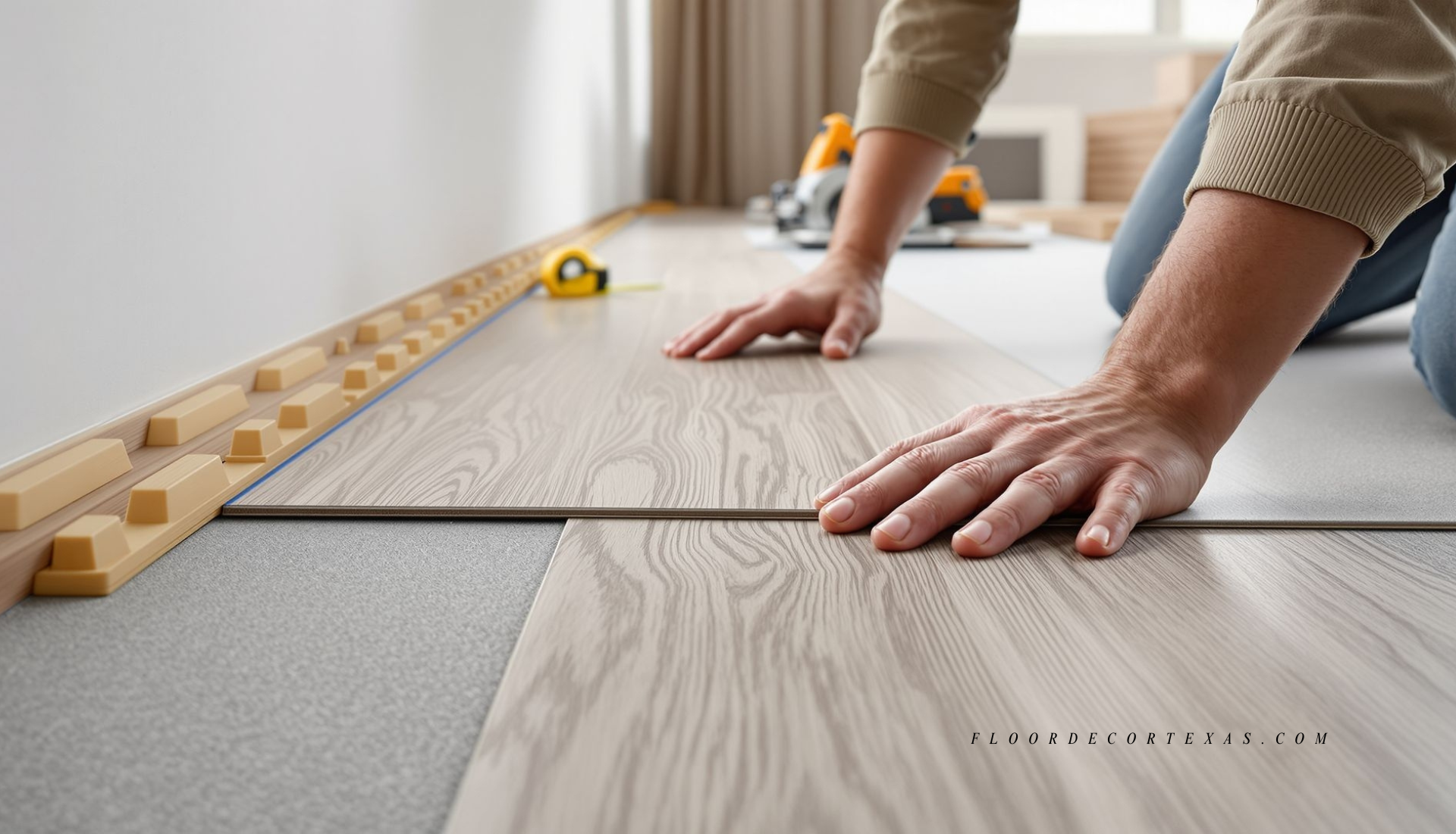
Laminate installation can be a straightforward DIY project, provided you have the right tools and follow each step closely.
Preparation for Installation
Prepare with these essential tools and materials:
- Measuring Tape, Saw, and Spacers
- Underlayment: This controls moisture and absorbs sound, which is essential for a quality finish.
Step-by-Step Installation Guide
- Acclimate the Laminate: Allow the laminate to adjust to room temperature for 48 hours.
- Lay the Underlayment: Select an underlayment that fits your needs (e.g., moisture-resistant for basements).
- Click-Lock Installation Technique: A simple step-by-step click-and-lock system that is great for DIY installation.
Expert Insight:
“The most common DIY installation mistake is not allowing laminate to acclimate properly. That 48-hour waiting period prevents buckling and gaps caused by expansion after installation. Skip it, and you’ll likely see problems within the first year.”
Professional Installation Tips
Pros easily handle complex layouts or multi-room installs. While professional installation costs vary, factors include floor size and room complexity.
Maintenance and Care for Laminate Floors
Maintaining laminate is simple with routine care and preventive measures.
Daily and Routine Cleaning
- Use a microfiber mop or a vacuum with a hardwood setting to avoid scratches.
- Avoid wet mops or abrasive tools that could damage the finish.
Deep Cleaning Tips and Tricks
- Use mild cleaning solutions designed for laminate.
- For tough stains, gently scrub with a soft cloth, avoiding harsh chemicals.
For comprehensive maintenance guidance across all flooring types, see our expert guide to caring for your tile and stone floors.
Preventative Maintenance
Protect your floors with these strategies:
- Rugs and Mats: Place in high-traffic zones to minimize wear.
- Furniture Pads and Pet Nail Trimming: Helps prevent scratches and maintain surface quality.
Key Insights and Research on Laminate Flooring
Laminate flooring continues to evolve in sustainability and style, making it a forward-thinking choice.
Environmental Impact and Sustainability
Some modern laminate options use recycled materials, lowering their environmental footprint. Sustainable manufacturing practices make laminate an eco-conscious option for green-minded homeowners.
Market Trends in Laminate Flooring
- Gray Tones and Wide Planks: Adds a contemporary touch.
- Mixed Widths: For a unique, custom look that fits varied design aesthetics.
Stay updated on the latest floor tile trends to see how laminate compares to other popular options.
Consumer Studies and Satisfaction Rates
Studies indicate that homeowners favor laminate’s durability and aesthetic appeal, often rating it highly for value compared to hardwood and vinyl.
Common Myths About Laminate Floors
Debunking misconceptions helps clarify the laminate’s true potential:
- Myth: Laminate Looks “Fake.” Modern laminate closely resembles wood and tile textures, offering a realistic finish.
- Myth: Laminate Isn’t Durable. With high AC ratings, laminate can handle pets, kids, and heavy foot traffic.
- Myth: Laminate Isn’t Suitable for Kitchens or Bathrooms. Waterproof laminate options are now available for moisture-prone areas.
Real-World Case Studies: Laminate Flooring Success Stories
Case Study 1: Laminate in a High-Traffic Family Room
A family chose laminate for its scratch resistance and easy maintenance. Years later, it shows minimal wear, showcasing its durability.
Case Study 2: Laminate Floors in a Modern Kitchen
Laminate was chosen for style and affordability. With waterproof features, the kitchen floor stands up well to spills and humidity.
Frequently Asked Questions About Laminate Flooring
Is laminate flooring suitable for pet owners?
Yes, high AC-rated laminate (AC4 or AC5) withstands scratches from pet nails exceptionally well. The protective wear layer resists surface damage that would show on softer flooring materials. For best results, keep pet nails trimmed and use area rugs in high-activity zones. Laminate is also easier to clean than carpet when dealing with pet accidents.
Can laminate flooring be refinished or repaired?
Unlike hardwood, laminate cannot be sanded and refinished. However, damaged planks can be individually replaced if you’ve saved extra material from installation. This is one advantage of click-lock laminate—you can disassemble sections to swap out damaged pieces without replacing the entire floor. For minor scratches, laminate repair kits with color-matched putty can provide temporary fixes.
What is the lifespan of laminate flooring?
With proper care and maintenance, quality laminate flooring can last 15-25 years. Higher AC-rated products (AC4-AC5) typically last longer in high-traffic areas. Lifespan depends on factors including wear layer thickness, installation quality, foot traffic levels, and maintenance consistency. Budget laminate with thin wear layers may show wear in 10-12 years.
Can laminate be installed over existing floors?
Yes, as long as the existing floor is level, stable, and dry. Laminate can be installed over tile, vinyl, concrete, or old laminate. However, it should not be installed over carpet or cushioned vinyl. The subfloor must be flat within 3/16″ over a 10-foot span. Uneven surfaces will cause the laminate to flex, potentially breaking the locking mechanisms over time.
How does laminate compare to luxury vinyl plank (LVP)?
Both offer durability and affordability, but with key differences. Laminate is harder and more scratch-resistant, while LVP is 100% waterproof and softer underfoot. Laminate works better in dry, high-traffic areas like living rooms and hallways. LVP excels in moisture-prone spaces like bathrooms and kitchens. Cost-wise, they’re comparable, though premium LVP tends to be slightly more expensive.
What maintenance does laminate flooring require?
Laminate requires minimal maintenance compared to hardwood. Regular sweeping or vacuuming (without a beater bar) removes debris that could scratch the surface. Damp mopping with laminate-specific cleaners handles deeper cleaning—avoid excessive water that could seep into seams. Use furniture pads, area rugs in high-traffic zones, and door mats at entrances to prevent dirt and scratches. No waxing, polishing, or refinishing required.
Transform Your Home with Beautiful, Durable Laminate Floors
Whether you’re looking for the elegance of hardwood at a budget-friendly price or a scratch-resistant surface for your busy household, laminate flooring delivers exceptional value.
Our flooring experts will guide you through styles, finishes, and installation options to find the perfect laminate for your space.
Get Your Free Laminate Flooring Consultation
Expert installation available | Free design consultation | Serving all of Texas
