

Natural stone
Explore the colors, finishes and natural variation of stone flooring.
Explore natural stone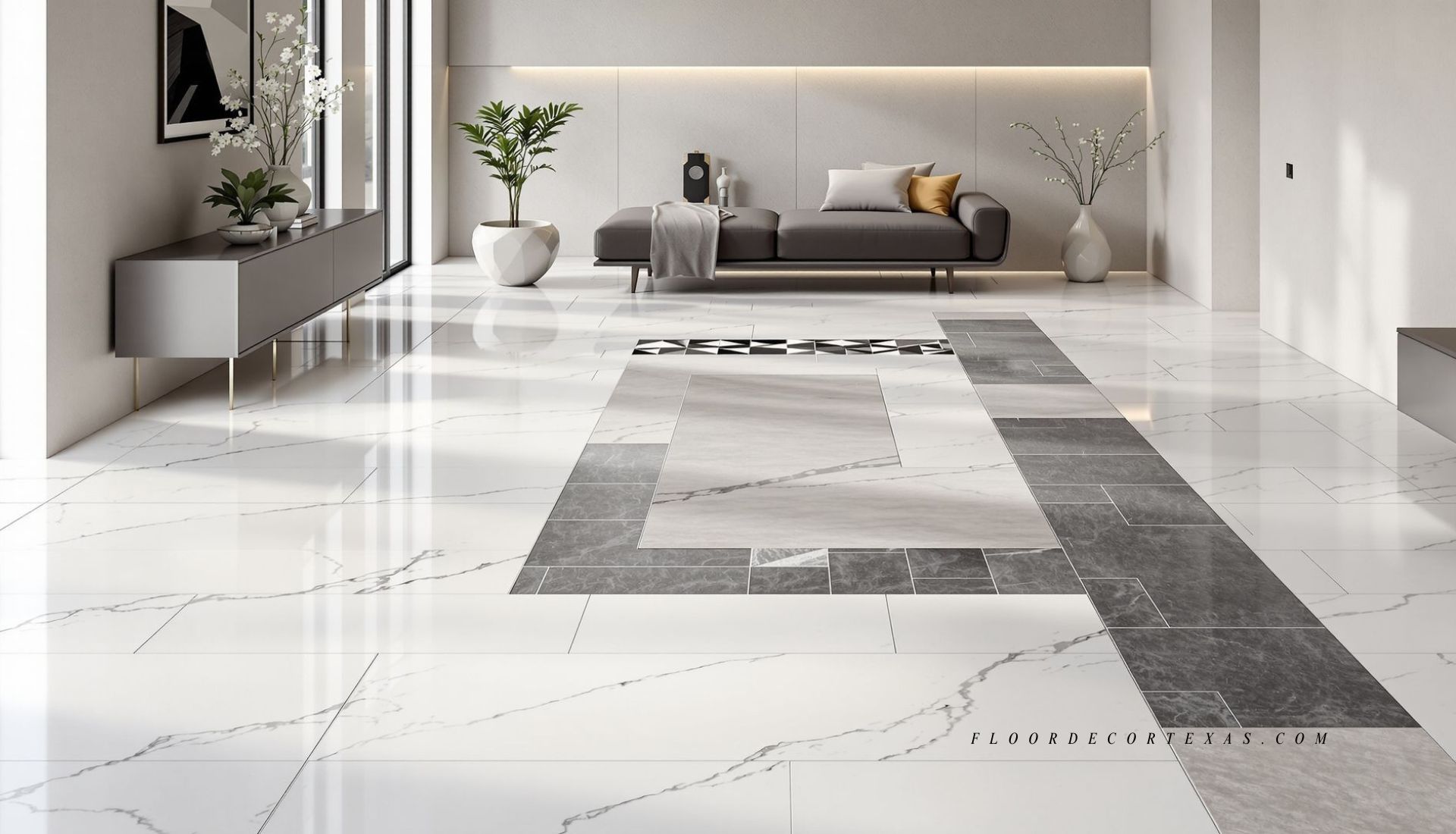
Beautifully grounded.
Texture with a story.
Explore the colors, finishes and natural variation of stone flooring.
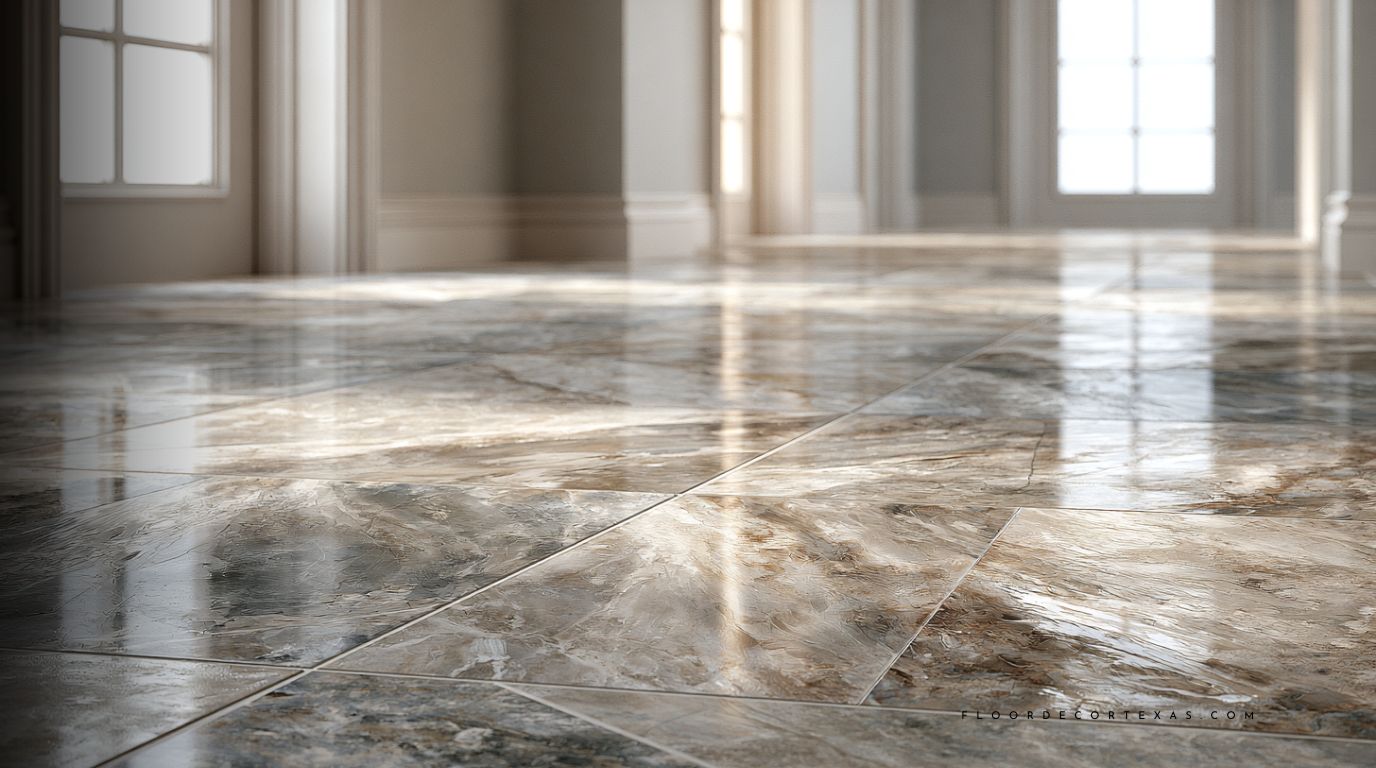
Get to know natural stone.
Overview
Stone Tile Flooring: Materials, Installation, and Care Guide
Quick Answer
Is stone tile flooring a good choice for a home?
Stone tile flooring can be an excellent choice when its mineral composition, finish, strength, absorption, slip performance, and installation method match the room. Marble, granite, slate, limestone, travertine, and sandstone perform differently. Verify test data, substrate requirements, wet-area details, maintenance needs, and outdoor suitability before choosing a specific stone.
Stone Tile Flooring Overview for Homeowners
Stone tile flooring is made by extracting natural stone, cutting it into modules, calibrating or gauging it as needed, and applying a selected surface finish. Depending on the stone and design, the finish may be polished, honed, brushed, flamed, sandblasted, tumbled, or naturally cleft.
Every natural stone has a geological identity and measurable physical properties. Products sold under the same broad name can vary in absorption, abrasion resistance, strength, mineral composition, color, texture, and sensitivity to chemicals. A useful specification identifies the exact stone and finish rather than relying only on words such as marble, slate, or granite.
Natural variation is part of the appeal. Veins, fossils, shade differences, mineral markings, and texture can make an installation visually distinctive. Those same characteristics require realistic sample review. Inspect several pieces from the available lot and approve a dry layout when variation or directional veining is important.
Stone can support long-lived construction, but describing every stone product as sustainable is too broad. Quarry practices, fabrication energy, transportation distance, material yield, installation products, maintenance, service life, and end-of-life reuse all affect environmental performance. Product-specific environmental declarations and responsible-sourcing documentation provide better evidence than a generic green claim.
Before choosing stone, compare it with other tile flooring options, marble flooring guidance, and resilient flooring alternatives. The right material depends on the room, household, desired appearance, installation scope, and maintenance capacity.
Stone Tile Flooring Entity Map
Natural Stone Institute
The Natural Stone Institute publishes stone standards, care information, testing resources, and sustainability documentation.
Tile Council of North America
The Tile Council of North America publishes the 2026 installation handbook covering ceramic, glass, and stone tile.
American National Standards Institute
ANSI A326.3 provides test methods, use classifications, and guidance concerning dynamic coefficient of friction for hard-surface flooring.
ASTM International
ASTM International publishes test methods used to evaluate stone absorption, strength, abrasion, weathering, and other properties.
National Tile Contractors Association
The National Tile Contractors Association provides technical education and contractor qualification resources.
Ceramic Tile Education Foundation
The Ceramic Tile Education Foundation administers installer education and certification programs.
Stone Tile Flooring Types and Material Differences
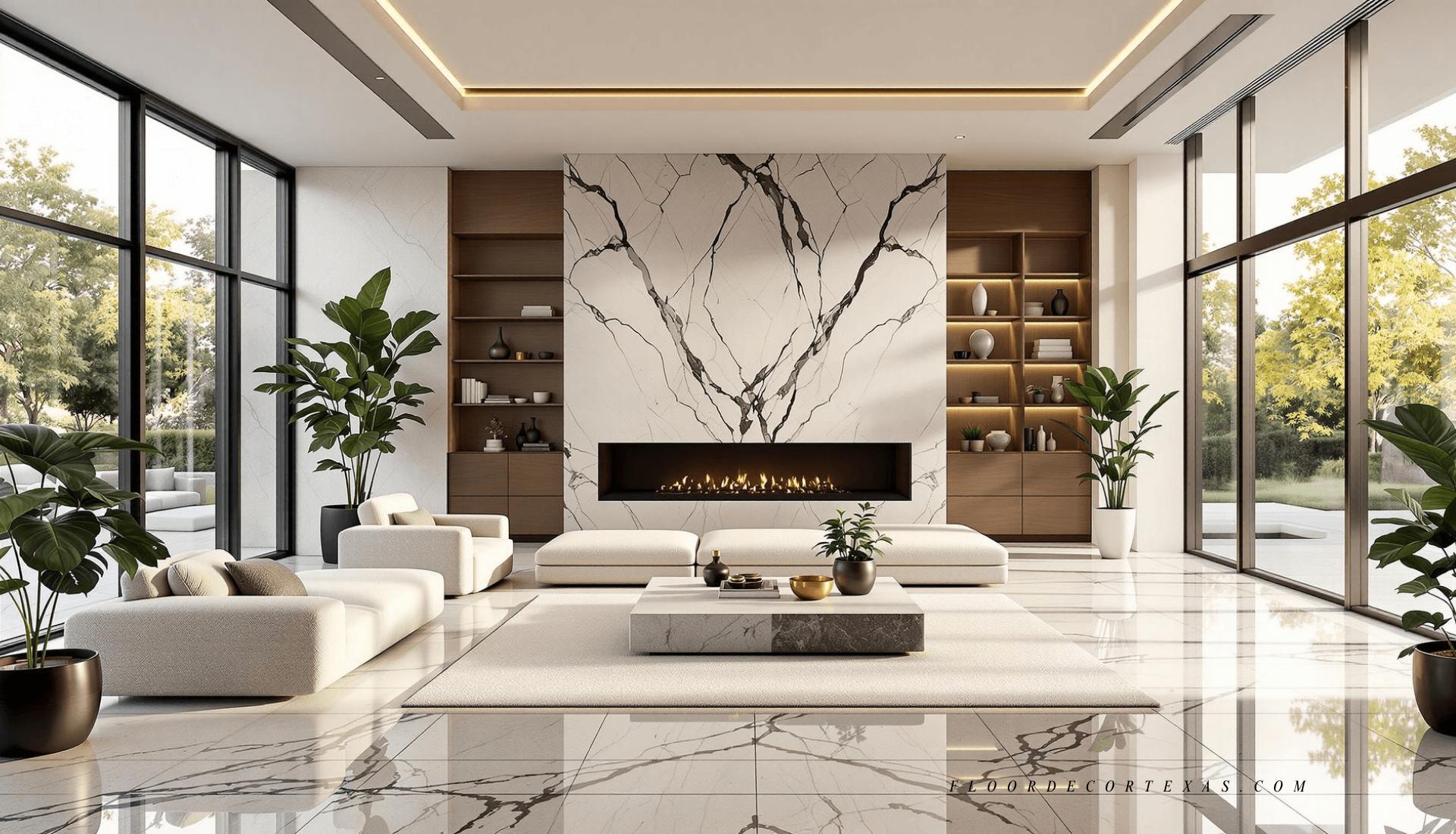
Marble
Marble offers distinctive veining and polished or honed finishes. Because it is calcium based, common acids can etch it. Confirm abrasion, absorption, finish, and room suitability.
Granite
Granite is an igneous stone available in many mineral combinations. Performance varies, so request test data rather than assuming every granite is equally stain, scratch, or slip resistant.
Slate
Slate may have a natural cleft or fabricated finish. Composition, surface texture, weathering behavior, and quality vary. A textured appearance does not establish measured wet slip performance.
Travertine
Travertine is a calcium-based stone with naturally occurring voids that may be filled or left open. Finish, fill, edge treatment, and maintenance affect its appearance and use.
Limestone
Limestone ranges from dense and fine grained to more porous varieties. It is generally acid sensitive. Verify abrasion, absorption, finish, and exposure requirements.
Sandstone
Sandstone offers layered color and texture, but density and weathering performance vary. Outdoor use requires test data and project-specific evaluation.
Mixing stones or finishes can create a distinctive pattern, but compatibility matters. Materials placed together should work with the same installation system, cleaning process, traffic, moisture exposure, and desired slip performance. Differences in thickness, absorption, strength, and surface wear can complicate installation and maintenance.
6 checks
Confirm stone identity, finish, absorption, strength, slip data, and approved installation environment.
Stone Tile Flooring Selection by Room

Living rooms and formal spaces
Living rooms allow a broad range of stone and finish choices when the supporting assembly is suitable. Consider comfort, acoustics, rugs, sunlight, furniture loads, transitions, and maintenance. Polished stone may create strong reflections, while honed or textured finishes produce a quieter appearance.
Kitchens and dining areas
Kitchen flooring must handle grit, spills, grease, chair movement, and concentrated traffic. Marble, limestone, and travertine can etch when exposed to common acids. Granite performance varies by product. Select a floor based on documented properties rather than applying countertop claims to flooring.
Bathrooms and wet locations
Stone is not a substitute for waterproofing. A bathroom assembly requires appropriate slope, drainage, waterproofing, setting materials, movement accommodation, and detailing. Review measured wet slip performance for the exact stone and finish. The word honed or textured alone does not establish that a surface is safe.
Entryways and high-traffic areas
Entryways receive abrasive grit and moisture from outdoors. Evaluate abrasion resistance, finish, cleaning access, mat placement, and exposure to deicing chemicals or other contaminants. Walk-off mats should have compatible, slip-resistant backing and should be cleaned underneath regularly.
Patios and exterior applications
A stone used outdoors must be evaluated for climate, freeze-thaw exposure where relevant, absorption, strength, weathering, salt exposure, solar heating, drainage, slip performance, thickness, and installation method. A stone suitable indoors is not automatically suitable for an exterior patio.
Texas climate conditions vary by region and project. Intense sunlight, heat, heavy rain, soil movement, irrigation, pool chemicals, and occasional freezing conditions may all influence selection and detailing. Obtain project-specific confirmation from the stone supplier, design professional, and installer.
Compare Stone Options for Your Room
Match the stone, finish, installation system, and care requirements to the actual room conditions.
Stone Tile Flooring Installation, Design, and Care
Prepare the supporting assembly
A successful installation begins below the visible stone. The supporting structure and substrate must meet the requirements of the selected installation method. Flatness, deflection, cracks, moisture, contamination, structural joints, and surface condition can affect bond, alignment, lippage, and service life.
Natural stone may require different structural or substrate provisions than ceramic tile. Large-format pieces place additional demands on flatness, handling, mortar coverage, and layout. Obtain the applicable installation method and product instructions before construction begins.
Plan movement accommodation
Tile and stone installations require movement accommodation. Perimeter gaps, structural joints, changes in plane, and field movement joints must be located and detailed according to the assembly and site conditions. Direct sunlight, moisture, temperature change, and large uninterrupted areas can increase movement demands.
Design with actual material
Large-format tiles can reduce the number of joints but do not automatically make a room appear larger. Mosaics can improve visual detail and follow curved or sloped surfaces, but their suitability depends on the backing, assembly, joint design, and intended exposure.
French, Versailles, modular, checkerboard, border, and mixed-finish layouts require accurate planning. Verify module dimensions, grout-joint assumptions, stone thickness, pattern repeats, transitions, perimeter cuts, and quantities before ordering. Use a dry layout to control directional veining and prominent color variation.
Use material-specific care
Remove abrasive grit frequently with a clean, untreated dust mop or suitable hard-floor vacuum. Clean with a neutral product approved for the installed stone. Marble, limestone, and travertine are calcium based and can be etched by vinegar, citrus, and other acids.
Do not assume every stone needs sealing. Some stones and exposures benefit from an impregnating treatment, while others may not. A suitable treatment improves stain resistance but does not create complete protection against stains, acids, scratches, moisture, or slipping.
Pro Tip from the Editorial Team: Keep representative samples, attic stock, stone names, lot information, installer records, product data, setting-material details, sealer information, and care instructions together. These records make later cleaning and repairs more accurate.
Stone Tile Flooring Comparison Table
| Stone | Key Characteristic | Primary Selection Check | Care Concern |
|---|---|---|---|
| Marble | Veining and polished or honed finishes | Abrasion, finish, absorption, and room use | Acid etching and visible traffic wear |
| Granite | Dense igneous appearance with varied minerals | Test data for the exact product | Avoid unsupported stain and scratch claims |
| Slate | Cleft or fabricated surface texture | Weathering, absorption, finish, and slip data | Composition and surface quality vary |
| Travertine | Natural voids with filled or unfilled options | Fill, finish, absorption, and exposure | Acid sensitivity and fill maintenance |
| Limestone | Muted colors and varied density | Abrasion, absorption, finish, and climate | Acid sensitivity |
| Sandstone | Layered color and granular texture | Strength, weathering, absorption, and location | Porosity and surface wear vary |
Stone Tile Flooring Frequently Asked Questions
Does all stone tile flooring need to be sealed?
No. Some stones and exposures may benefit from a compatible impregnating treatment, while others may not need one. Follow guidance for the exact stone, finish, location, and sealer.
How long does stone tile flooring last?
There is no universal lifespan. Stone properties, assembly design, installation quality, traffic, exposure, maintenance, structural movement, and repair practices all influence service life.
Is honed stone automatically slip resistant?
No. Request measured slip-performance information for the exact stone and finish. Contamination, drainage, slope, joints, footwear, maintenance, and intended users also affect safety.
Can any stone tile be installed outdoors?
No. Outdoor suitability depends on climate, absorption, strength, freeze-thaw exposure where relevant, weathering, salt, drainage, slip performance, thickness, and installation method.
How should stone tile flooring be cleaned?
Remove abrasive grit and use a neutral cleaner approved for the installed stone. Avoid acids on calcium-based stones and test unfamiliar products in an inconspicuous location.
What determines the cost of stone tile flooring?
Material, grade, finish, format, freight, quantity, waste, layout, demolition, substrate preparation, setting materials, transitions, access, labor, and local market conditions all affect the complete project cost.
Plan a Better Stone Tile Flooring Project
Choose natural stone using verified properties, room-specific requirements, qualified installation, and realistic maintenance expectations.
- Identify the exact stone and finish
- Match documented properties to the room
- Plan the complete supporting assembly
- Keep samples, attic stock, and project records