Wood Floors: How to Choose, Install, and Maintain Hardwood Flooring

Quick Answer

How do you choose and maintain the best wood floors?

Choose wood floors by matching the construction, species, finish, installation method, and moisture limits to the room. Maintain them by controlling indoor humidity, removing abrasive dirt, cleaning spills promptly, and using manufacturer-approved products. Engineered wood may offer greater dimensional stability, but no wood floor is universally waterproof.

Explore Wood Flooring Options

Wood Floors Begin With the Right Product for the Room

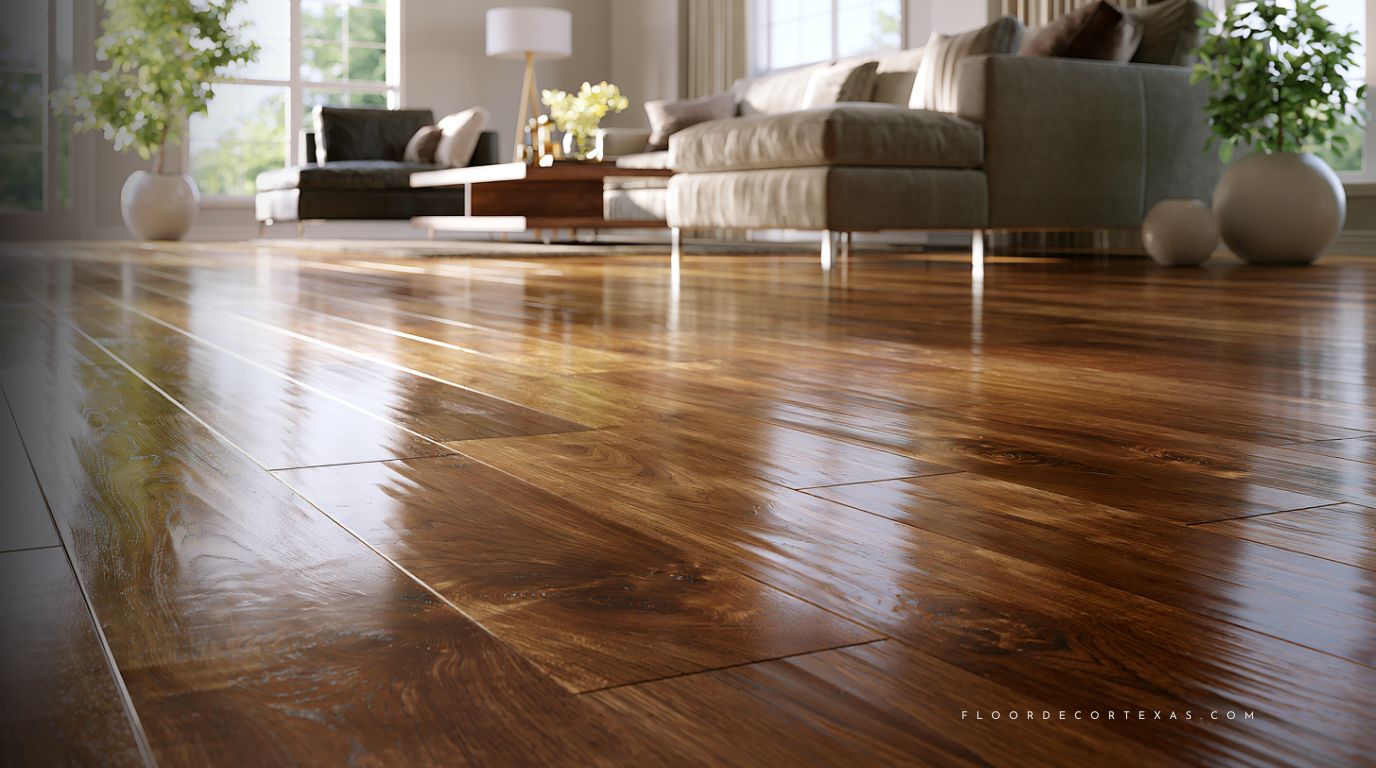
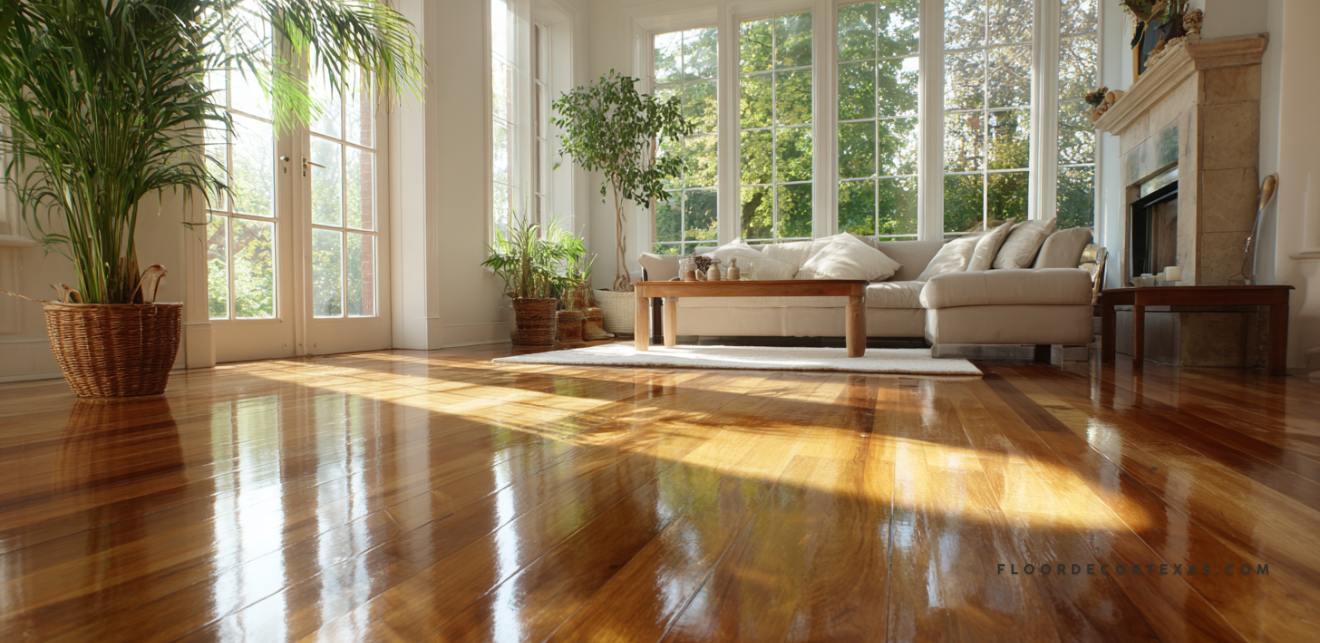
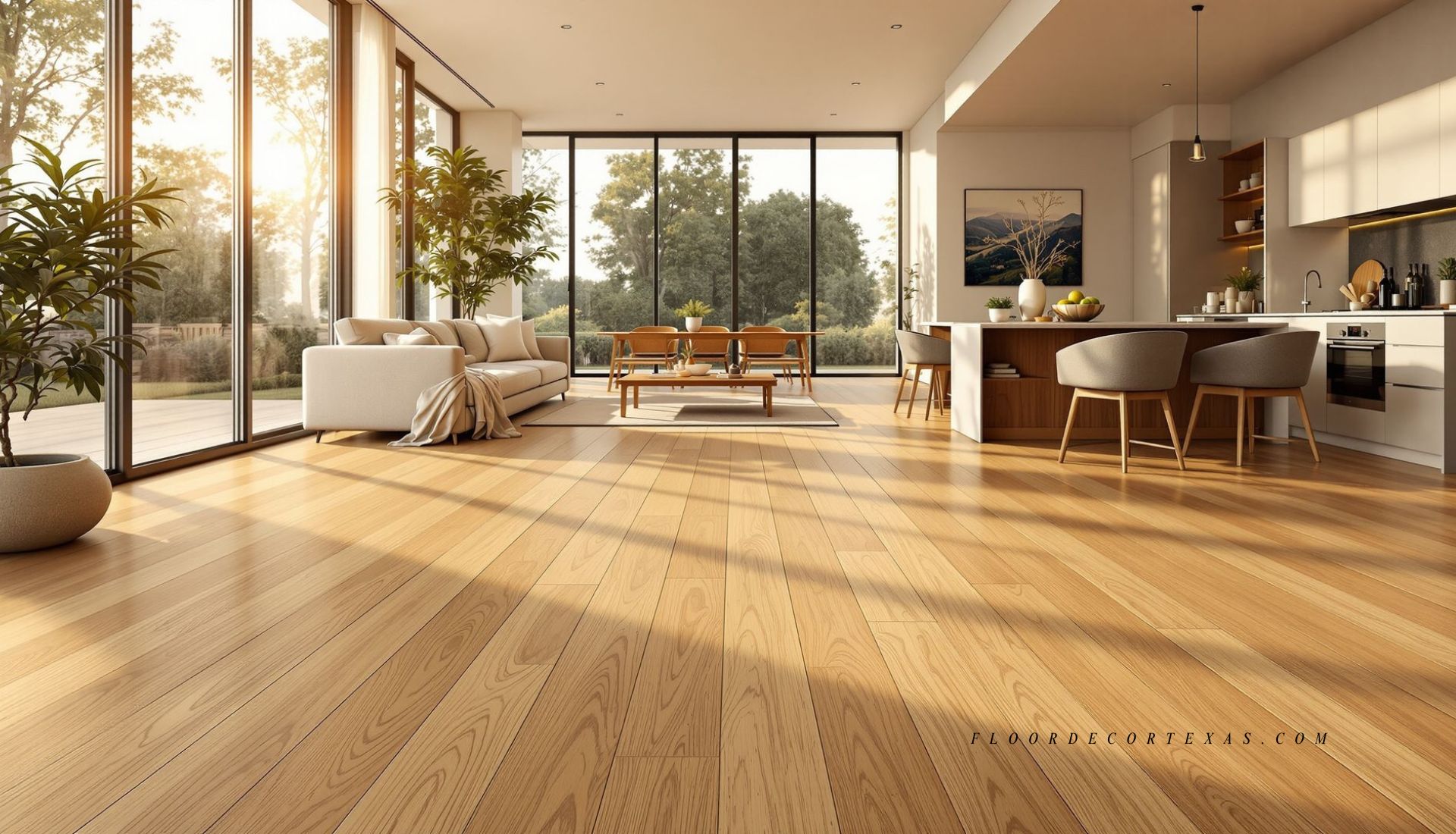
Natural wood floors in a warm home interior
Natural wood flooring provides warmth and grain variation, but successful performance begins with correct product selection.

Wood floors can provide warmth, natural variation, and a surface that may be repaired or renewed over time. Their performance, however, depends on more than whether the label says solid or engineered. Species, grade, cut, board width, construction, finish, installation method, subfloor, sunlight, indoor humidity, and daily traffic all influence how a floor looks and ages.

Start with the installation environment. Record whether the room is above, on, or below grade; whether the subfloor is wood or concrete; and whether plumbing, exterior doors, pets, strong sunlight, or seasonal humidity create additional demands. A flooring professional should also evaluate flatness, moisture, structural movement, and preparation requirements before the material is ordered.

Solid hardwood is milled from one piece of wood. Engineered wood flooring uses a real wood wear layer over a multilayer core. The layered construction of an engineered product may improve dimensional stability, but construction quality and manufacturer requirements vary. Neither category should be described as automatically waterproof or appropriate for every moisture-prone space.

Review the complete Floor Decor Texas guide to choosing and maintaining wood floors, then compare that material with alternatives such as the advantages and disadvantages of living-room tile.

Four details to establish before shopping

Room Conditions

Identify moisture exposure, sunlight, traffic, pets, and indoor climate conditions.

Subfloor

Confirm its material, moisture condition, structural soundness, cleanliness, and flatness.

Installation Method

Determine whether the product permits nail-down, staple-down, glue-down, or floating installation.

Maintenance Plan

Understand approved cleaners, humidity limits, repair options, and finish-renewal requirements.

Wood Floors Entity Map

These organizations publish standards, regulations, certification information, or technical guidance relevant to wood floors. Product-specific instructions and the conditions at the installation site should still govern the project.

Wood Flooring Guidance
National Wood Flooring Association

Consumer and professional resources covering installation, indoor conditions, maintenance, and repair.

Responsible Sourcing
Forest Stewardship Council

Forest-management and chain-of-custody certification for responsibly sourced forest materials.

Composite Wood Rules
U.S. Environmental Protection Agency

TSCA Title VI requirements addressing formaldehyde emissions from regulated composite wood products.

Hardwood Products
American Hardwood Export Council

Technical information about American hardwood species, properties, and environmental assessment.

Installation Standards
ASTM International

Test methods and standards referenced by flooring manufacturers and construction professionals.

Indoor Emissions
FloorScore

Third-party certification addressing VOC emissions from hard-surface flooring and related products.

Wood Floors: Solid Hardwood Versus Engineered Wood
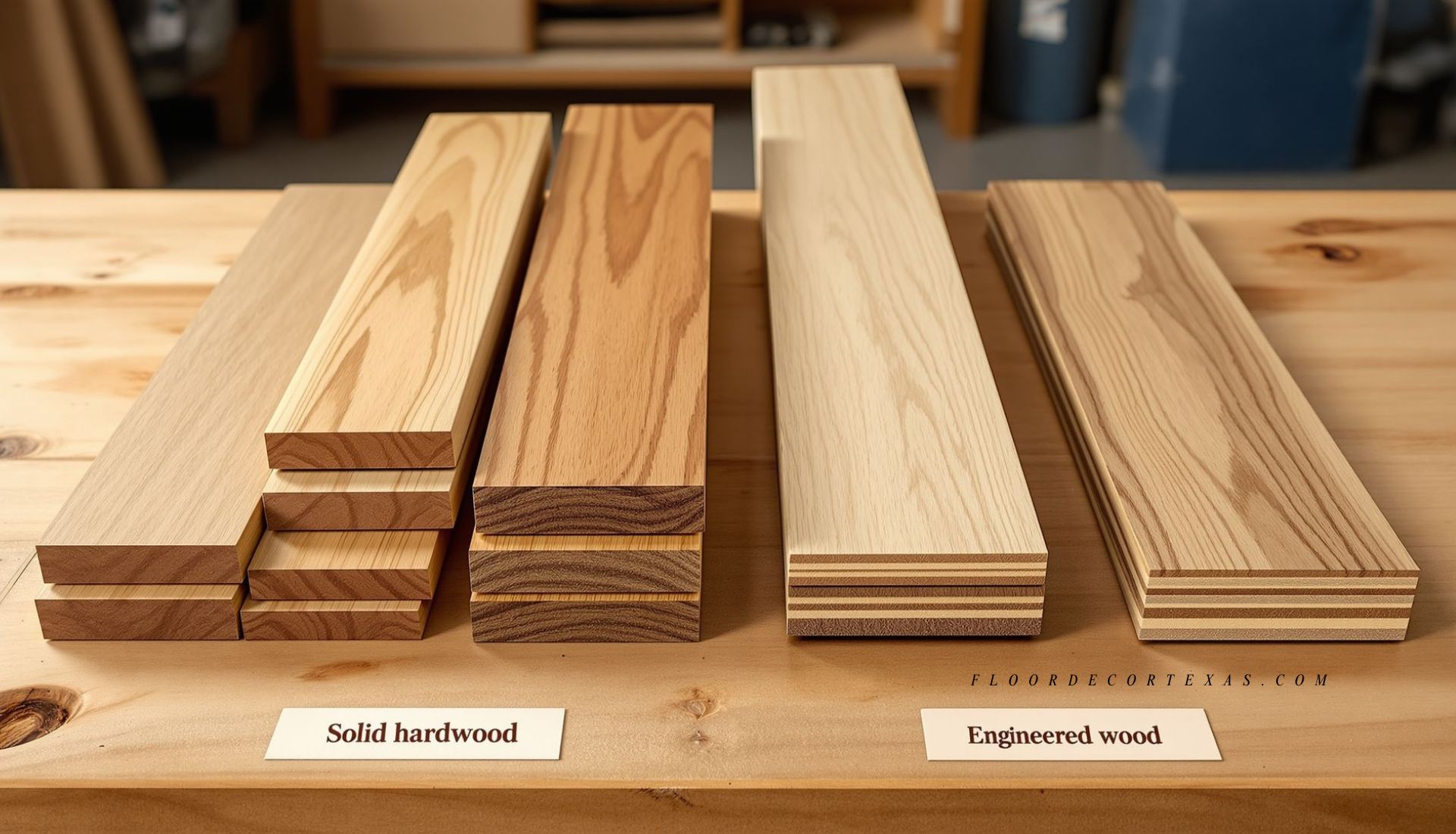
Solid hardwood and engineered wood floors comparison
Solid hardwood uses one piece of wood, while engineered flooring combines a real wood surface with a layered core.

When solid hardwood may be appropriate

Solid hardwood is often chosen for above-grade rooms with a suitable wood subfloor and controlled indoor conditions. Depending on board thickness, condition, fastener depth, and previous sanding, it may be refinished multiple times. That potential can support a long service life, but claims that every solid floor lasts more than 100 years are not guarantees.

Board width and species affect movement and appearance. Wider boards can show dimensional changes more clearly. The wood's moisture content should be appropriate for the site, and the product must be acclimated or conditioned according to the manufacturer's instructions rather than an arbitrary number of days.

When engineered wood may be appropriate

Engineered flooring may permit installation over concrete or in locations where solid hardwood is not recommended. Its cross-layered construction can reduce some dimensional movement, but it remains a wood product. Plumbing leaks, flooding, excessive slab moisture, or prolonged standing water can damage an engineered floor.

Refinishing potential depends primarily on the real wood wear layer, surface texture, construction, installation, and manufacturer guidance. Some engineered products can be sanded and refinished; some may only permit screening and recoating; others should not be mechanically sanded. Do not assume that every engineered floor can be refinished once or twice.

Product-Specific

Wood-floor lifespan and refinishing potential depend on construction, remaining wear layer, installation, traffic, environment, damage, and maintenance.

Wood Floors Species, Grade, Finish, and Appearance

Species selection affects color, grain, hardness, photosensitivity, availability, and price. Oak is widely used because of its recognizable grain and broad finish range. Maple generally has a finer visual pattern, while hickory commonly provides stronger color variation. Walnut is typically darker and softer than several domestic alternatives.

Hardness is only one performance measure

The Janka hardness test can compare resistance to indentation under standardized conditions, but a higher number does not mean a floor is scratch-proof. Finish system, texture, color, grain, traffic, dirt control, pet nails, furniture, and maintenance influence how quickly everyday wear becomes visible.

A very smooth, dark, glossy floor may reveal dust and scratches more readily than a lighter floor with visible grain or subtle texture. Wire-brushed or hand-scraped surfaces may disguise minor marks, although deeper texture can require more detailed cleaning.

Grade describes appearance, not simple quality

Wood grades can help describe natural features such as knots, mineral streaks, color variation, and board length. A character-rich grade is not necessarily inferior to a visually uniform grade. View multiple full-size samples because one small plank cannot represent the natural variation of an entire installation.

Factory-finished floors arrive with the finish already applied under controlled conditions. Site-finished floors allow customized stain and sheen choices after installation. Each approach has practical tradeoffs involving installation time, board-edge appearance, odor, dust control, repair, and future recoating.

If a wood appearance is desired without wood's maintenance requirements, compare properly rated alternatives, including budget-friendly wood-look tile ideas.

Wood Floors Installation and Moisture Management

A successful installation begins below the visible boards. The subfloor must meet the flooring manufacturer's requirements for structure, flatness, dryness, cleanliness, and compatibility. Moisture evaluation should follow the procedures required for the subfloor type, flooring product, adhesive, and site conditions.

Common installation methods

  • Nail-down or staple-down: Frequently used over suitable wood subfloors when permitted by the flooring manufacturer.
  • Glue-down: Common for certain engineered products and concrete installations using an approved adhesive and preparation system.
  • Floating: Boards connect to one another without being fastened directly to the subfloor, subject to room-size and transition requirements.

No installation method compensates for active moisture intrusion, excessive substrate movement, poor flatness, or inadequate expansion space. The installer should document relevant site conditions and follow the flooring, adhesive, underlayment, and moisture-control manufacturers' instructions.

Pro Tip

Do not purchase flooring based only on the sample and square-foot price. Ask what subfloor preparation, moisture testing, trim, transitions, delivery, acclimation, and furniture handling are included in the estimate.

Editorial Team

Compare wood floors with your installation conditions

Bring room measurements, subfloor information, samples, and performance priorities to a flooring consultation.

Review Project Requirements

Wood Floors Cleaning, Humidity, and Long-Term Care

Preventive maintenance usually costs less than correcting avoidable damage. Use walk-off mats at exterior entrances, remove abrasive grit regularly, place protective pads beneath furniture, trim pet nails, and lift furniture instead of dragging it. Avoid rubber or other backings that the flooring manufacturer identifies as incompatible with the finish.

Use approved cleaning methods

Sweep with a soft broom, use a microfiber dust mop, or vacuum with a hard-floor setting that does not allow a rotating brush to strike the floor. The source article's universal ban on beater bars was simplified. The equipment must be appropriate for the floor and used according to both the vacuum and flooring manufacturers' instructions.

Clean spills promptly with a soft absorbent cloth. Use only the amount of liquid and cleaner approved for the finish. Do not use wax, oil soap, abrasive powder, vinegar mixtures, steam, or general-purpose polish unless the manufacturer specifically permits that product and method.

Maintain suitable indoor conditions

Wood gains moisture and can expand when surrounding air becomes humid. It loses moisture and may contract when conditions become dry. The National Wood Flooring Association commonly identifies 60 to 80 degrees F and 30 to 50 percent relative humidity as recommended occupied conditions, unless the flooring manufacturer specifies another range.

A humidifier or dehumidifier may help maintain suitable conditions, but equipment must be sized and operated correctly. Plumbing leaks, condensation, drainage problems, and slab moisture require correction at their source rather than relying only on indoor climate equipment.

Refinish according to condition, not a fixed calendar

There is no universal requirement to refinish solid hardwood every seven to ten years. A floor may need maintenance coating sooner or remain serviceable much longer. Finish type, traffic, cleaning, scratches, sunlight, and previous work determine the proper response. Recoating before the finish wears through can sometimes preserve the wood without a full sanding.

Wood Floors Comparison and Sustainability

The following comparison describes common tendencies, not guaranteed service lives. Always review documentation for the exact flooring product.

Factor Solid Hardwood Engineered Wood
ConstructionOne piece of woodReal wood surface over layered core
Below-grade useCommonly restrictedSome products permit it
RefinishingMay permit multiple sandingsDepends on wear-layer construction
Moisture responseExpands and contracts with conditionsMay be more dimensionally stable, but still moisture sensitive
InstallationOften nail-down or staple-downMay permit nail, glue, or floating methods
Service lifePotentially long when maintained and renewableVaries with construction, wear layer, and use

For responsible sourcing, look for a valid FSC claim and confirm that the supplier's certification scope includes the product. FSC certification addresses forest management and chain of custody. It does not replace evaluation of finish emissions, adhesive, durability, transportation, installation, or end-of-life options.

Engineered floors containing regulated hardwood plywood, medium-density fiberboard, or particleboard should carry applicable TSCA Title VI compliance labeling. That regulatory compliance should not be confused with an all-purpose sustainability certification.

A durable floor that can be maintained and repaired may reduce replacement demand. Review this guide to sustainable flooring options for a broader comparison.

Wood Floors Frequently Asked Questions

Are engineered wood floors waterproof?

Engineered construction does not make all wood flooring waterproof. Some products may provide limited water resistance, but leaks, flooding, excessive substrate moisture, and standing water can still cause damage. Follow the exact product warranty and installation instructions.

Can wood floors be installed in a basement?

Solid hardwood is commonly restricted below grade. Some engineered products permit basement installation when moisture testing, concrete preparation, and the specified installation system meet requirements. Product approval should be confirmed in writing.

How often should wood floors be refinished?

There is no fixed schedule. Refinish or recoat according to the finish type, wear, damage, remaining wood or wear layer, and professional evaluation. Timely maintenance coating may delay the need for complete sanding.

What indoor humidity is recommended for wood floors?

The NWFA commonly recommends 30 to 50 percent relative humidity and temperatures from 60 to 80 degrees F for occupied interiors. Follow the flooring manufacturer's range when it differs.

Can every engineered wood floor be refinished?

No. Refinishing depends on wear-layer thickness, surface texture, construction, installation, damage, and manufacturer guidance. Some products can be sanded, some may only be recoated, and others should not be mechanically refinished.

What should a wood-floor estimate include?

A detailed estimate should identify the product, quantity, waste allowance, delivery, removal, disposal, moisture testing, subfloor preparation, installation method, adhesive or underlayment, trim, transitions, stairs, furniture handling, labor, and warranty responsibilities.

Find wood floors that fit your home

Compare solid and engineered products using your room conditions, design preferences, installation requirements, and maintenance expectations.

Compare solid and engineered wood
Review subfloor requirements
Plan moisture management
Request a detailed estimate
Plan Your Wood Flooring Project

Wood Floors: How to Choose, Install, and Maintain Hardwood Flooring

Quick Answer

How do you choose and maintain the best wood floors?

Choose wood floors by matching the construction, species, finish, installation method, and moisture limits to the room. Maintain them by controlling indoor humidity, removing abrasive dirt, cleaning spills promptly, and using manufacturer-approved products. Engineered wood may offer greater dimensional stability, but no wood floor is universally waterproof.

Explore Wood Flooring Options

Wood Floors Begin With the Right Product for the Room

Natural wood floors in a warm home interior
Natural wood flooring provides warmth and grain variation, but successful performance begins with correct product selection.

Wood floors can provide warmth, natural variation, and a surface that may be repaired or renewed over time. Their performance, however, depends on more than whether the label says solid or engineered. Species, grade, cut, board width, construction, finish, installation method, subfloor, sunlight, indoor humidity, and daily traffic all influence how a floor looks and ages.

Start with the installation environment. Record whether the room is above, on, or below grade; whether the subfloor is wood or concrete; and whether plumbing, exterior doors, pets, strong sunlight, or seasonal humidity create additional demands. A flooring professional should also evaluate flatness, moisture, structural movement, and preparation requirements before the material is ordered.

Solid hardwood is milled from one piece of wood. Engineered wood flooring uses a real wood wear layer over a multilayer core. The layered construction of an engineered product may improve dimensional stability, but construction quality and manufacturer requirements vary. Neither category should be described as automatically waterproof or appropriate for every moisture-prone space.

Review the complete Floor Decor Texas guide to choosing and maintaining wood floors, then compare that material with alternatives such as the advantages and disadvantages of living-room tile.

Four details to establish before shopping

Room Conditions

Identify moisture exposure, sunlight, traffic, pets, and indoor climate conditions.

Subfloor

Confirm its material, moisture condition, structural soundness, cleanliness, and flatness.

Installation Method

Determine whether the product permits nail-down, staple-down, glue-down, or floating installation.

Maintenance Plan

Understand approved cleaners, humidity limits, repair options, and finish-renewal requirements.

Wood Floors Entity Map

These organizations publish standards, regulations, certification information, or technical guidance relevant to wood floors. Product-specific instructions and the conditions at the installation site should still govern the project.

Wood Flooring Guidance
National Wood Flooring Association

Consumer and professional resources covering installation, indoor conditions, maintenance, and repair.

Responsible Sourcing
Forest Stewardship Council

Forest-management and chain-of-custody certification for responsibly sourced forest materials.

Composite Wood Rules
U.S. Environmental Protection Agency

TSCA Title VI requirements addressing formaldehyde emissions from regulated composite wood products.

Hardwood Products
American Hardwood Export Council

Technical information about American hardwood species, properties, and environmental assessment.

Installation Standards
ASTM International

Test methods and standards referenced by flooring manufacturers and construction professionals.

Indoor Emissions
FloorScore

Third-party certification addressing VOC emissions from hard-surface flooring and related products.

Wood Floors: Solid Hardwood Versus Engineered Wood

Solid hardwood and engineered wood floors comparison
Solid hardwood uses one piece of wood, while engineered flooring combines a real wood surface with a layered core.

When solid hardwood may be appropriate

Solid hardwood is often chosen for above-grade rooms with a suitable wood subfloor and controlled indoor conditions. Depending on board thickness, condition, fastener depth, and previous sanding, it may be refinished multiple times. That potential can support a long service life, but claims that every solid floor lasts more than 100 years are not guarantees.

Board width and species affect movement and appearance. Wider boards can show dimensional changes more clearly. The wood's moisture content should be appropriate for the site, and the product must be acclimated or conditioned according to the manufacturer's instructions rather than an arbitrary number of days.

When engineered wood may be appropriate

Engineered flooring may permit installation over concrete or in locations where solid hardwood is not recommended. Its cross-layered construction can reduce some dimensional movement, but it remains a wood product. Plumbing leaks, flooding, excessive slab moisture, or prolonged standing water can damage an engineered floor.

Refinishing potential depends primarily on the real wood wear layer, surface texture, construction, installation, and manufacturer guidance. Some engineered products can be sanded and refinished; some may only permit screening and recoating; others should not be mechanically sanded. Do not assume that every engineered floor can be refinished once or twice.

Product-Specific

Wood-floor lifespan and refinishing potential depend on construction, remaining wear layer, installation, traffic, environment, damage, and maintenance.

Wood Floors Species, Grade, Finish, and Appearance

Species selection affects color, grain, hardness, photosensitivity, availability, and price. Oak is widely used because of its recognizable grain and broad finish range. Maple generally has a finer visual pattern, while hickory commonly provides stronger color variation. Walnut is typically darker and softer than several domestic alternatives.

Hardness is only one performance measure

The Janka hardness test can compare resistance to indentation under standardized conditions, but a higher number does not mean a floor is scratch-proof. Finish system, texture, color, grain, traffic, dirt control, pet nails, furniture, and maintenance influence how quickly everyday wear becomes visible.

A very smooth, dark, glossy floor may reveal dust and scratches more readily than a lighter floor with visible grain or subtle texture. Wire-brushed or hand-scraped surfaces may disguise minor marks, although deeper texture can require more detailed cleaning.

Grade describes appearance, not simple quality

Wood grades can help describe natural features such as knots, mineral streaks, color variation, and board length. A character-rich grade is not necessarily inferior to a visually uniform grade. View multiple full-size samples because one small plank cannot represent the natural variation of an entire installation.

Factory-finished floors arrive with the finish already applied under controlled conditions. Site-finished floors allow customized stain and sheen choices after installation. Each approach has practical tradeoffs involving installation time, board-edge appearance, odor, dust control, repair, and future recoating.

If a wood appearance is desired without wood's maintenance requirements, compare properly rated alternatives, including budget-friendly wood-look tile ideas.

Wood Floors Installation and Moisture Management

A successful installation begins below the visible boards. The subfloor must meet the flooring manufacturer's requirements for structure, flatness, dryness, cleanliness, and compatibility. Moisture evaluation should follow the procedures required for the subfloor type, flooring product, adhesive, and site conditions.

Common installation methods

  • Nail-down or staple-down: Frequently used over suitable wood subfloors when permitted by the flooring manufacturer.
  • Glue-down: Common for certain engineered products and concrete installations using an approved adhesive and preparation system.
  • Floating: Boards connect to one another without being fastened directly to the subfloor, subject to room-size and transition requirements.

No installation method compensates for active moisture intrusion, excessive substrate movement, poor flatness, or inadequate expansion space. The installer should document relevant site conditions and follow the flooring, adhesive, underlayment, and moisture-control manufacturers' instructions.

Pro Tip

Do not purchase flooring based only on the sample and square-foot price. Ask what subfloor preparation, moisture testing, trim, transitions, delivery, acclimation, and furniture handling are included in the estimate.

Editorial Team

Compare wood floors with your installation conditions

Bring room measurements, subfloor information, samples, and performance priorities to a flooring consultation.

Review Project Requirements

Wood Floors Cleaning, Humidity, and Long-Term Care

Preventive maintenance usually costs less than correcting avoidable damage. Use walk-off mats at exterior entrances, remove abrasive grit regularly, place protective pads beneath furniture, trim pet nails, and lift furniture instead of dragging it. Avoid rubber or other backings that the flooring manufacturer identifies as incompatible with the finish.

Use approved cleaning methods

Sweep with a soft broom, use a microfiber dust mop, or vacuum with a hard-floor setting that does not allow a rotating brush to strike the floor. The source article's universal ban on beater bars was simplified. The equipment must be appropriate for the floor and used according to both the vacuum and flooring manufacturers' instructions.

Clean spills promptly with a soft absorbent cloth. Use only the amount of liquid and cleaner approved for the finish. Do not use wax, oil soap, abrasive powder, vinegar mixtures, steam, or general-purpose polish unless the manufacturer specifically permits that product and method.

Maintain suitable indoor conditions

Wood gains moisture and can expand when surrounding air becomes humid. It loses moisture and may contract when conditions become dry. The National Wood Flooring Association commonly identifies 60 to 80 degrees F and 30 to 50 percent relative humidity as recommended occupied conditions, unless the flooring manufacturer specifies another range.

A humidifier or dehumidifier may help maintain suitable conditions, but equipment must be sized and operated correctly. Plumbing leaks, condensation, drainage problems, and slab moisture require correction at their source rather than relying only on indoor climate equipment.

Refinish according to condition, not a fixed calendar

There is no universal requirement to refinish solid hardwood every seven to ten years. A floor may need maintenance coating sooner or remain serviceable much longer. Finish type, traffic, cleaning, scratches, sunlight, and previous work determine the proper response. Recoating before the finish wears through can sometimes preserve the wood without a full sanding.

Wood Floors Comparison and Sustainability

The following comparison describes common tendencies, not guaranteed service lives. Always review documentation for the exact flooring product.

Factor Solid Hardwood Engineered Wood
ConstructionOne piece of woodReal wood surface over layered core
Below-grade useCommonly restrictedSome products permit it
RefinishingMay permit multiple sandingsDepends on wear-layer construction
Moisture responseExpands and contracts with conditionsMay be more dimensionally stable, but still moisture sensitive
InstallationOften nail-down or staple-downMay permit nail, glue, or floating methods
Service lifePotentially long when maintained and renewableVaries with construction, wear layer, and use

For responsible sourcing, look for a valid FSC claim and confirm that the supplier's certification scope includes the product. FSC certification addresses forest management and chain of custody. It does not replace evaluation of finish emissions, adhesive, durability, transportation, installation, or end-of-life options.

Engineered floors containing regulated hardwood plywood, medium-density fiberboard, or particleboard should carry applicable TSCA Title VI compliance labeling. That regulatory compliance should not be confused with an all-purpose sustainability certification.

A durable floor that can be maintained and repaired may reduce replacement demand. Review this guide to sustainable flooring options for a broader comparison.

Wood Floors Frequently Asked Questions

Are engineered wood floors waterproof?

Engineered construction does not make all wood flooring waterproof. Some products may provide limited water resistance, but leaks, flooding, excessive substrate moisture, and standing water can still cause damage. Follow the exact product warranty and installation instructions.

Can wood floors be installed in a basement?

Solid hardwood is commonly restricted below grade. Some engineered products permit basement installation when moisture testing, concrete preparation, and the specified installation system meet requirements. Product approval should be confirmed in writing.

How often should wood floors be refinished?

There is no fixed schedule. Refinish or recoat according to the finish type, wear, damage, remaining wood or wear layer, and professional evaluation. Timely maintenance coating may delay the need for complete sanding.

What indoor humidity is recommended for wood floors?

The NWFA commonly recommends 30 to 50 percent relative humidity and temperatures from 60 to 80 degrees F for occupied interiors. Follow the flooring manufacturer's range when it differs.

Can every engineered wood floor be refinished?

No. Refinishing depends on wear-layer thickness, surface texture, construction, installation, damage, and manufacturer guidance. Some products can be sanded, some may only be recoated, and others should not be mechanically refinished.

What should a wood-floor estimate include?

A detailed estimate should identify the product, quantity, waste allowance, delivery, removal, disposal, moisture testing, subfloor preparation, installation method, adhesive or underlayment, trim, transitions, stairs, furniture handling, labor, and warranty responsibilities.

Find wood floors that fit your home

Compare solid and engineered products using your room conditions, design preferences, installation requirements, and maintenance expectations.

Compare solid and engineered wood
Review subfloor requirements
Plan moisture management
Request a detailed estimate
Plan Your Wood Flooring Project

Copyright 2025. Floor Decor. All Rights Reserved.