Guide to Wood Floors: Choosing, Installing, and Maintaining Hardwood Flooring
How do you choose and maintain the best wood floors?
Choosing the best wood floors involves selecting between solid hardwood for longevity (100+ years) or engineered wood for moisture resistance. Proper maintenance requires daily sweeping, using vacuums without beater bars, and maintaining consistent indoor humidity (30-50%) to prevent warping, gapping, or cupping in the planks.
Wood floors are a timeless and elegant choice that can transform any home with their natural warmth and beauty. They not only enhance the aesthetic appeal of your living spaces but are also a durable, long-lasting investment. Whether you’re considering solid hardwood or engineered wood, understanding the different types, finishes, and maintenance needs will help you make an informed decision. This guide provides everything you need to know about wood flooring, from selection and installation to maintenance and long-term care.
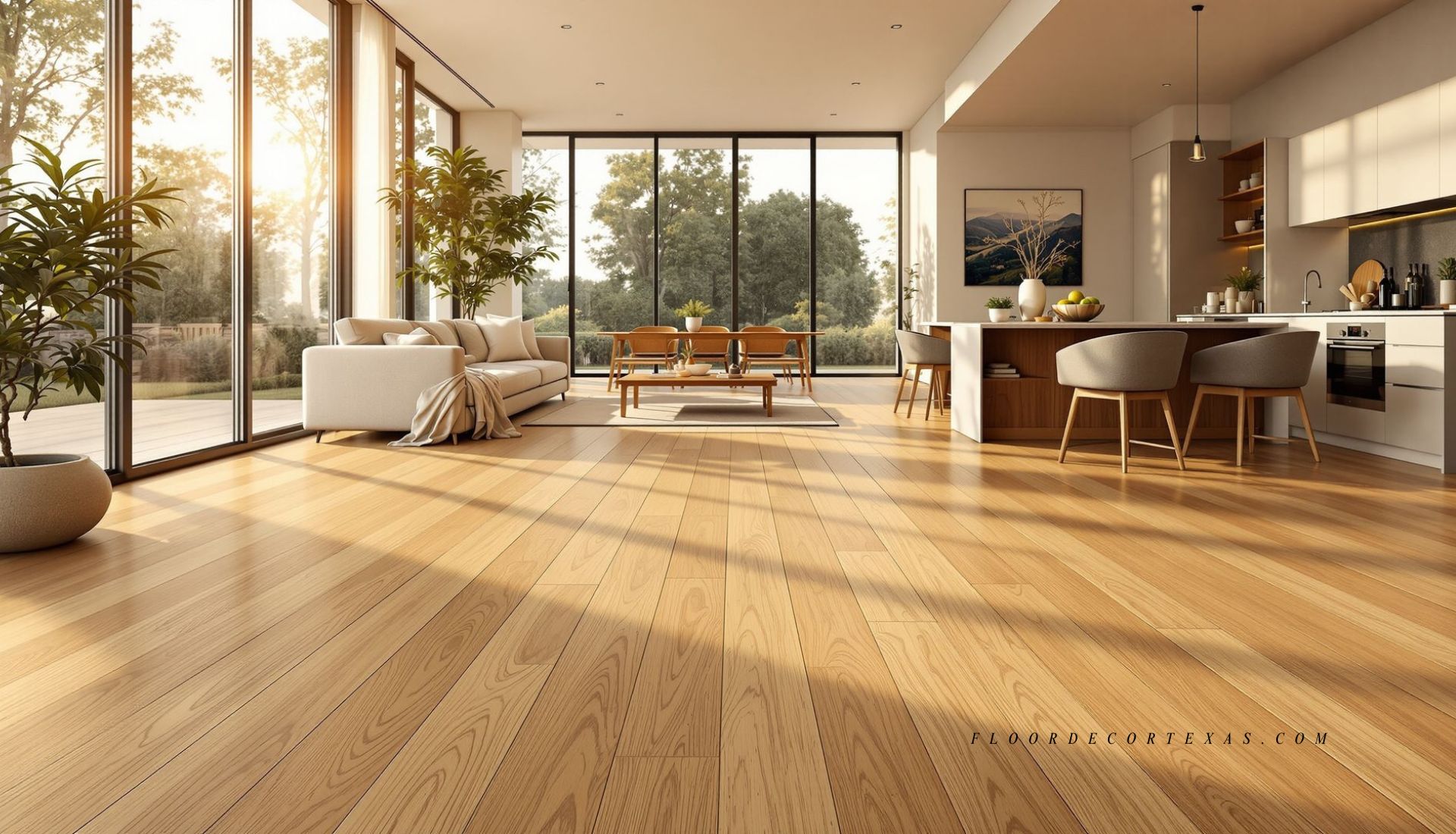
For a deeper dive into selection, installation, and upkeep of hardwood—and how they compare with other options—see our comprehensive Wood Floors: Choosing, Installing, and Maintaining guide. Choosing the right material is a critical step, similar to evaluating the tile flooring living room pros and cons before a renovation.
A single piece of wood that can be sanded and refinished multiple times over a century-long lifespan.
Multi-layer construction with a real wood veneer, designed for stability in moisture-prone areas.
Solid Hardwood vs. Engineered Wood: Which Is Better?
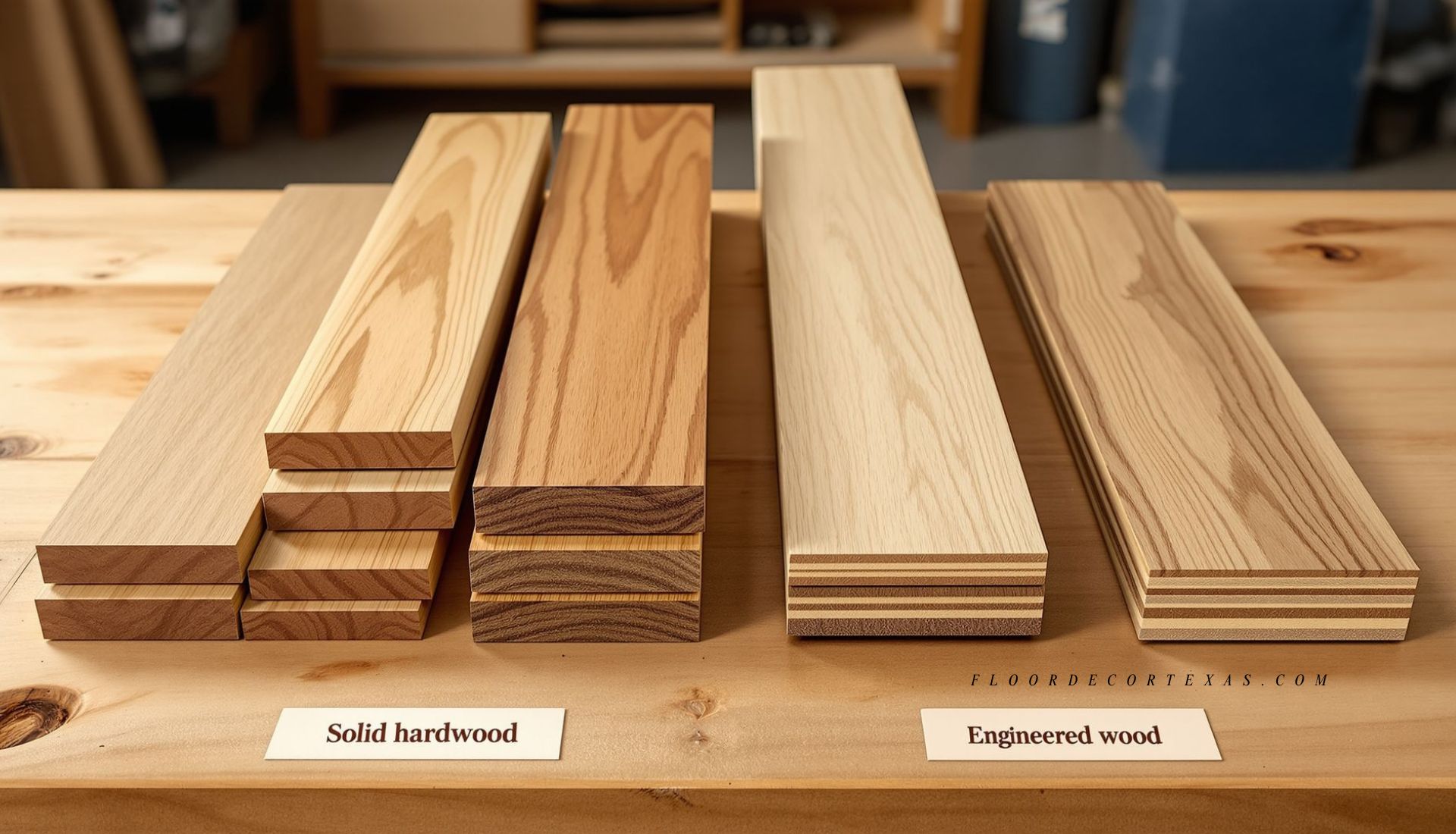
According to The Spruce, “engineered hardwood flooring is more water resistant than solid hardwood flooring but is not waterproof,” and it’s commonly more affordable with easier installation. Likewise, Real Simple highlights that engineered wood is cost-effective and moisture-tolerant—especially useful in areas prone to moisture like basements. While solid hardwood generally enjoys a longer lifespan, engineered wood performs better in humid or moisture-prone areas.
“Solid hardwood can last well over a century with proper care, while engineered flooring typically lasts between 30 and 50 years.”
— Better Homes & Gardens
Popular Wood Species for Flooring
The type of wood you choose greatly impacts the look, feel, and durability of your floors. Popular domestic hardwoods like oak, maple, and hickory offer strength and classic appeal. If you are working on a budget, you might also consider budget-friendly floor tile ideas that mimic the look of expensive wood species.
Installation and Long-Term Care
Whether you choose nail-down, glue-down, or floating methods, professional execution is vital. For long-term performance, follow the professional protocols from the National Wood Flooring Association (NWFA). Regular cleaning helps prevent scratches; be sure to use a vacuum without a beater bar to avoid damaging the finish of your wood floors.
Pro-Tip: Maintain consistent indoor humidity (30-50%) using humidifiers in winter and dehumidifiers in summer to prevent wood from warping or shrinking.
Environmental Impact and Sustainability
Choosing sustainable options reduces environmental impact. Look for Forest Stewardship Council (FSC) certified wood to ensure responsible harvesting. For more on green building materials, see our eco-friendly guide to choosing sustainable flooring options.
| Flooring Type | Avg. Lifespan | Refinish Potential |
|---|---|---|
| Solid Hardwood | 100+ Years | High (5-7 times) |
| Engineered Wood | 30–50 Years | Limited (1-2 times) |
Frequently Asked Questions
Can I install hardwood floors in a moisture-prone area?
Solid hardwood is not recommended for basements or bathrooms. Engineered wood is better, but you should verify if laminate or tile might be a safer choice for high-moisture zones.
How often should wood floors be refinished?
Typically, solid hardwood floors benefit from refinishing every 7–10 years to restore the protective finish and remove surface scratches.
Conclusion
Wood floors remain a popular choice due to their timeless appeal and durability. Whether you opt for solid hardwood or engineered wood, proper selection and maintenance are key to ensuring your floors remain beautiful for years to come. With sustainable options available, you can also make an environmentally responsible choice that supports the future of our planet.
Ready to Transform Your Home?
Get started today by contacting our flooring experts for a free consultation and discover the perfect wood flooring for your space!
