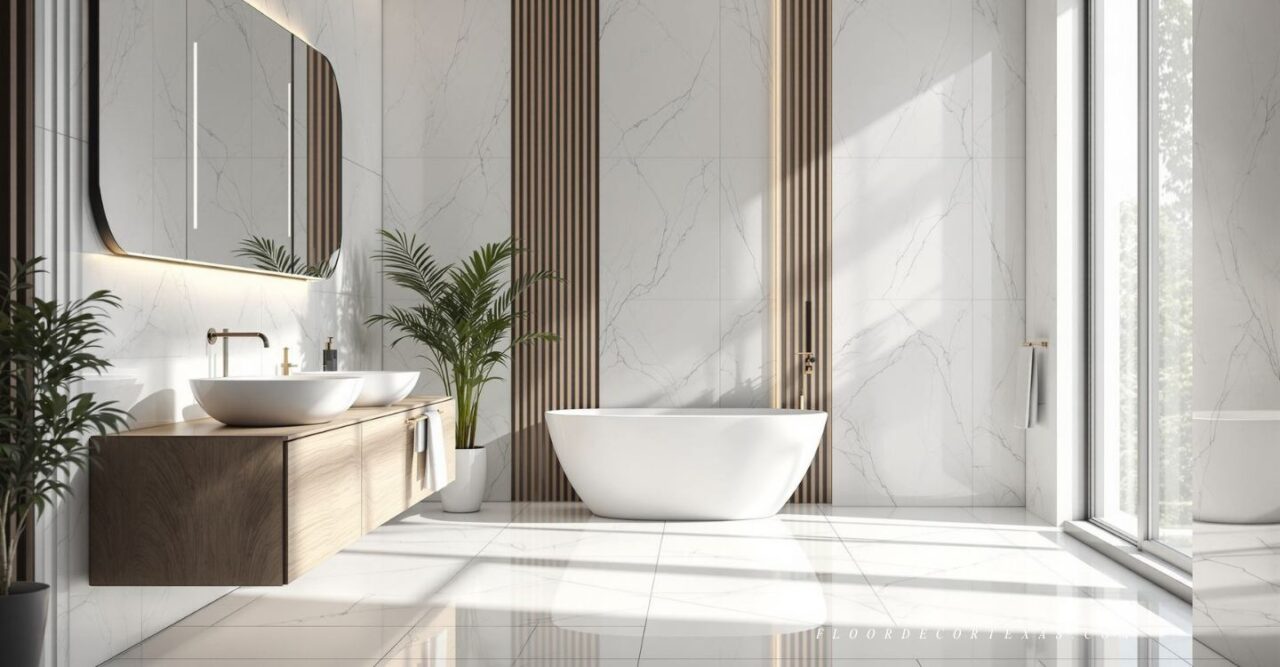
Have you ever walked into a small room and felt overwhelmed and closed in, almost as if the walls were inching closer? It’s not an uncommon sensation, but here’s the kicker—strategic tile design can completely transform that perception, making a small room feel spacious, airy, and welcoming. Forget drastic renovations or tearing down walls; the right tile design can be a game-changer in saving space and transforming your room’s visual dynamics. Let’s explore how thoughtfully chosen tile floors don’t just decorate your space but visually reshape it from the ground up.
The Magic of Light Reflection
One of the most powerful yet overlooked design tools is light reflection. Tiles naturally bounce light off their surfaces, helping compact rooms feel more open. That said, not all tile choices deliver the same impact. Selecting the right materials and layouts is essential.
Large-format tiles, for instance, reduce visual interruptions and can subtly stretch the appearance of a room. Pairing similar tones on both walls and floors enhances continuity, allowing the eye to move freely throughout the space. This approach works especially well in areas like kitchens and bathrooms, where reflective surfaces are already common—particularly when paired with professionally installed tile.
As interior designer Sarah Winston often notes, “Clean, simple lines in tile design naturally draw the eye outward, giving the illusion of more space.”
Patterns and Colors: Expanding Visual Boundaries
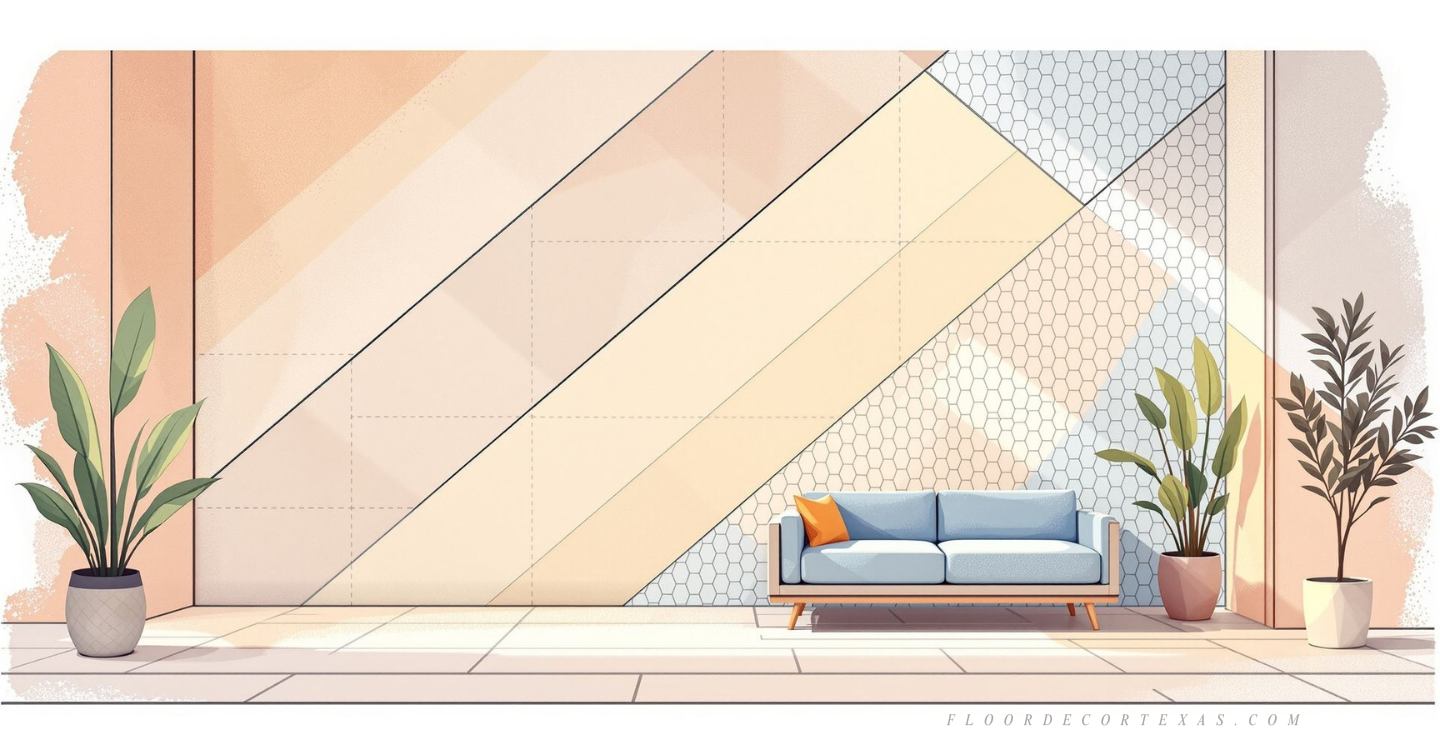
When the goal is to maximize a small room’s perceived size, pattern and color choices become critical. Lighter shades help bounce both natural and artificial light, creating a more breathable and open atmosphere. Beyond color, the way tiles are arranged can dramatically influence how large a space feels.
- Diagonal Patterns: Laying tiles diagonally leads the eye from corner to corner, visually widening the room and minimizing its boundaries.
- Mosaic Tiles: Intricate mosaic patterns can introduce depth when used sparingly, especially on feature walls in bathrooms or showers.
- Glossy Surfaces: Polished and glass tiles amplify light reflection, making them ideal for tight spaces that lack windows.
According to findings shared by the Institute of Interior Design, 73% of small room renovations prioritize tiles specifically for their ability to visually expand limited spaces. This reinforces just how effective tile selection can be when square footage is at a premium.
The Impact of Grout Lines
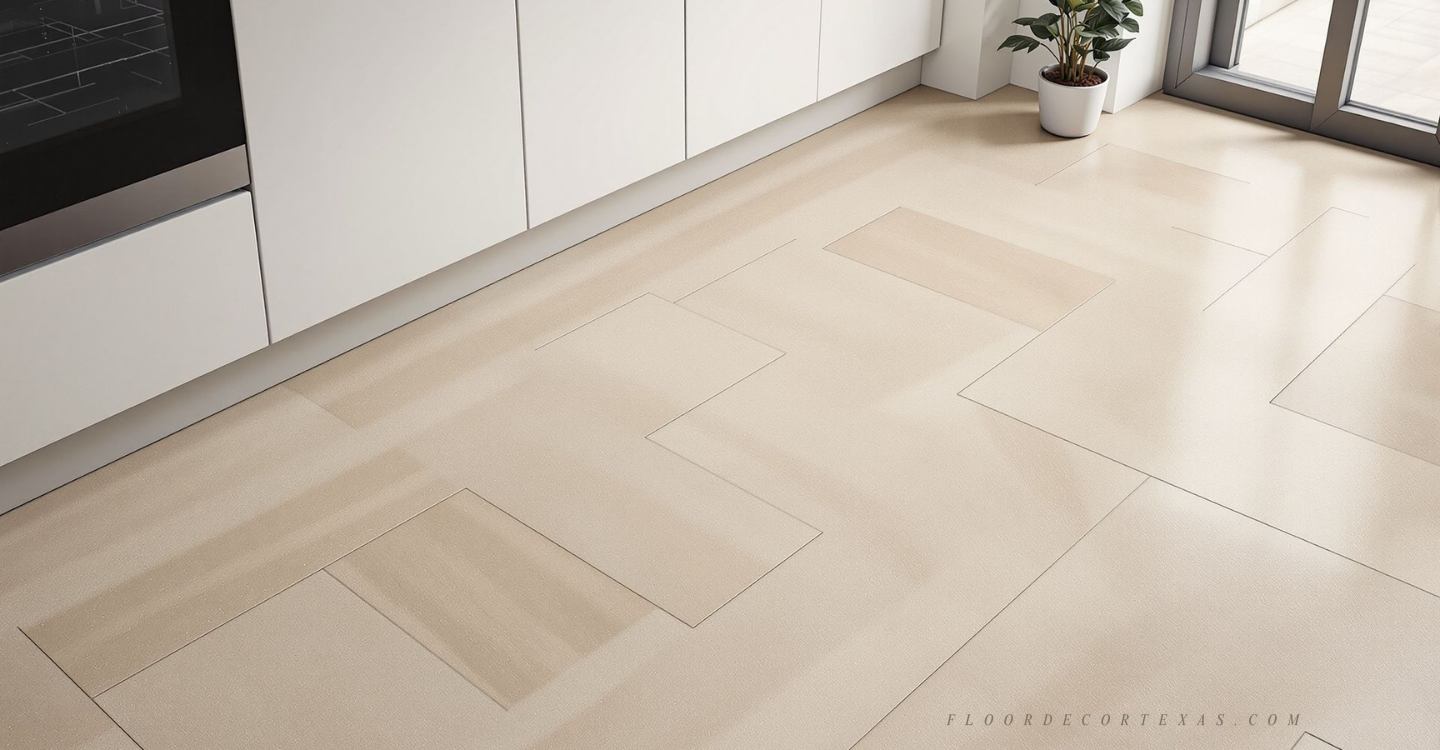
Grout lines may seem like a minor detail, but they play a major role in how spacious a room appears. Thick or highly contrasting grout can visually segment the floor, making a room feel smaller and busier. On the other hand, minimizing grout visibility creates a smooth, uninterrupted surface.
- Minimize Grout Contrast: Choose grout shades that closely match your tile color to maintain visual flow.
- Use Rectified Tiles: These precision-cut tiles allow for narrower grout joints, reducing visual breaks and promoting a seamless look.
This technique is commonly applied in modern kitchen remodeling projects where clean lines and openness are a priority.
Balancing Aesthetics and Practicality
While visual expansion is important, practicality should never be overlooked. Tile choices should suit the room’s function, lighting conditions, and daily wear. High-gloss tiles may enhance light, but they also require more maintenance in high-traffic areas.
Designer Ellie Parkins emphasizes this balance: “Always start by understanding the room’s natural light and existing color palette before selecting tiles.” This approach ensures that beauty and functionality work hand in hand.
Creating the illusion of space isn’t about relying on one technique alone. It’s the harmony of color, pattern, grout, and layout that truly transforms a room. With thoughtful planning, even the smallest space can feel intentional, open, and inviting.
Key Takeaways
Making a small room feel larger doesn’t require knocking down walls or investing in major structural changes. Strategic tile selection—through light colors, smart patterns, and minimal grout—can dramatically change how a space is perceived. When done right, every inch feels purposeful and visually expansive.
FAQs
What tile color makes a small room look bigger?
Light tile colors such as whites, creams, and soft pastels help reflect light and create an airy atmosphere, making small rooms feel more spacious.
Are larger or smaller tiles better for small rooms?
Larger tiles are generally better for compact spaces because they reduce the number of grout lines, minimizing visual clutter and enhancing openness.
Can tile patterns help in making a room look larger?
Yes. Diagonal layouts, consistent color palettes, and seamless tile transitions can guide the eye outward, reducing the feeling of confinement.
