Choosing the right floor tile color to complement your interior style is an art form that blends aesthetics with everyday functionality. The color beneath your feet does far more than fill space—it shapes mood, influences light, and defines how elegant, warm, or spacious a room feels.
This often-overlooked design choice can either unify a room beautifully or disrupt its harmony entirely. Whether you’re planning a full renovation or refreshing a single area, selecting the ideal tile color to suit your interior style can feel overwhelming—but it’s also one of the most impactful decisions you’ll make.
Let’s explore this creative process together and uncover how thoughtful tile color choices can elevate your living spaces with confidence.
Understanding your interior style is the foundation of making smart tile decisions. Whether your home leans modern, embraces traditional charm, or highlights rustic character, aligning your floor tiles with your overall design aesthetic is essential for visual cohesion. Tiles are not just a background feature—they’re a core design element that anchors the entire space.
Interior designer Mary Smith once noted, “Flooring is the canvas of our living spaces; it sets the stage for design.” That sentiment rings true when you consider how much surface area flooring occupies and how strongly it influences first impressions.
Identifying your interior style takes thoughtful observation. Look closely at existing color palettes, textures, materials, and the atmosphere you want to cultivate. Once your style is clear, you can confidently apply those preferences when choosing floor tile colors:
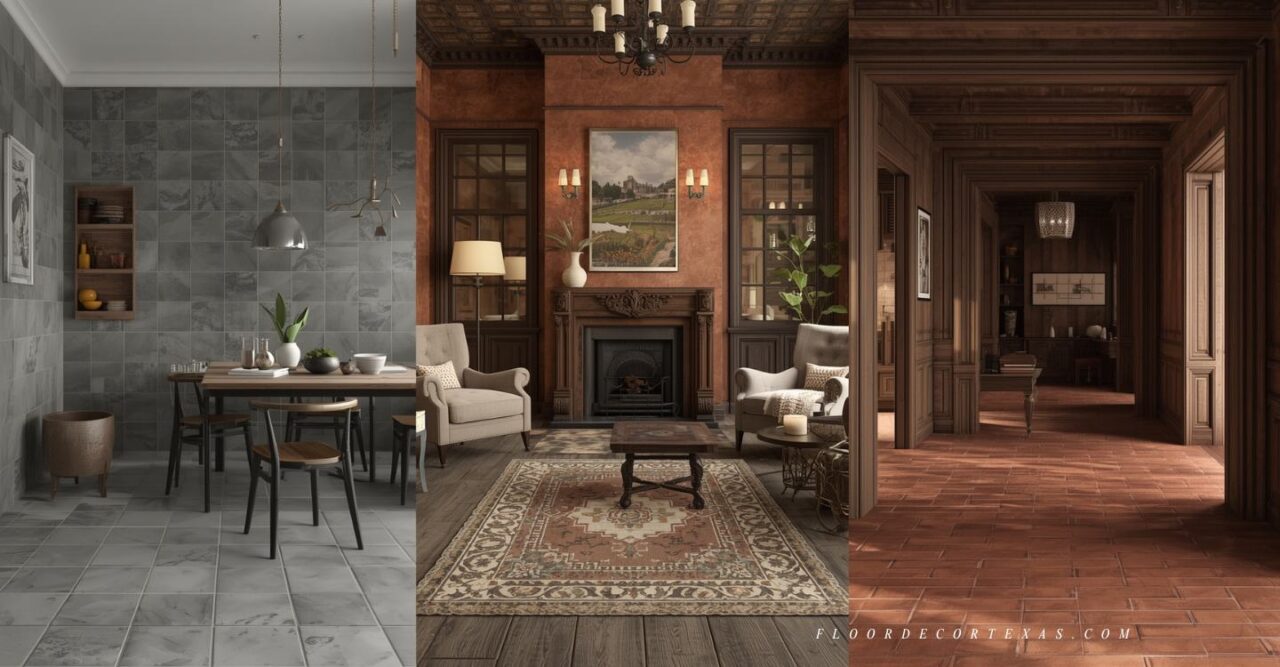
- Modern style: Clean, neutral tones with sleek finishes work best. Whites, greys, and blacks help create an open, contemporary feel.
- Traditional style: Warm, rich colors such as browns, beiges, and deep reds reinforce classic elegance.
- Rustic style: Earth-inspired shades like terracotta, muted greens, and natural stone tones pair beautifully with wood and textured materials.
Once your interior style is defined, the next step is understanding how tile color interacts with your existing décor. It’s not simply about matching hues—light reflection, furniture finishes, and surface textures all influence how a tile color appears in the room. A thoughtfully selected tile color enhances furnishings, while a poor choice can make the space feel disjointed.
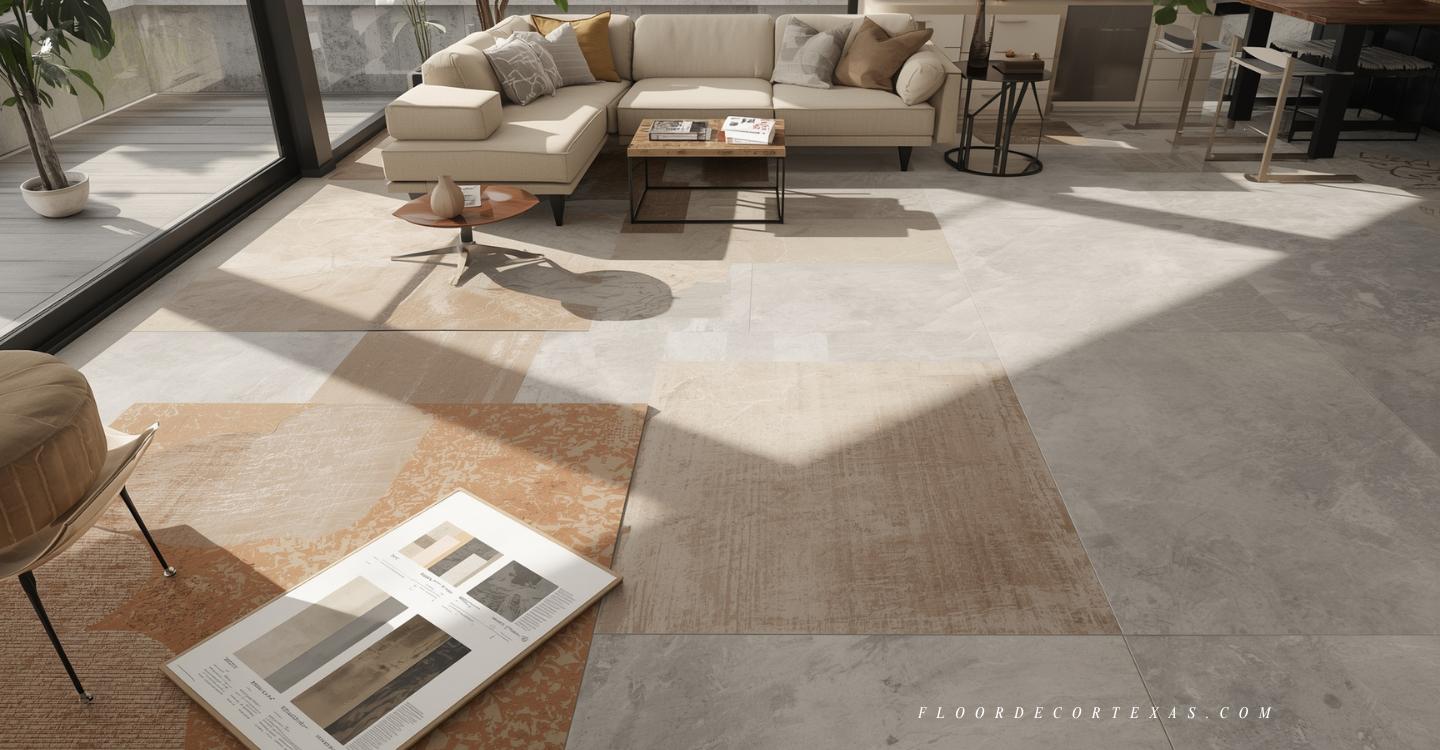
Several practical factors also affect which tile color will perform best. Natural lighting conditions, room size, and furniture placement all play important roles. Creating a mood board with fabric swatches, furniture images, and color samples can help visualize how everything will work together.
- Lighting impact: Spaces with abundant natural light can support darker tile colors without feeling heavy, while low-light rooms benefit from lighter shades that enhance brightness.
- Room size: Lighter tiles visually expand smaller rooms, whereas darker tones help large areas feel more intimate and grounded.
- Existing furniture: Tile color should complement furniture finishes to maintain balance and visual flow.
Color psychology offers another valuable layer of insight. Research in environmental psychology shows that colors can significantly influence mood and perception. According to the American Psychological Association, color in our surroundings can shape emotional responses and impressions, making it a powerful design tool.
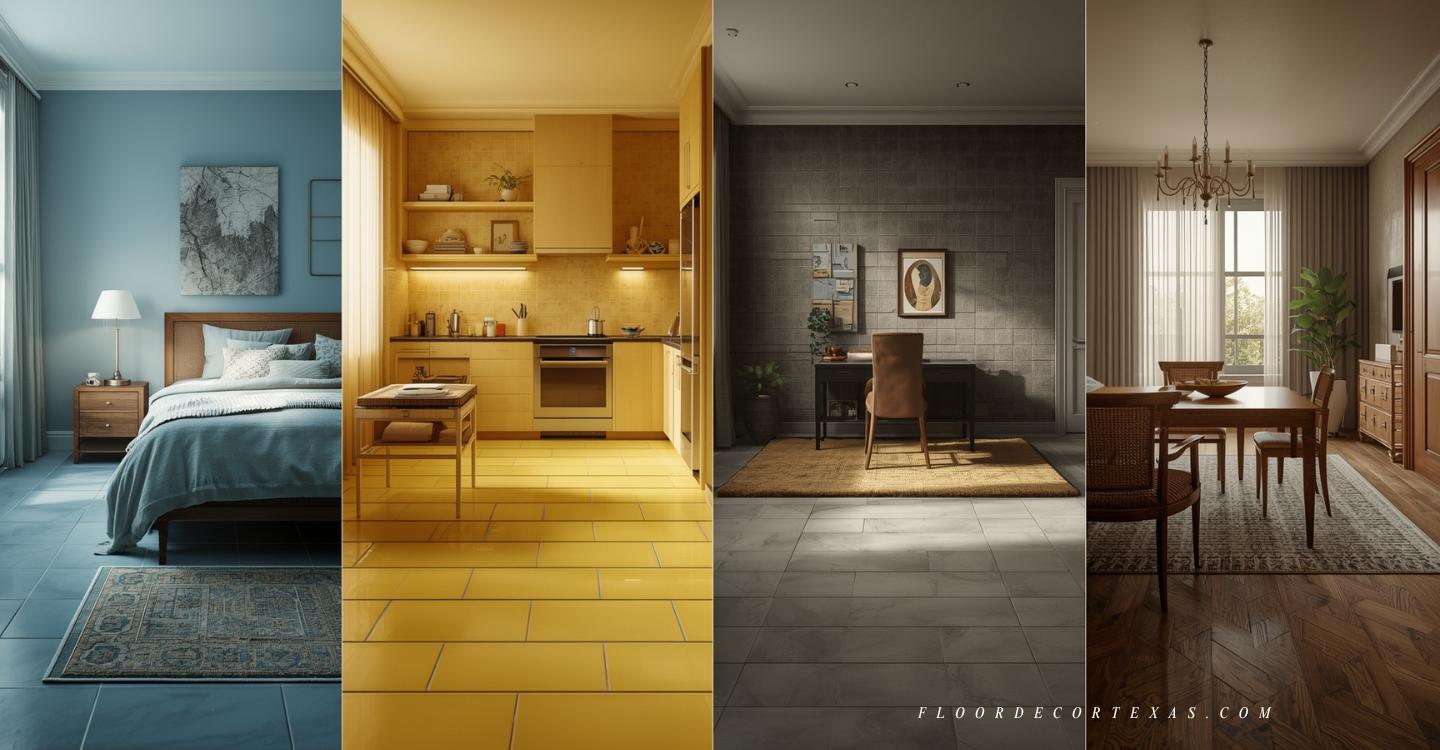
For example, blues often evoke calm and relaxation, making them ideal for bathrooms and bedrooms. Yellows, on the other hand, can energize a space—perfect for kitchens or dining areas where activity and conversation thrive.
To better understand how tile colors influence emotion and functionality, the table below highlights common associations:
| Tile Color | Common Associations | Ideal Spaces |
|---|---|---|
| Blue | Calming, soothing | Bathrooms, bedrooms |
| Yellow | Energetic, cheerful | Kitchens, dining areas |
| Grey | Neutral, sophisticated | Living rooms, office spaces |
| Brown | Warm, inviting | Family rooms, entryways |
For a cohesive result, your layout and color theme should reflect personal preferences while honoring these design principles. Ultimately, the goal of your flooring choice is to enhance your interior style and seamlessly connect all visual elements within your home.
In closing, selecting the perfect floor tile color is far more than a finishing touch—it’s a foundational design decision that shapes the character of your home. By understanding your style, considering light and décor, and appreciating the emotional impact of color, you can make confident choices that elevate your space and reflect your personality.
FAQs
How do I choose a tile color for a small room?
Choosing lighter-colored tiles can make a small room feel larger and more open. Shades like white, light grey, and soft pastels reflect light effectively, helping reduce visual confinement.
Can tile color impact room warmth or coolness?
Yes, tile color strongly affects perceived temperature. Warm hues such as beige and terracotta create a cozy atmosphere, while cooler tones like blue and grey offer a refreshing, calming feel.
