
How do you properly care for tile and stone floors?
To properly care for tile and stone floors, perform daily sweeping to remove abrasive grit, use pH-neutral cleaners specifically formulated for your material (ceramic, porcelain, or natural stone), and manage spills immediately. Natural stone requires periodic sealing every 1–3 years to prevent deep staining and moisture damage, ensuring a lifespan of 50+ years.
Did you know that tile and stone floors rank among the most durable and versatile flooring options available? As stunning classics, they’re not just floor coverings—they’re an investment in your home’s longevity, offering both elegance and resilience. Yet, like any prestigious asset, they command a keen eye and gentle touch to maintain their beauty. A wise homeowner understands that the right care can enhance both the lifespan and appeal of these floors. Are you giving them the exceptional care they deserve, or is it time to elevate your routine? Let me guide you through expert tips and techniques to ensure your tile and stone floors remain the crown jewels of your home.
High-density clay tiles that are moisture-resistant and easily maintained with mild detergents.
Essential cleaning agents for natural stone to prevent etching caused by acidic or alkaline chemicals.
A protective barrier applied to porous stones like slate and limestone to repel oil and water-based stains.
The filler between tiles that requires specific inspection for cracks to prevent subfloor water damage.
Understanding the Material: The First Step to Proper Care
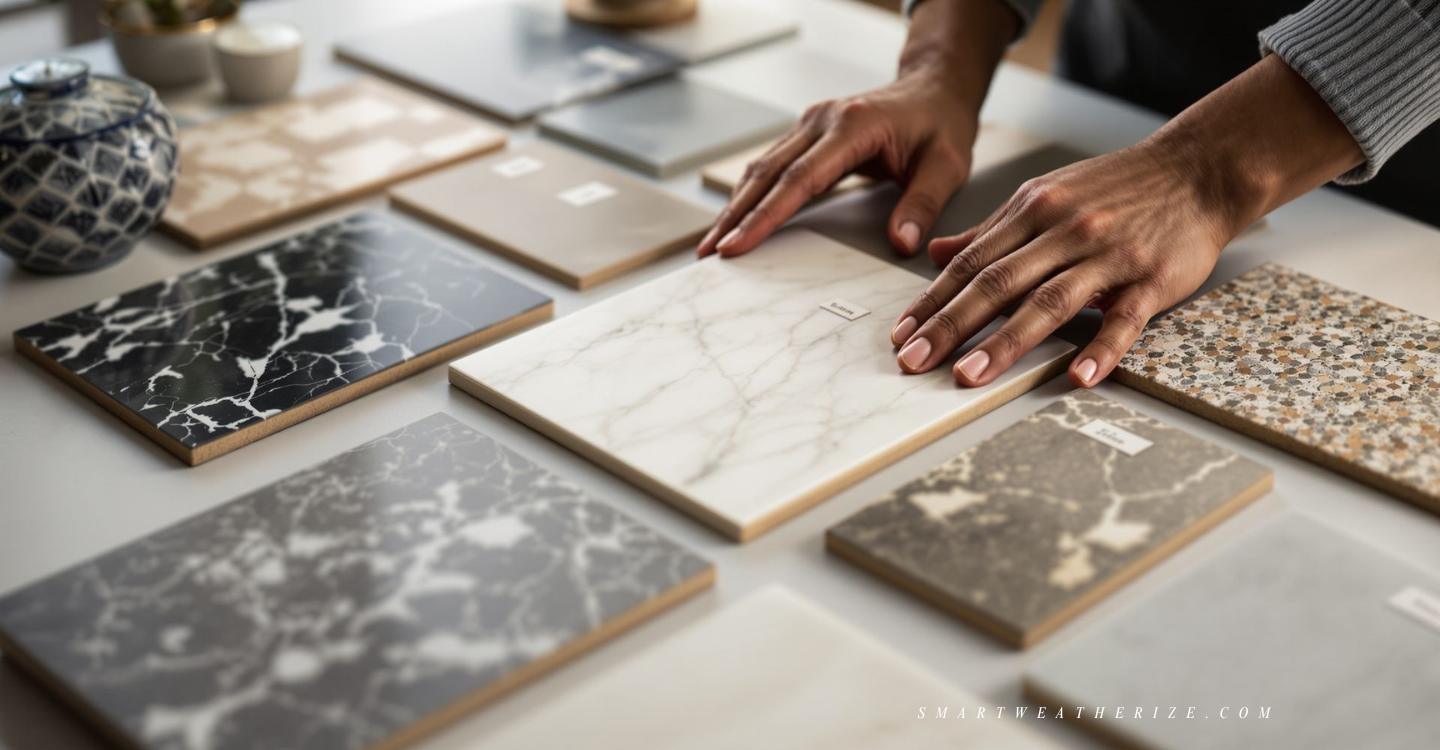
Every floor tells a story through its material composition, and understanding this narrative is key to its care. Tile and stone floors can be composed of ceramic, porcelain, marble, or granite, each requiring distinct maintenance strategies. This fundamental knowledge empowers and enlivens your cleaning approach.
- Ceramic and Porcelain: Among the most common tile materials. Durable and easy to maintain with regular sweeping and mopping using a mild detergent.
- Marble and Granite: Require a more delicate approach. Always use pH-neutral cleaners, avoiding anything acidic to prevent etching or damage.
- Slate and Limestone: With their rugged yet refined appeal, these stones need regular sealing to prevent staining. Use stone-specific cleaners for best results.
“When you understand the unique properties of each stone, you can tailor your care to bring out its innate beauty and strength.”
— Emily Joyce, Stone Restoration Expert
Best Practices for Cleaning and Maintenance
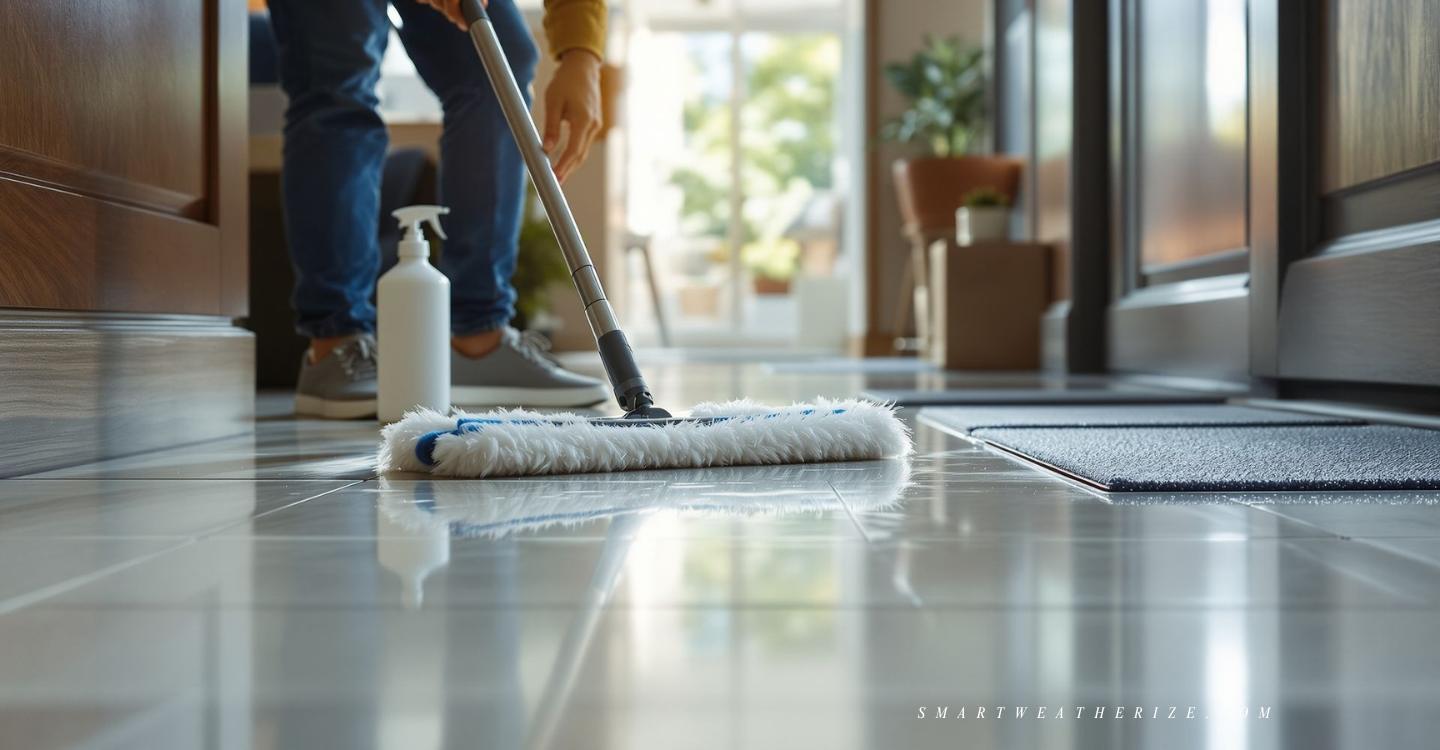
Proper maintenance goes beyond routine cleaning; it’s about preserving the pristine condition of your floors. Incorporating these practices will ensure their longevity and splendor. Regular care not only enhances the look but also prevents costly repairs in the future. If you are specifically interested in stone tile flooring, options like marble and slate bring distinct aesthetics to your home.
- Regular Sweeping and Vacuuming: Dust and debris can scratch surfaces. Use a soft broom or a vacuum with a floor attachment.
- Prompt Spill Management: Wipe spills immediately with a soft cloth and mild soap to prevent stains.
- Scheduled Deep Cleaning: Hire professionals annually to address grout lines and built-up dirt in crevices.
Protective Measures: Guarding Your Investment
Tile and stone floors are robust, but preventive measures extend their lifespan. Prevention is more effective than repair, and small steps make a big difference. For those looking for long-term style, it is helpful to look at timeless tile patterns that endure through trends.
- Rugs and Mats: Place in high-traffic zones. Choose non-rubber-backed mats to prevent discoloration.
- Furniture Pads: Protect floors from scratches. Inspect and replace pads regularly.
- Sealing: Periodic sealing of natural stone adds stain resistance and freshness. Consider guidance from the Natural Stone Institute on proper sealant use for stone floors.
“Maintenance isn’t just a task; it’s a form of respect for the craftsmanship embedded in every tile and stone.”
— John Earle, CEO of TechTile
Inspecting for Damage: Spotting Wear and Tear
Early detection of wear and tear can prevent larger, more costly issues. Regular inspections ensure your floors stay in peak condition. As a homeowner, you should consider if tile flooring in the living room is the best fit for your specific traffic patterns.
- Visual Checks: Look for cracks or chips after heavy use and call professionals if needed.
- Grout Assessment: Check for discoloration or missing grout, which can lead to water damage.
- Surface Level: Uneven tiles may signal subfloor issues that need prompt repair.
Statistical Insight: The Economic Impact of Regular Maintenance
Pro-Tip: Regular maintenance doesn’t just preserve beauty—it saves thousands in replacement costs by extending the life of your floors.
| Maintenance Level | Average Lifespan (Years) | Cost Over 20 Years ($) |
|---|---|---|
| High | 50+ | 5,000 |
| Moderate | 30–40 | 10,000 |
| Low | 10–20 | 20,000 |
Frequently Asked Questions About Tile and Stone Care
How often should I seal natural stone?
Generally, natural stone should be sealed every 1–3 years, depending on traffic and the porosity of the stone. Kitchens usually require more frequent sealing.
Can I use household bleach on tile grout?
Avoid harsh chemicals like bleach as they can weaken grout and strip away sealants. Use cleaners specifically designed for grout to maintain integrity.
What is the best way to clean marble floors?
Always use a pH-neutral cleaner and a soft microfiber mop. Avoid acidic substances like vinegar or lemon juice at all costs.
Conclusion
Whether you’re maintaining ceramic, porcelain, or natural stone, understanding materials and proper care routines lets you enjoy floors that look great and last for generations. For more advice on high-quality flooring choices, explore the sustainable flooring guide to find options that align with your lifestyle.
Preserve Your Home’s Beauty Today
Floor Decor Texas helps homeowners choose, plan, and protect tile that lasts.
