

Quick Answer
What is the safest way to clean marble floors?
Clean marble floors by removing abrasive grit, damp mopping with a neutral stone cleaner at the labeled dilution, rinsing when directed, and drying with a soft cloth or mop. Avoid vinegar, lemon, acidic bathroom cleaners, abrasive powders, and rough pads. Blot spills promptly because marble can stain, and acidic liquids can cause permanent etching.
Explore Marble Floor CareHow to Clean Marble Floors by Understanding the Stone
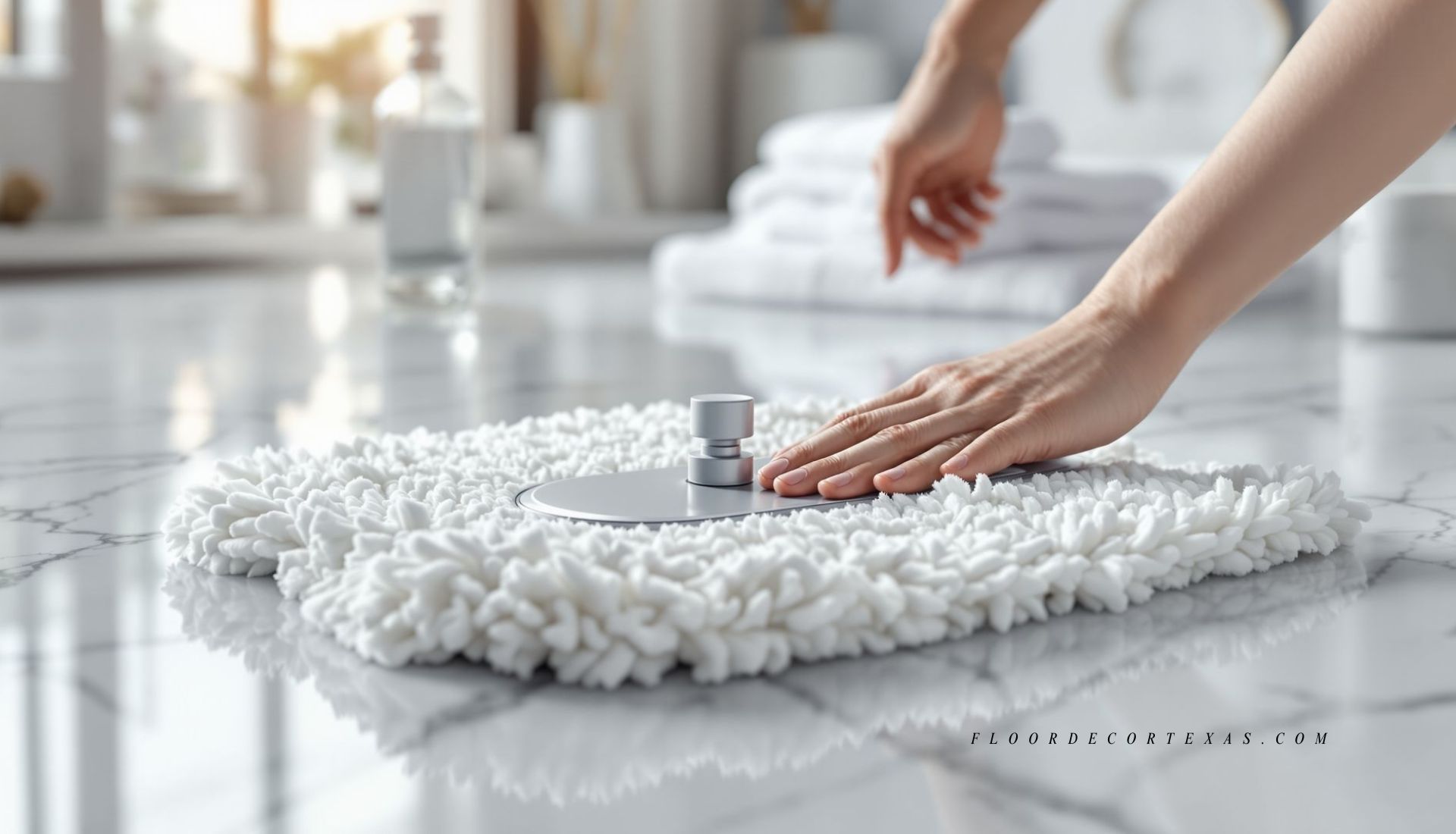
Marble is a calcium-based natural stone. Common household acids can react with its surface and leave dull, rough, or pale areas called etches. Etching is physical surface damage, not ordinary dirt, and it cannot be removed by applying more cleaner. Polished marble makes etching especially visible because the damaged area no longer reflects light like the surrounding finish.
A sealer does not prevent acid etching. When appropriate for the specific marble, an impregnating treatment can improve resistance to staining by slowing the absorption of some liquids. It does not make marble stain proof, scratch proof, waterproof, or maintenance free.
Before cleaning, identify the stone and finish. Marble may be polished, honed, brushed, tumbled, or treated with another finish. The supplier or installer should provide the material name, maintenance instructions, and information about any sealer or topical treatment already present.
Homeowners comparing care requirements can review the Floor Decor Texas guides to natural stone floors, tile floors, and tile and stone floor care.
How to Clean Marble Floors Entity Map
Natural Stone Institute
The Natural Stone Institute publishes consumer guidance covering stone cleaning, acids, abrasives, spills, stains, and sealing.
Tile Council of North America
The Tile Council of North America provides technical information for ceramic, glass, and natural stone tile installations.
U.S. Environmental Protection Agency
The U.S. Environmental Protection Agency Safer Choice program maintains a searchable list of certified cleaning products.
American National Standards Institute
The American National Standards Institute coordinates voluntary consensus standards used in flooring and walkway evaluation.
National Tile Contractors Association
The National Tile Contractors Association offers technical education for tile and stone installation professionals.
Ceramic Tile Education Foundation
The Ceramic Tile Education Foundation administers installer education and certification programs.
How to Clean Marble Floors Step by Step
Gather suitable tools
Use a clean, untreated microfiber dust mop or soft broom, a bucket, a clean microfiber damp mop, soft towels, and a neutral cleaner approved for marble. Follow the cleaner label and the stone supplier instructions. Do not assume that a cleaner is suitable merely because it is marketed as natural, multipurpose, or safe for floors.
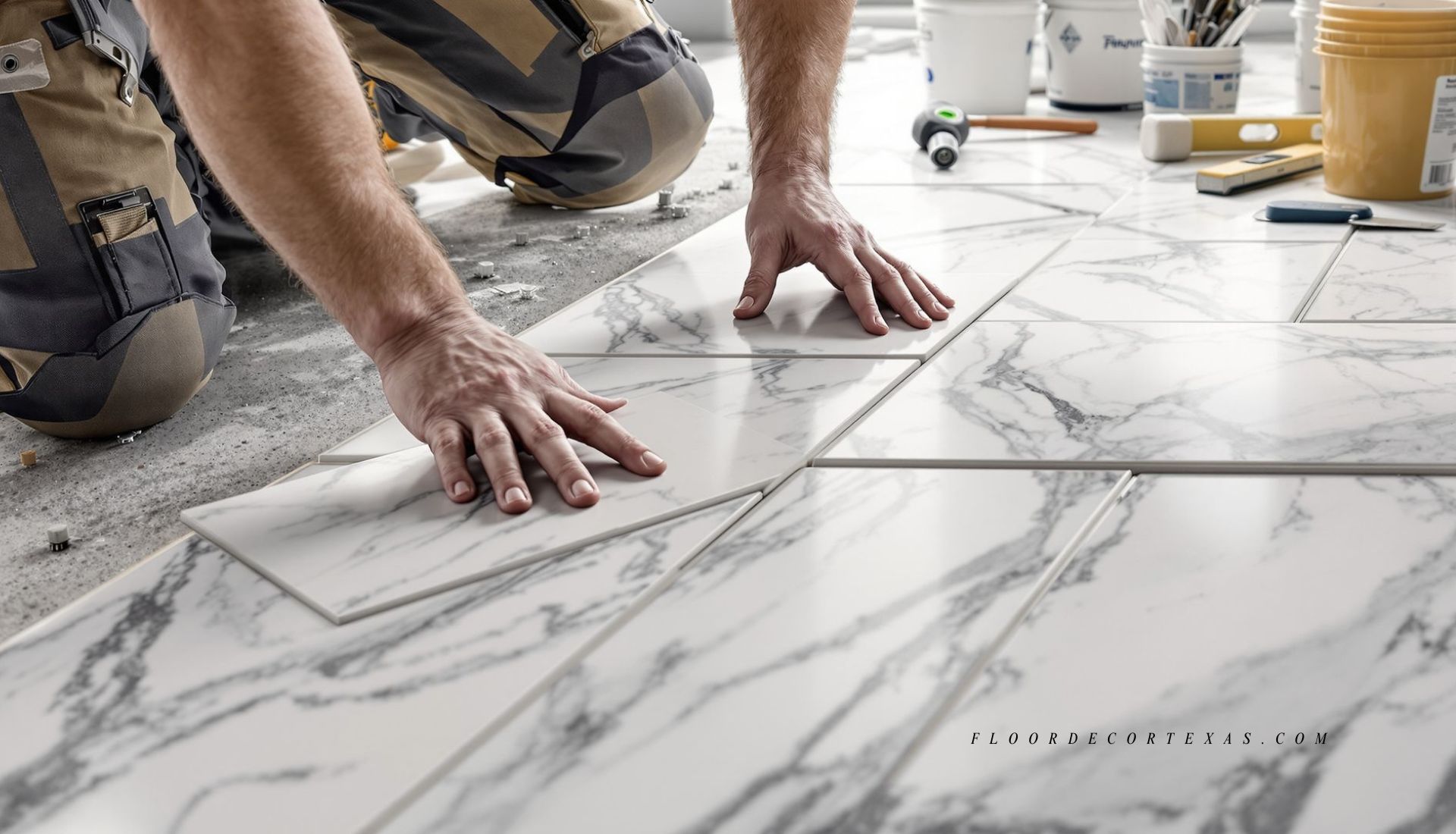
Follow the five-step routine
- Remove dry grit. Dust mop or vacuum with a hard-floor setting. Check wheels and attachments for worn parts that could scratch the marble.
- Prepare the cleaner. Dilute the neutral stone cleaner exactly as directed. Excess concentrate can leave residue or streaks.
- Damp mop in sections. Use a clean, well-wrung mop. Avoid flooding the floor or allowing dirty solution to remain on the surface.
- Rinse when directed. Use clean water and change it as it becomes dirty. Follow the cleaner label rather than assuming every formula is rinse free.
- Dry the surface. Use a soft towel or dry microfiber mop to limit water spots and reveal remaining residue.
5 steps
Remove grit, dilute correctly, damp mop, rinse when directed, and dry with a soft material.
Avoid incompatible cleaners and tools
Acids react with calcium-based marble and can permanently etch the finish.
Scouring powders, creams, and rough pads can scratch or alter the surface.
Some rust removers contain chemicals capable of attacking natural stone.
Combining bleach with ammonia can create dangerous gas.
How to Clean Marble Floors After Spills and Stains
Respond to fresh spills
Blot a spill promptly with a clean white cloth or paper towel. Do not wipe it across the floor. Flush and clean the area with water and a compatible neutral cleaner, then rinse and dry as directed. Acidic beverages, citrus, vinegar, tomato products, and some personal-care products can etch marble even when removed quickly.
For pet accidents, blot the liquid and clean with a product approved for marble. Do not apply vinegar or automatically use ammonia. The appropriate treatment depends on the stone, finish, contamination, and products already present on the floor.
Identify stains before using a poultice
Oil, organic material, metal, ink, paint, and biological contamination create different problems. A stone poultice must use chemistry appropriate for the identified stain and marble. Test the treatment in an inconspicuous location and follow the product directions. Deep, widespread, or unidentified discoloration should be evaluated by a qualified stone professional.
Distinguish staining from etching
A stain changes the stones color because material has entered its pores. An etch changes the surface texture or reflectivity through a chemical reaction. A stronger cleaner cannot wash away an etch. Polished marble may require professional refinishing to restore an even sheen.
Pro Tip from the Editorial Team: Photograph the affected area in normal and angled light before treating it. Record what contacted the floor and which products were previously applied. This information can help distinguish residue, staining, scratching, and etching.
Need Help with a Marble Floor Problem?
Ask for material-specific guidance before applying a stronger cleaner, poultice, polish, or sealer.
Discuss Your Marble FloorHow to Clean Marble Floors with Suitable Products and Tools
The following products appeared in the original article. Their inclusion is not a universal safety guarantee or professional endorsement. Confirm compatibility with the exact marble, finish, sealer, and manufacturer instructions. Product availability and specifications can change.
Affiliate disclosure: Some product links may be affiliate links. Floor Decor Texas may receive compensation from qualifying purchases at no added cost to the buyer.
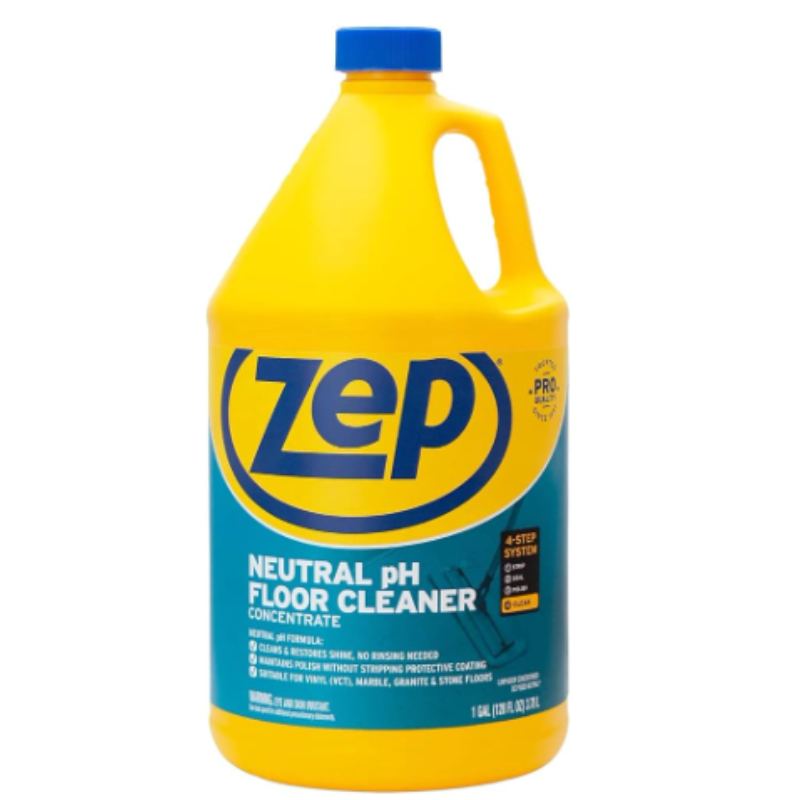
Zep Neutral pH Floor Cleaner
A concentrated neutral floor cleaner whose manufacturer lists marble and natural stone among its approved water-friendly surfaces. Dilute and test as directed.
Check Product Details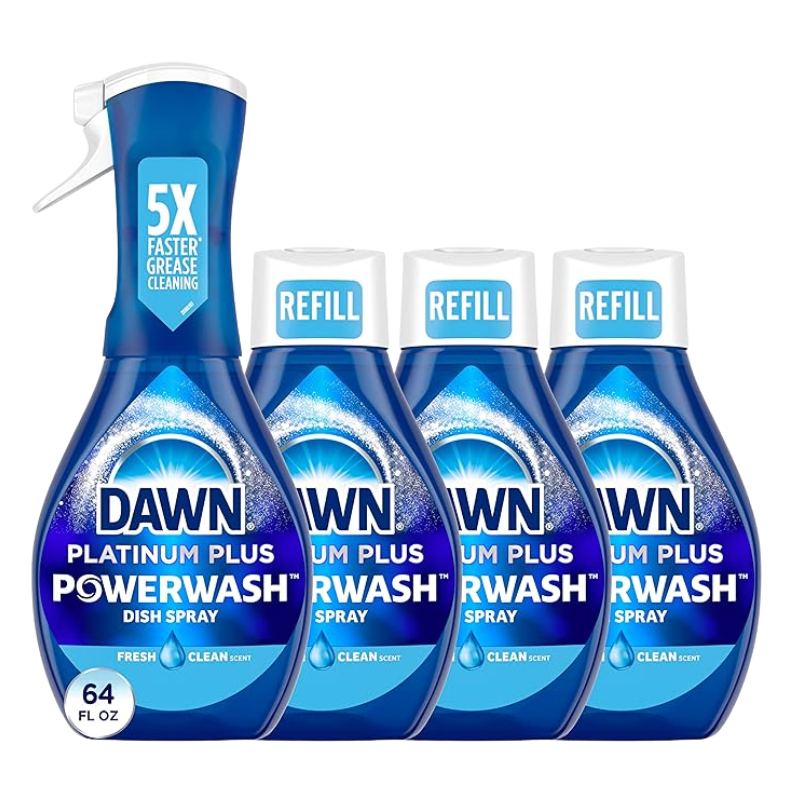
Dawn Platinum Powerwash
A spray dish-cleaning product. Do not assume it is appropriate for routine marble-floor care. Confirm compatibility and test before any limited use.
Review Before Using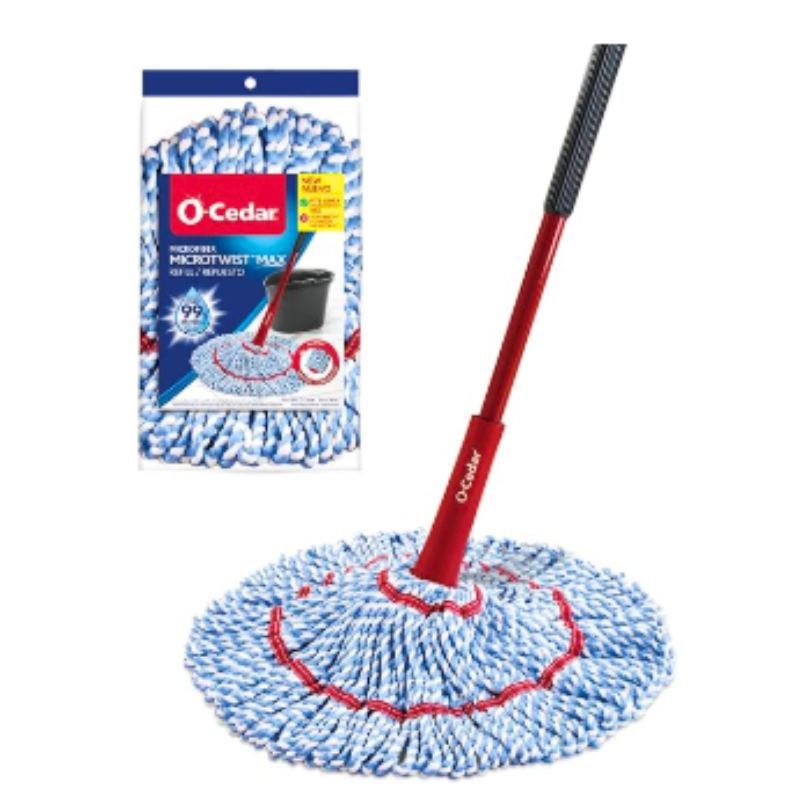
O-Cedar MicroTwist Mop
A microfiber twist-mop format with a wringing mechanism. Keep the head clean and well wrung so dirty solution is not spread across the floor.
View Mop Details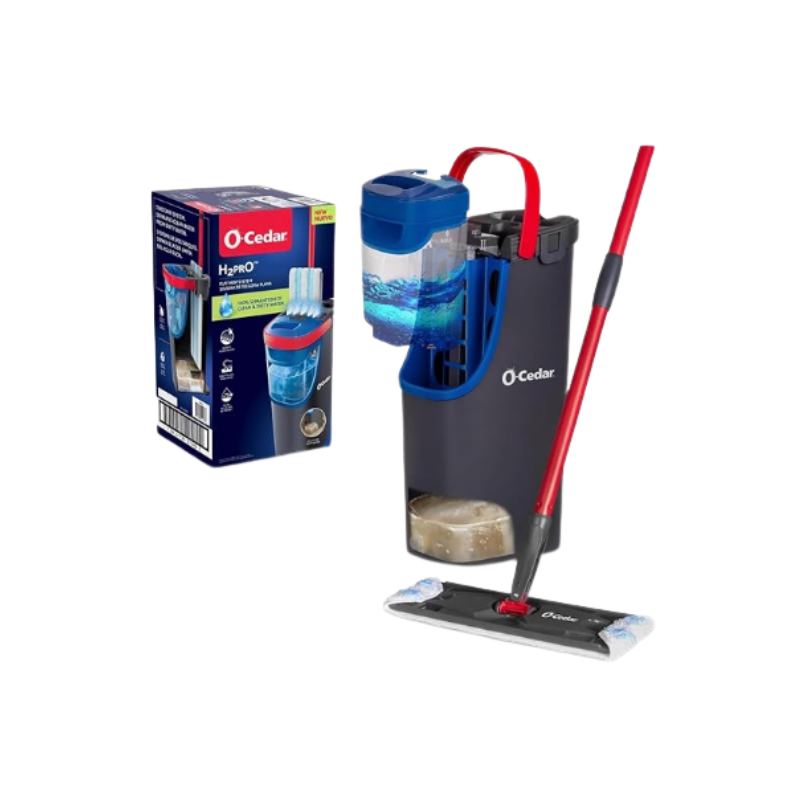
O-Cedar H2prO Flat Mop
A flat-mop system designed to separate clean and used water. Use clean microfiber pads and only marble-compatible cleaning solution.
View System Details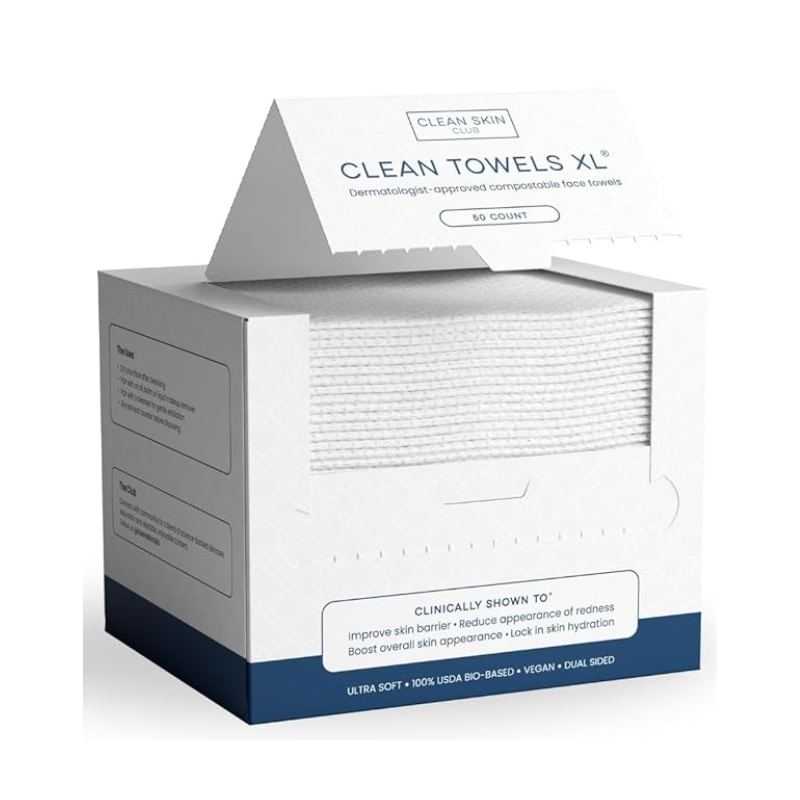
Clean Towels XL
Disposable towels that may be used for blotting or drying. Test for lint, color transfer, texture, and compatibility before use on polished stone.
Check Towel Details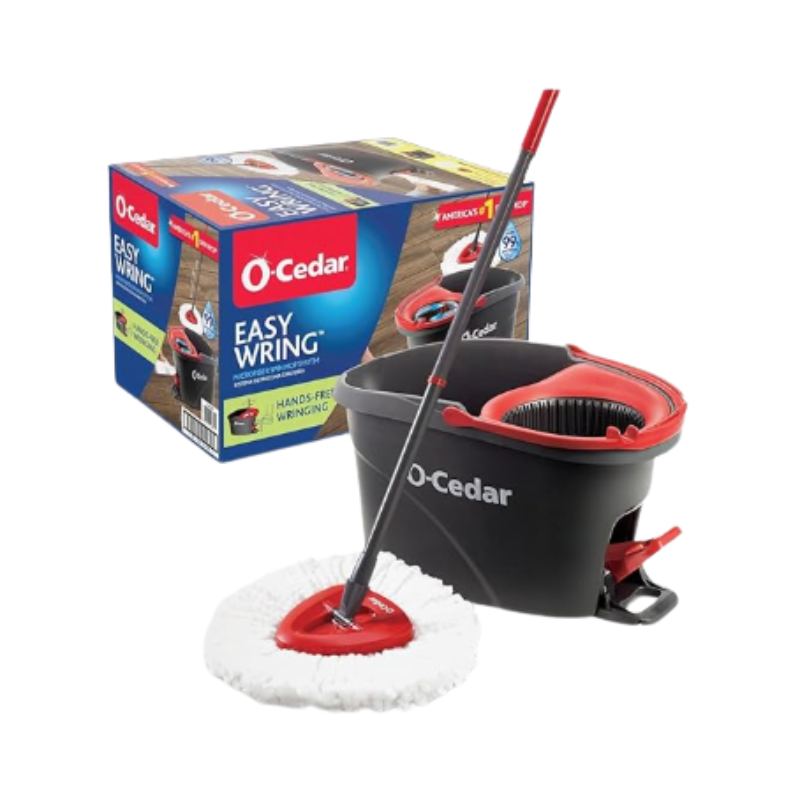
O-Cedar EasyWring Mop
A microfiber spin-mop system with a foot-operated wringer. Use a clean head and avoid leaving excessive water on marble.
View Spin Mop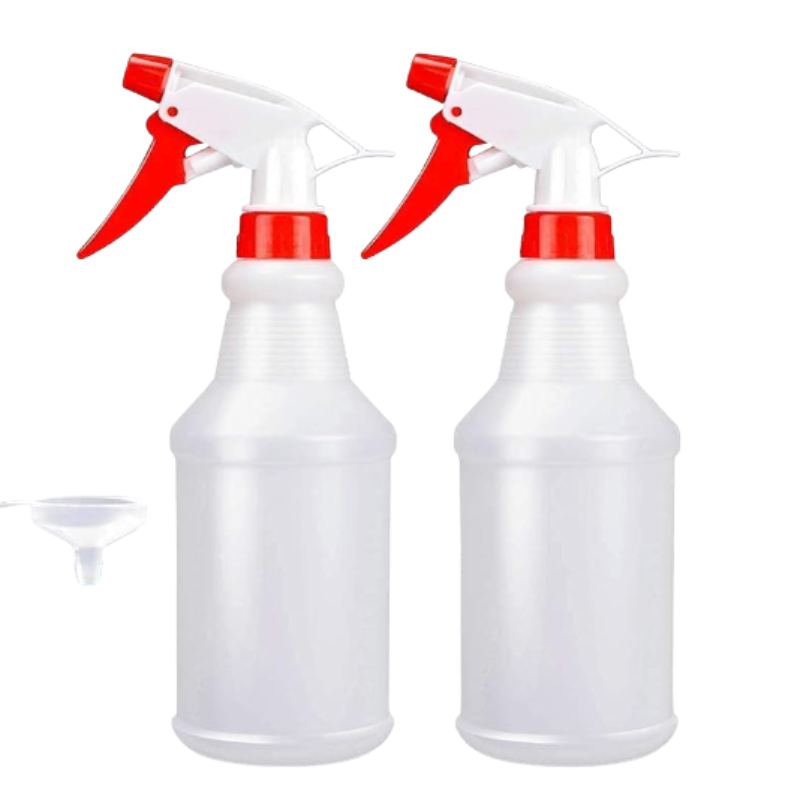
JohnBee Spray Bottles
Refillable HDPE bottles with an adjustable sprayer. Label every mixture clearly and never reuse a container that held incompatible chemicals.
View Bottle Details
Shark VACMOP Pro
A cordless hard-floor vacuum and spray-mop system using disposable pads. Confirm the cleaning solution is suitable for the sealed marble installation.
View VACMOP DetailsAdjust care for polished and honed marble

Polished marble reflects light and can make scratches, residue, and etching more visible. Honed marble has lower reflectivity and may make ordinary wear less conspicuous. Neither finish automatically determines porosity, sealing frequency, or wet slip safety. Base those decisions on the exact stone, finish, use, testing, and product guidance.

Cleaning frequency should follow traffic and soil conditions. Entryways may need daily dust mopping, while a quiet room may need less. Homes with pets or children benefit from frequent spill checks, compatible entry mats, and clean floor protectors beneath furniture. Avoid rigid schedules that require unnecessary wet cleaning or automatic resealing.

How to Clean Marble Floors Comparison Table
| Cleaning Decision | Recommended Approach | Avoid |
|---|---|---|
| Dry soil | Clean untreated dust mop or suitable hard-floor vacuum | Worn attachments and aggressive brush rolls |
| Routine mopping | Neutral marble-compatible cleaner at labeled dilution | Vinegar, citrus, abrasive powder, and excess concentrate |
| Fresh spill | Blot, clean gently, rinse when directed, and dry | Wiping the liquid across a larger area |
| Unknown stain | Identify the stain and test a compatible treatment | Random chemical combinations or unapproved poultices |
| Dull etched area | Obtain a professional surface evaluation | Applying stronger cleaner or household acid |
How to Clean Marble Floors Frequently Asked Questions
What is the best cleaner for marble floors?
Use a neutral cleaner, stone soap, or another product specifically approved for the installed marble. Follow the label for dilution, application, rinsing, and drying.
Can vinegar be used to clean marble floors?
No. Vinegar is acidic and can permanently etch calcium-based marble. Citrus products and acidic bathroom cleaners can create similar damage.
Does marble need to be sealed every year?
Not automatically. Some marble may benefit from an impregnating treatment, while other stone may not require one. Follow guidance for the exact material, finish, exposure, and sealer.
Can a water-drop test determine sealing frequency?
A controlled absorption observation may provide useful information, but it is not a universal pass-or-fail test. Surface treatments, finish, residue, water placement, and stone variation can affect the result.
Can a steam mop be used on marble floors?
Use steam only if the stone supplier, installation-system manufacturer, sealer manufacturer, and equipment instructions all permit it. Otherwise, use a conventional compatible cleaning method.
Do polished and honed marble require different cleaning?
Both require gentle, non-acidic cleaning. Polished marble often makes etching and scratches more visible. Sealing and safety decisions should be based on the exact stone and finish, not a universal polished-versus-honed rule.
Protect Your Marble Floors with the Right Routine
Use compatible products, clean tools, prompt spill response, and material-specific advice to protect the finish.
- Remove abrasive grit before damp cleaning
- Use neutral cleaner at the labeled dilution
- Blot spills instead of spreading them
- Seek expert help for etching and deep stains