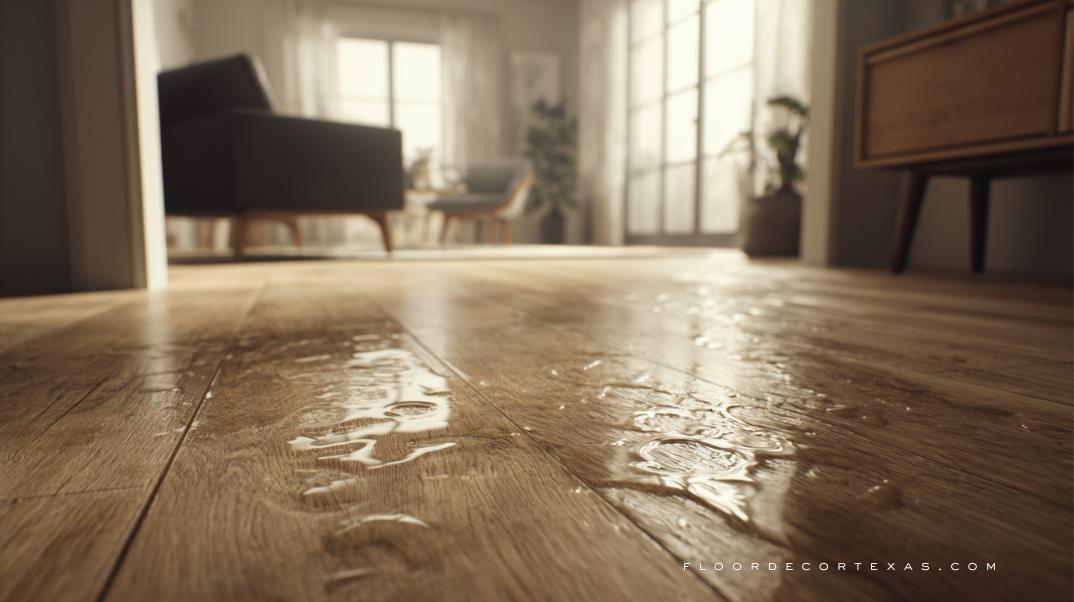
When you think about renovating your home, flooring is often at the top of the list. Yet, before you dive into the endless choices available, have you considered how moisture might affect your investment? Laminate flooring, for instance, is a popular choice, but can it withstand the moisture-prone areas of your home? The answer isn’t as straightforward as you’d think, and getting it wrong could cost you heavily in the long run. If you’re looking to invest wisely and want your flooring to stand the test of time, read on and explore expert resources in the Floor Decor Texas Knowledge Center.
Understanding Laminate Flooring
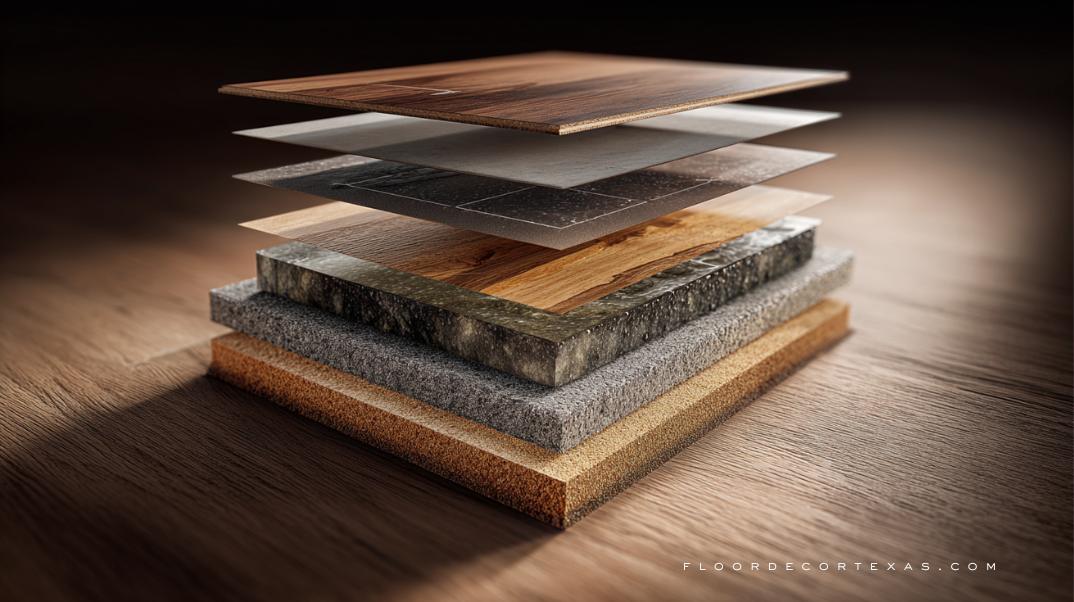
Laminate flooring is constructed using a layered structure that includes a photographic applique layer beneath a clear protective layer, sitting on a core usually made of fiberboard. This structure gives it the appealing look of natural wood or stone at a fraction of the cost, making it a common solution in modern home renovation projects.
- Core Made of Fiberboard: Most laminate cores are made from high-density fiberboard (HDF), which can swell when wet. While durable, it absorbs moisture more easily than other materials, potentially causing expansion.
- Protective Overlay: This layer provides resistance to daily wear and tear. While not completely waterproof, it can handle small spills if cleaned quickly and helps protect the design layer from fading or scratches.
What Happens in Moisture-Prone Areas?
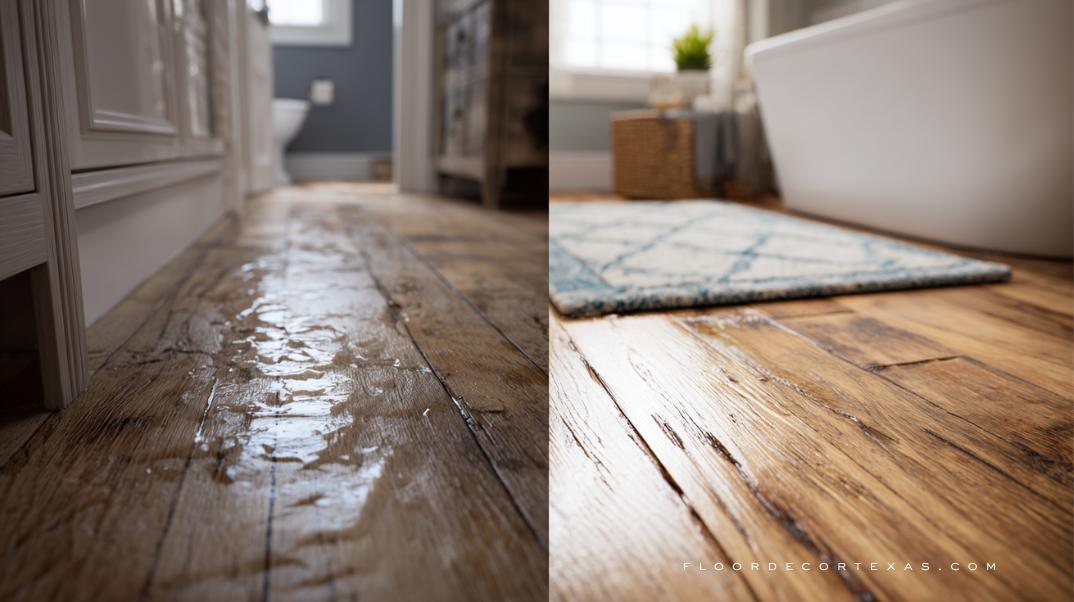
Moisture is a formidable enemy to traditional laminate flooring. When exposed to even minor amounts of moisture, fibers in the core may expand, causing visible damage like buckling or warping. Interior designer Emily Green notes, “Moisture is a silent foe that can ruin the aesthetics and integrity of your flooring.”
Fortunately, advancements in manufacturing have led to improved laminate flooring options specifically designed for challenging environments such as kitchens and bathrooms. Learning how laminate behaves in these conditions is essential when comparing flooring solutions across the broader home improvement landscape.
- Water-Resistant Laminate: Suitable for areas prone to minor splashes, such as kitchens. It offers delayed water penetration but is not completely impervious.
- Waterproof Laminate: Designed to withstand more significant water exposure for longer periods. Ideal for bathrooms or entryways where moisture is frequent, thanks to sealed joints and advanced core materials.
Comparing Laminate Flooring Options
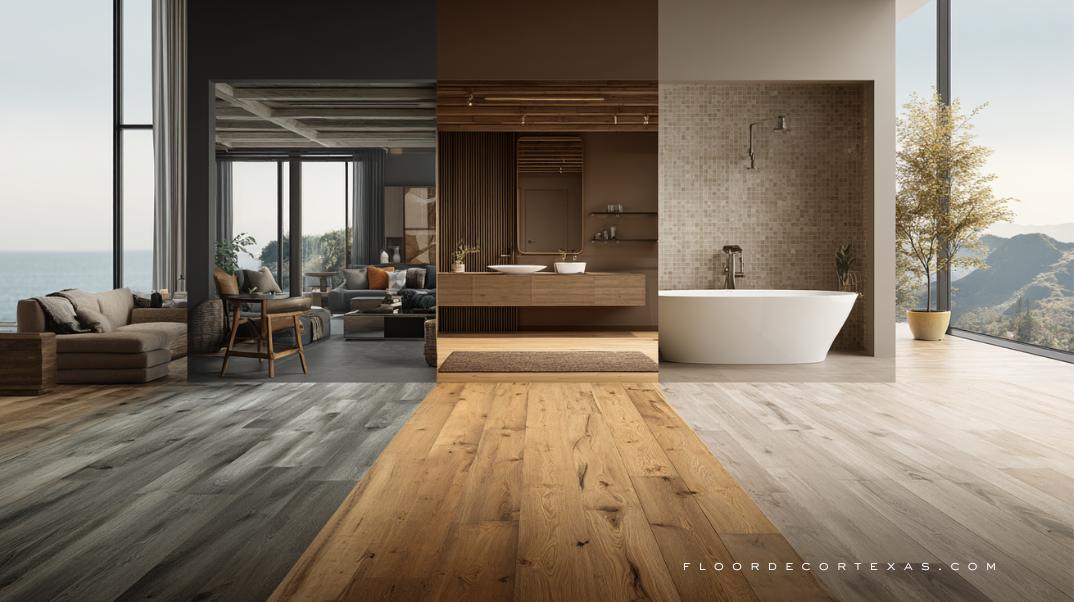
Understanding how laminate variants stack up can guide your decision-making and prevent costly mistakes. Below is a comparison highlighting durability and moisture resistance:
| Type of Laminate | Ideal Use Case | Moisture Resistance | Average Lifespan |
|---|---|---|---|
| Standard Laminate | Living Rooms | Low | 10–20 years |
| Water-Resistant Laminate | Kitchens | Moderate | 15–25 years |
| Waterproof Laminate | Bathrooms | High | 20–30 years |
Making a Suitable Choice
Choosing laminate flooring for areas prone to moisture requires careful evaluation. Not every laminate product is designed for constant exposure to humidity; therefore, selection should be based on the specific conditions of each room and long-term performance expectations.
- Evaluate Your Environment: Bathrooms and entryways typically demand stronger moisture protection than living spaces.
- Budget Considerations: While waterproof laminate may have a higher upfront cost, it often reduces long-term repair and replacement expenses.
FAQs
Can standard laminate flooring be used in bathrooms or basements?
No, standard laminate flooring is not suitable for bathrooms or basements due to persistent moisture exposure, which can compromise the fiberboard core.
What is the difference between water-resistant and waterproof laminate flooring?
Water-resistant laminate handles brief moisture exposure, while waterproof laminate is engineered for prolonged contact with water, making it more suitable for bathrooms and laundry rooms.
How can I protect my laminate flooring from water damage?
- Clean spills immediately.
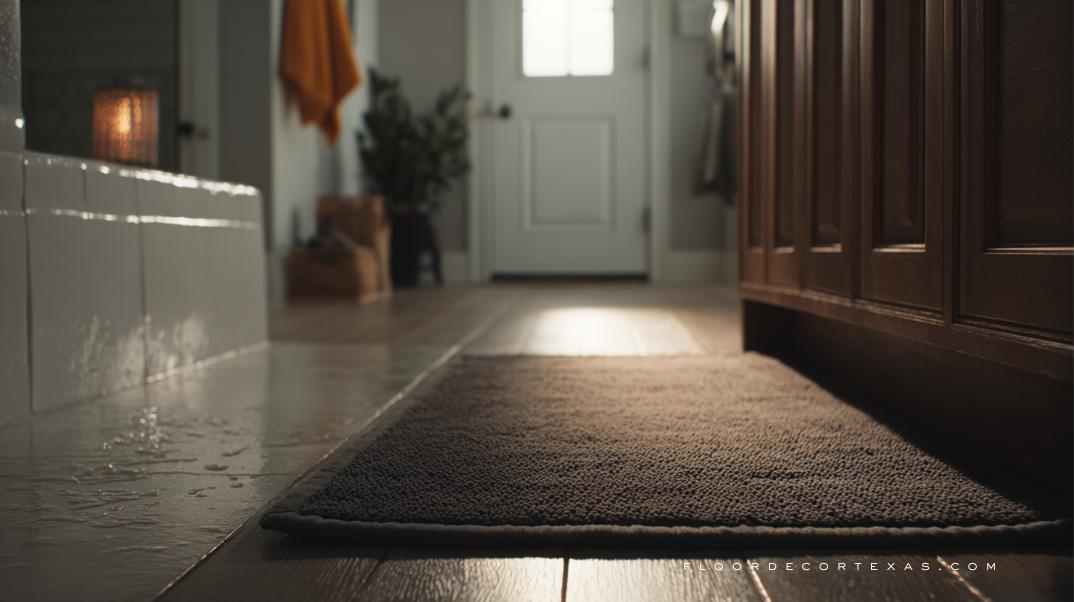
- Use mats near sinks and entryways.
- Seal edges with waterproof sealant.
- Install a moisture-resistant underlayment.
Is waterproof laminate flooring more expensive?
Yes, but its extended lifespan and reduced maintenance often offset the higher initial investment.
How long does waterproof laminate flooring last?
With proper care, waterproof laminate flooring can last 20–30 years.
Next Steps
To ensure long-lasting results:
- Assess moisture levels in each room.
- Balance cost with durability.
- Research reputable manufacturers.
- Hire experienced installers.
- Commit to regular maintenance.
By following these steps, your laminate flooring can deliver both beauty and durability, even in moisture-challenged areas of your home.
