Vinyl flooring is a synthetic, durable flooring material made primarily from PVC that mimics the look of wood or stone. It is essential for modern renovations because it is 100% waterproof and budget-friendly, making it ideal for kitchens and bathrooms where wood fails. Is it the right fit for your home? Let’s find out.
What exactly is vinyl flooring?
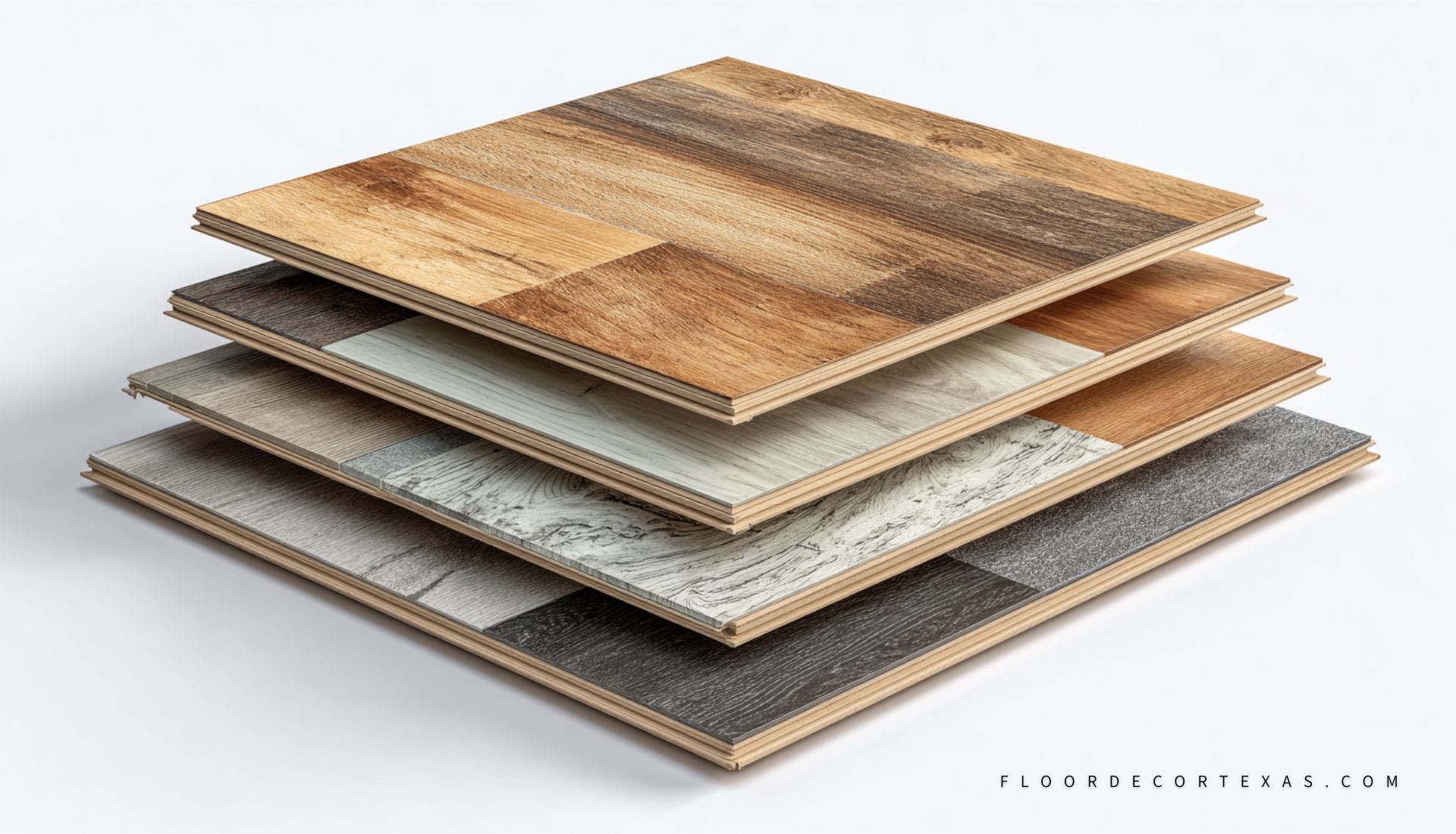
Vinyl flooring is a man-made product constructed from polyvinyl chloride (PVC) and various plasticizers. It’s designed to be tough, waterproof, and easy on the wallet.
Think of it as the resilient cousin to traditional floors. It’s built in layers. You have a sturdy backing, a core, a high-resolution photo layer (that’s the wood look), and a transparent “wear layer” on top to stop scratches. It looks like hardwood or stone, but it doesn’t act like them. It handles water better. It handles spills better. And usually? It handles your bank account better.
[Image of vinyl flooring layers diagram]
Why do people choose it?
- It’s affordable compared to real timber.
- You can put it in bathrooms (try doing that with oak).
- It’s easy to clean when life gets messy.
Modern options, specifically Luxury Vinyl Plank (LVP), aren’t the peeling tiles of the 1970s. They use advanced imaging. Some are so realistic you have to touch them to know they aren’t wood.
What are the main types of vinyl flooring?
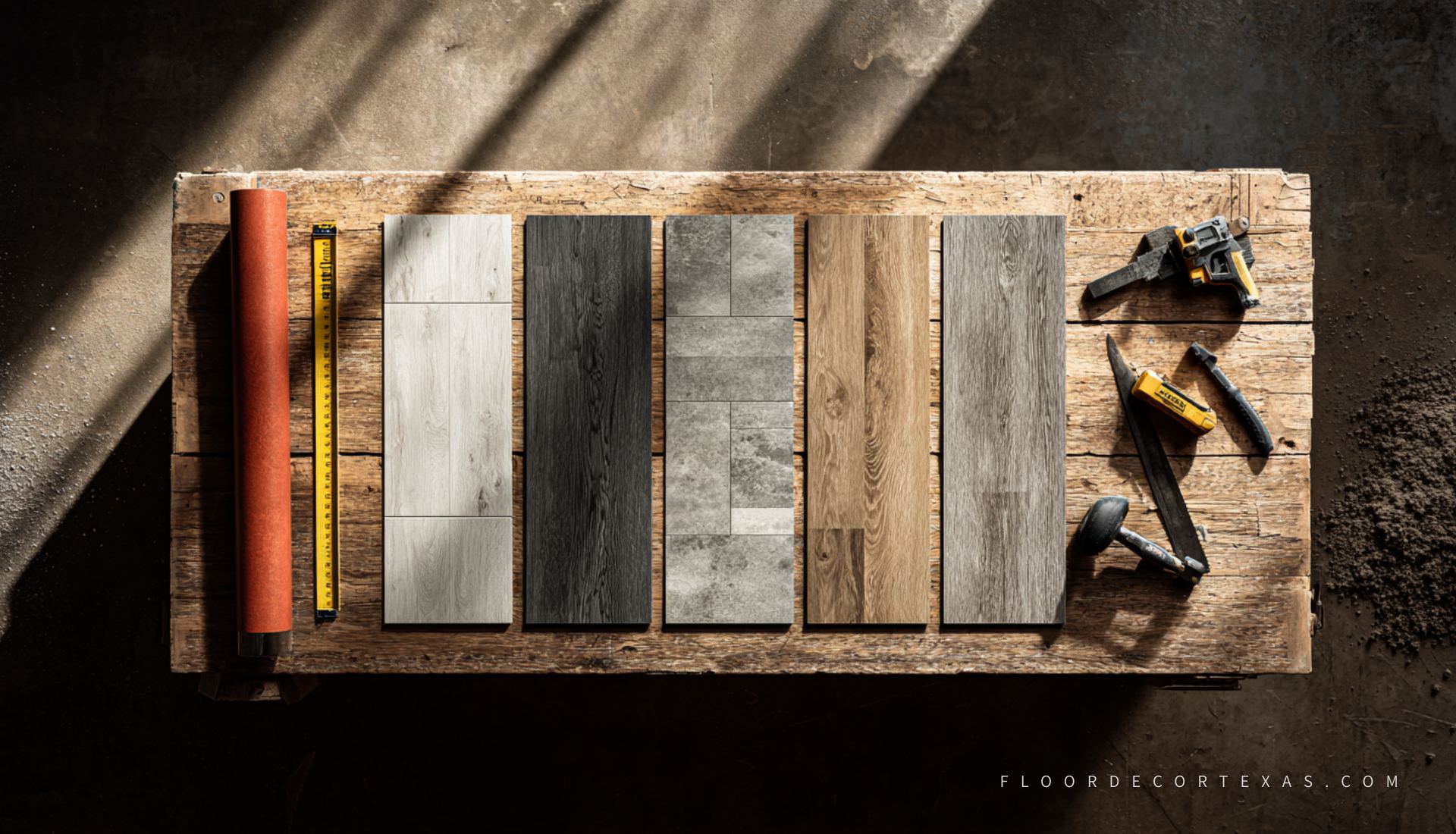
There are four main categories you need to know: Sheet Vinyl, VCT, LVP, and Rigid Core hybrids. Choosing the wrong one can be a headache. Let’s break them down so you pick the right one for your specific situation.
Sheet Vinyl
Best for: Bathrooms, laundry rooms, and tight budgets.
This comes in big, wide rolls. Because it’s one big sheet, water has nowhere to seep through. It’s great for moisture. However, wrestling a 12-foot roll into a small bathroom? That’s tough work. If you aren’t a pro, the installation might frustrate you.
Vinyl Tile (LVT)
Best for: Entryways or kitchens where you want a stone look.
Luxury Vinyl Tile (LVT) mimics stone or ceramic. It’s softer to walk on than real tile, which your knees will thank you for. If you drop a heavy pot, you might dent it, but unlike ceramic, it won’t shatter.
Vinyl Plank (LVP)
Best for: Living rooms and bedrooms.
This is the crowd favorite. It comes in long planks like wood. It clicks together. It looks fantastic. Just be careful with the cheapest options—they can be thin. If you are comparing vinyl vs tile for a kitchen, LVP often wins on comfort and warmth.
Rigid Core: SPC vs. WPC
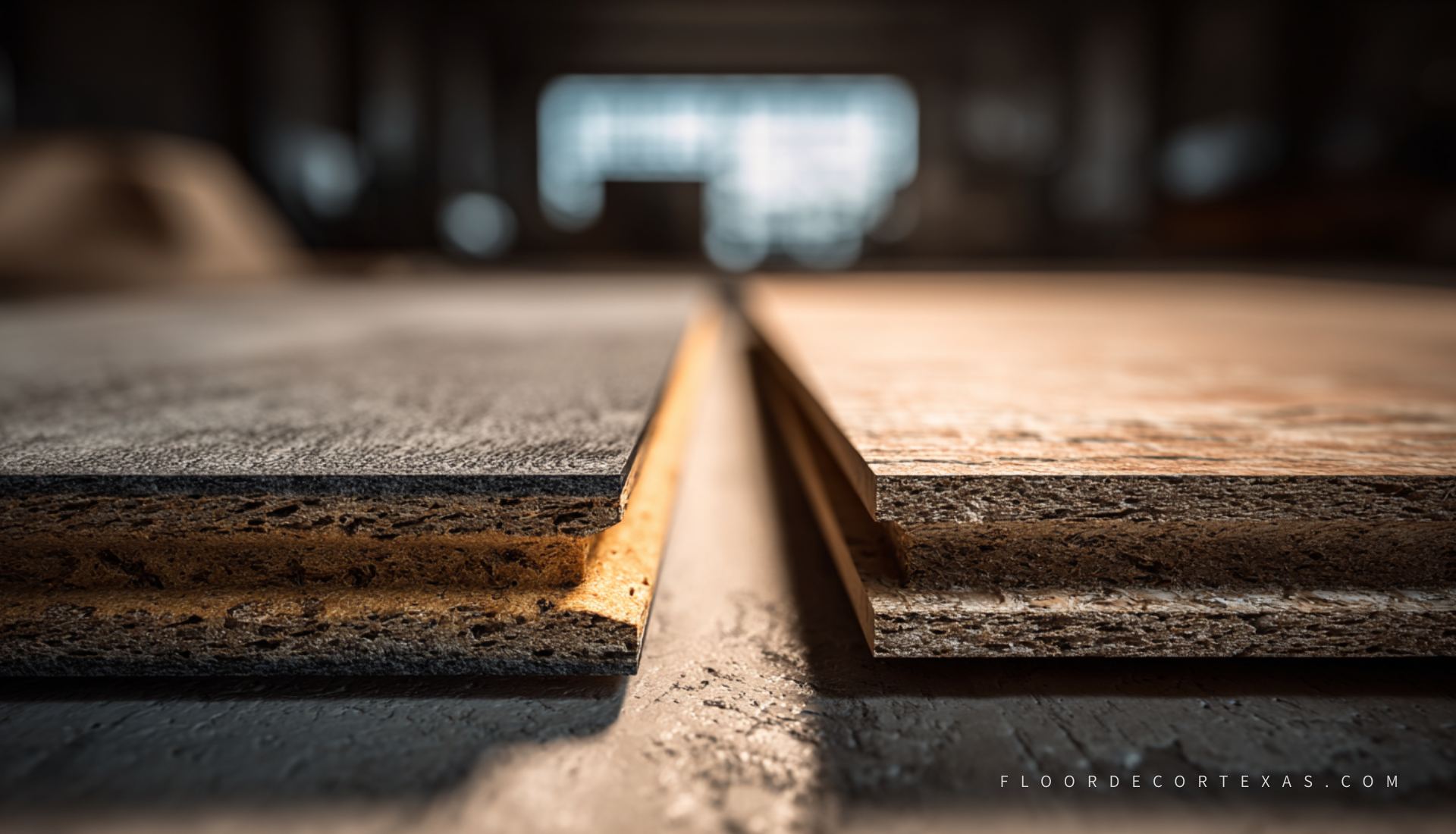
Best for: Busy households and uneven subfloors.
This is where it gets technical, but stick with me. This matters.
- SPC (Stone Plastic Composite): The core has limestone in it. It is rock hard. Indestructible? Almost. It’s great for high traffic, but it feels firm underfoot.
- WPC (Wood Plastic Composite): The core has wood pulp and foaming agents. It’s softer. It’s warmer. It’s nicer to walk on, but a heavy couch might leave a dent.
The simple rule: Want comfort? Go WPC. Want armor plating? Go SPC.
How is vinyl flooring constructed?
A vinyl plank is a sandwich of protective and decorative layers fused together.
This isn’t just plastic poured into a mold. The quality comes down to the “Wear Layer.” This is the top clear coat. It is measured in “mils” (not millimeters).
- 6-10 mils: Okay for a guest room.
- 12 mils: The minimum you want for a normal house with kids.
- 20+ mils: Commercial grade. A dog’s claws won’t hurt this.
If you are buying for a busy family home, don’t settle for less than 12 mils. You’ll regret it in three years.
What are the benefits of vinyl flooring?
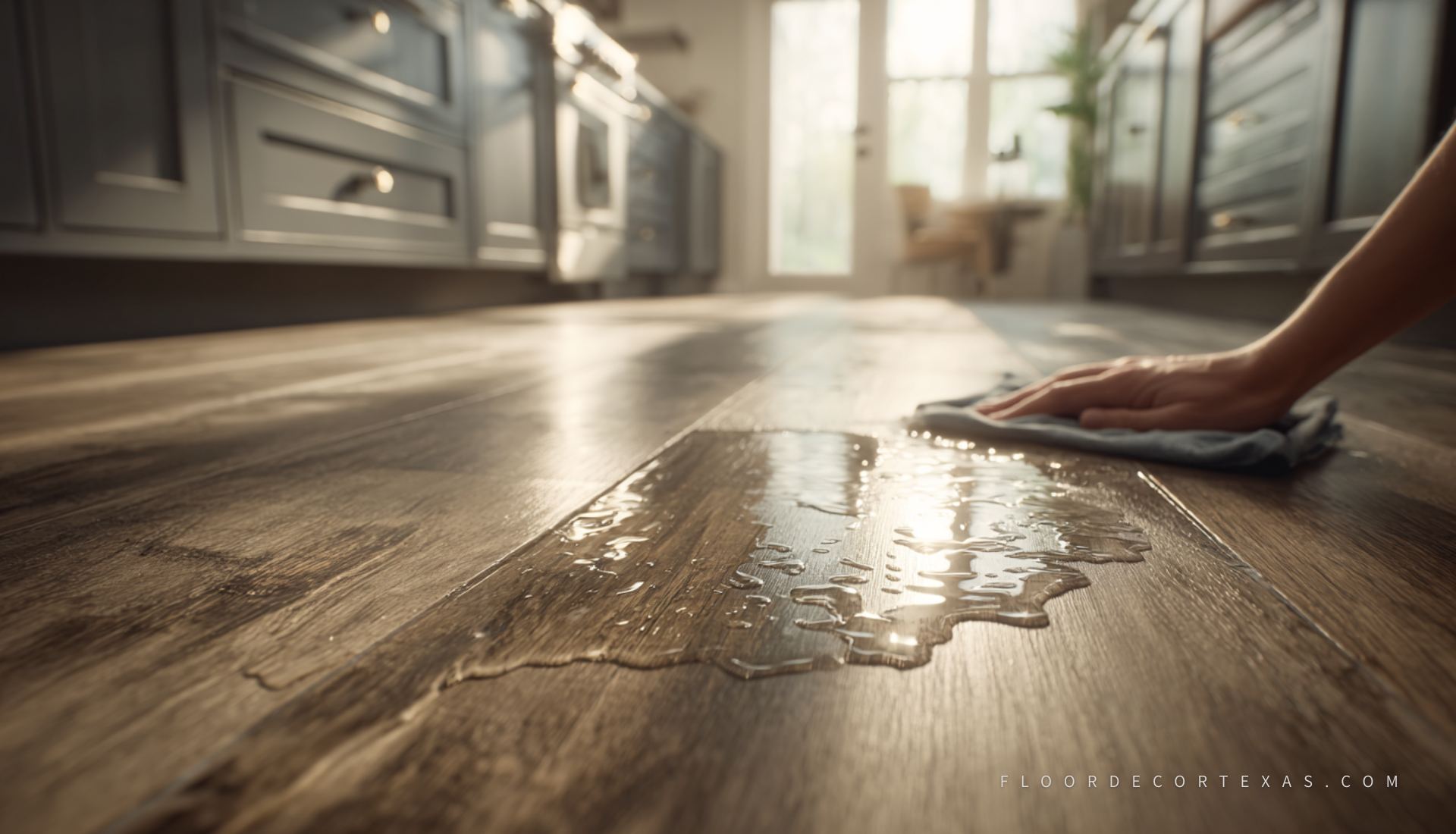
Vinyl is 100% waterproof, highly durable, and significantly cheaper than natural materials. Let’s look at why this might solve your flooring problems.
It handles water
Real wood swells when wet. Laminate bubbles. Vinyl? It doesn’t care. You can flood it, dry it off, and it’s fine. This relieves a lot of stress in kitchens and basements.
It takes a beating
Scratches. Stains. Toddlers throwing toys. Vinyl, especially with a thick wear layer, handles chaos well. It lasts a long time if you treat it right. For high-traffic areas, it is one of the most reliable choices you can make.
It’s quiet and warm
Tile is cold and hard. Vinyl stays room temperature and absorbs sound. If you have a second-story apartment, your downstairs neighbors will appreciate the sound dampening.
You can install it yourself
Most modern planks use a “click-lock” system. No glue. No nails. Just snap them together. It’s a very doable weekend project.
What are the downsides of vinyl flooring?
Vinyl cannot be refinished, can be dented by heavy objects, and doesn’t add as much resale value as hardwood. I want you to be realistic. It’s not a magic material. Here is the bad news:
Once it’s done, it’s done
When hardwood scratches, you sand it down and refinish it. You can’t do that here. If a vinyl plank is ruined, you have to rip it out and replace it. Buy an extra box when you install—you might need it five years from now.
Dents happen
Heavy sofas can leave permanent divots, especially on softer WPC floors. Use furniture pads. Always.
The sun hurts it
Direct, hot sunlight day after day can fade the pattern or even warp the planks. If you have floor-to-ceiling windows, you need good blinds or a different floor.
How long do vinyl floors last?
Expect standard vinyl to last 10–20 years, while high-end rigid core options can last up to 25 years.
The lifespan depends entirely on the wear layer. A cheap 6-mil floor might look shabby in 5 years. A quality 20-mil SPC floor will likely outlast your time in the house.
How does vinyl compare to other flooring?
Vinyl beats laminate on water resistance and hardwood on price, but hardwood wins on resale value. It’s tough to decide. Here is a quick breakdown to help you compare the facts:
| Feature | Vinyl | Laminate | Hardwood | Tile |
|---|---|---|---|---|
| Waterproof | ✅ | ❌ (mostly) | ❌ | ✅ |
| Refinishing | ❌ | ❌ | ✅ | ❌ |
| DIY-Friendly | ✅ | ✅ | ❌ | ⚠️ (complex) |
| Comfort | ✅ (WPC) | ✅ | ✅ | ❌ (cold/hard) |
| Lifespan | 10–25 yrs | 10–20 yrs | 50+ yrs | 30–50 yrs |
| Cost | $–$$ | $–$$ | $$–$$$$ | $$–$$$ |
For a deeper dive into the other synthetic option, check out our guide to laminate flooring.
What do I need to know about installation?
Installation depends on the type, but most homeowners prefer floating click-lock planks for simplicity.
Before you start, check your subfloor. Is it flat? If it has dips or bumps, the vinyl will flex and break. Fix the subfloor first. It’s boring work, but it saves the floor.
- Floating: Click and lock. Easy.
- Glue-down: Messy. Usually for pros or commercial spaces.
- Loose lay: Uses friction. Good for small, weird spaces.
How do you clean and maintain vinyl?
Keep it simple: sweep often and mop with a pH-neutral cleaner.
You don’t need fancy machines. Actually, avoid steam mops. The heat can force moisture between the planks and damage the glue. Just vacuum (without the beater bar) and wipe up spills when they happen.
How do I choose the right vinyl for my home?
Focus on moisture levels, traffic volume, and your specific comfort needs. Here is a checklist to help you decide:
- Is it a wet room? If yes (Bathroom/Kitchen), get SPC or WPC.
- Do you have big dogs? Get a wear layer of 20 mils or higher.
- Do you hate cold floors? Choose WPC (Wood Plastic Composite) over SPC.
- Is money tight? Sheet vinyl is the cheapest option.
- Is indoor air quality a priority? Look for products with FloorScore® certification to ensure low chemical emissions.
Quick FAQ
Is vinyl flooring actually waterproof?
Yes, the material itself is plastic and won’t absorb water. However, if you flood the room, water can still seep through the cracks to the subfloor. Wipe up spills, and you’re safe.
Is vinyl good for pets?
It’s excellent for pets. It provides grip for their paws and resists scratches from their claws. Plus, accidents wipe right up.
Can I install it in a bathroom?
Absolutely. It’s one of the best choices for bathrooms. Just make sure you caulk the edges so water doesn’t get underneath.
Will it look cheap?
It doesn’t have to. If you buy the $0.99 sq/ft stuff? Yes. If you buy quality LVP with textured grain? Most people won’t know the difference.
The Bottom Line
Vinyl flooring is a practical, durable solution for real life. It handles the mess, the water, and the traffic without costing a fortune. If you need a floor that you don’t have to baby, this is likely your best bet.
Next Steps for You:
- Go measure your room (length x width). add 10% for waste.
- Go to a store and touch the samples. Feel the difference between SPC and WPC.
- Check that “wear layer” number on the box. Remember: 12 mil or higher.
