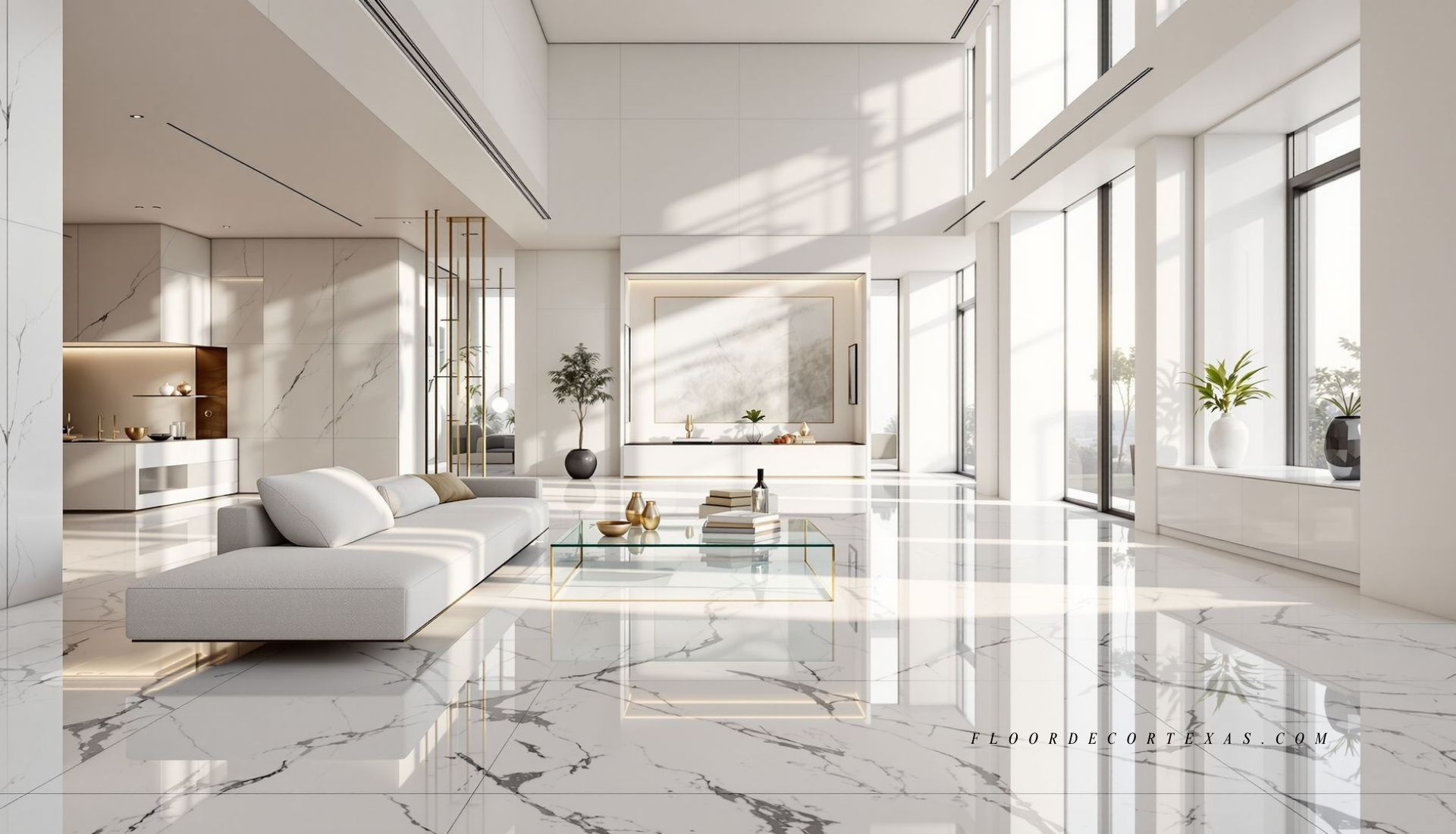
Marble flooring embodies elegance and timeless luxury, often seen in high-end homes and commercial spaces. Known for its unique veining and a wide variety of colors, marble offers sophistication unmatched by other flooring materials. However, it also requires specific care, making it crucial for homeowners to weigh its benefits and maintenance needs. In this guide, we’ll explore everything you need to know about marble flooring, including types, installation, and essential maintenance tips, to help you determine if marble is the right choice for your space.
What is Marble Flooring?
Overview of Marble as a Natural Stone
Marble is a natural stone, formed from limestone through a process of extreme heat and pressure that creates its signature veining. Made primarily of calcite, marble’s intricate patterns and color variations make each tile unique, adding a distinctive elegance to any setting.
Benefits of Marble Flooring
- Aesthetic Appeal: Marble exudes luxury with its natural veining and polished appearance.
- Longevity: When well-maintained, marble floors can last a lifetime.
- Cooling Properties: Naturally cool underfoot, marble is an excellent choice for warmer climates.
- Increases Property Value: Marble flooring is often seen as a luxury upgrade, adding value and appeal in real estate.
Drawbacks to Consider
- High Cost: Marble can be more expensive than other flooring options, both for materials and installation.
- Maintenance Requirements: Susceptible to stains and scratches, marble requires regular sealing and extra care.
- Suitability in High-Traffic Areas: Without sealing and diligent maintenance, marble may not be ideal for busy spaces.
Types of Marble Flooring
Marble flooring comes in various types and finishes, each offering unique aesthetics and functionality.
Popular Types of Marble by Color and Pattern
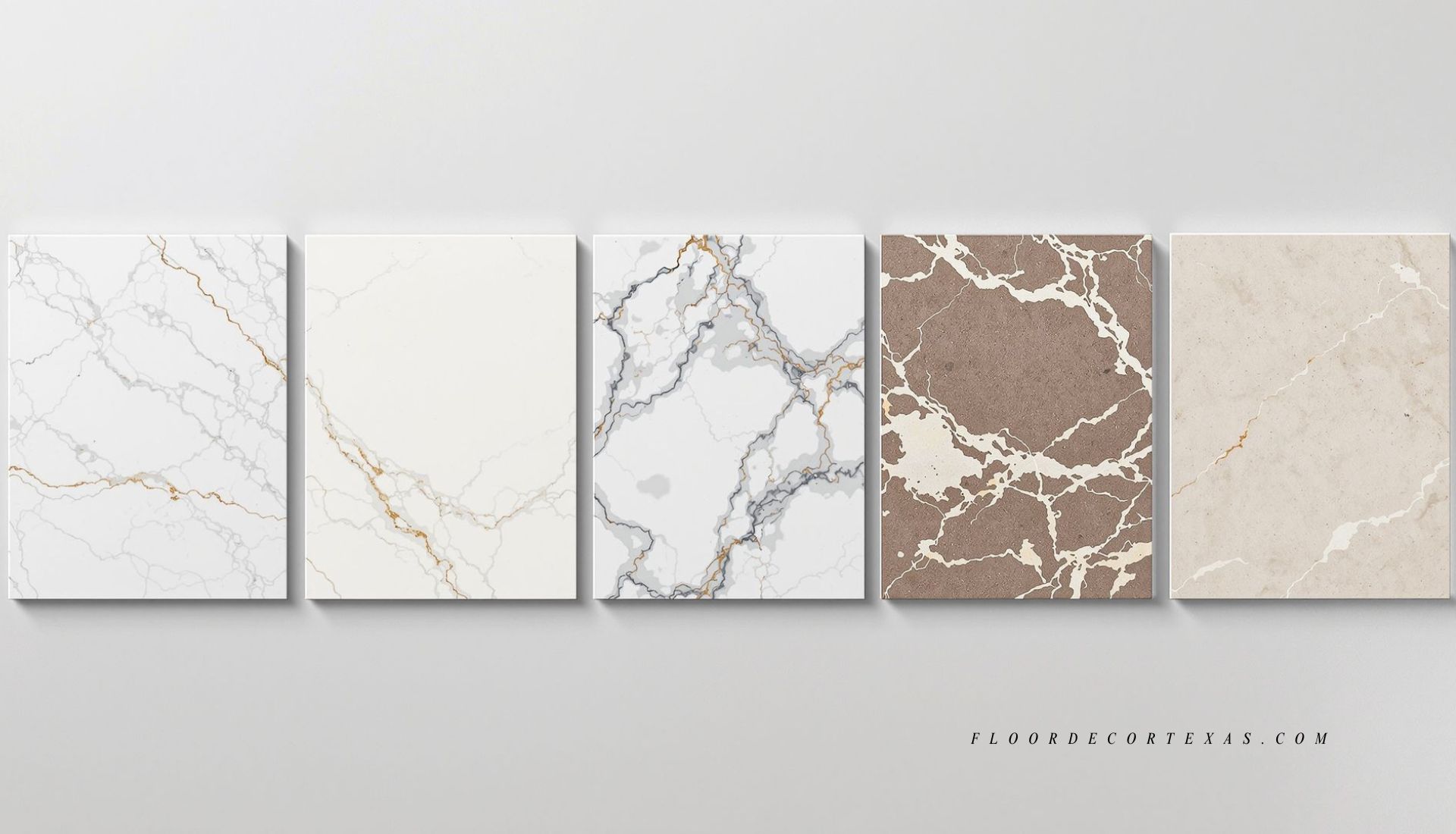
- Carrara Marble: Known for soft white and gray veining, a classic choice for bathrooms and kitchens.
- Calacatta Marble: Rare and luxurious, featuring bold, dramatic veining, often used in upscale designs.
- Statuario Marble: Recognized for its bright white base and pronounced gray veining, ideal for high-end installations.
- Emperador Marble: Offers rich brown hues and lighter veining, adding warmth to interiors.
- Crema Marfil: A neutral beige option that creates a softer, more subtle look in living spaces.
Polished vs. Honed Finish
- Polished Marble: Features a glossy, reflective surface that enhances colors and veining but can be slippery.
- Honed Marble: Matte and less slippery, making it a better choice for high-traffic or wet areas.
Specialty Marble Flooring Options
- Tumbled Marble: Provides a rustic, textured look, popular for vintage and traditional designs.
- Textured or Acid-Washed Marble: Adds slip resistance, making it suitable for bathrooms or poolside areas.
Key Considerations When Choosing Marble Floors
When deciding on marble flooring, take into account factors such as durability, stain resistance, and environmental fit.
Durability and Hardness
Marble is durable yet softer than granite, which makes it susceptible to scratching and chipping. For high-traffic areas, choosing a harder variety or applying regular maintenance can help preserve its condition.
Porosity and Stain Resistance
Due to its porous nature, marble is vulnerable to stains and requires frequent sealing. Regular sealing helps protect the surface from absorbing spills and oils that can cause lasting damage.
Environmental Factors
- Sensitivity to Acids: Marble can etch or discolor when exposed to acidic substances, such as lemon juice or vinegar.
- Climate Suitability: Ideal for warmer climates due to its cooling properties, marble is also valued for its insulating capabilities in hot environments.
Marble Flooring Installation Process
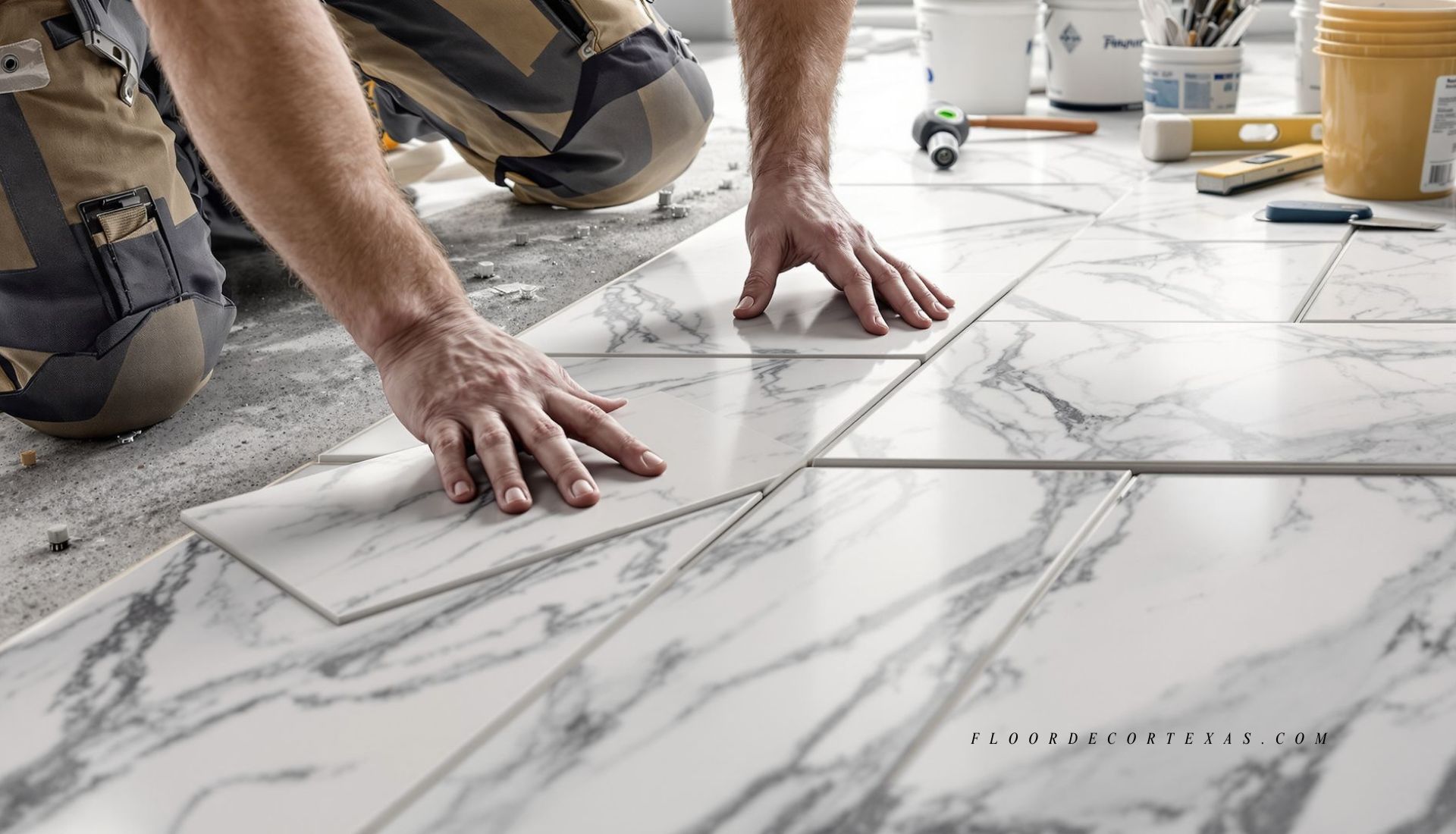
Marble flooring installation requires careful planning and specific techniques to achieve a professional look.
Preparation for Installation:
A smooth, level subfloor is essential to prevent cracking and ensure longevity. Gather all tools, including adhesives, grout, sealants, and specialized marble saws if needed.
Step-by-Step Installation Guide
- Dry Fitting and Pattern Layout: Plan your layout, considering the natural veining to create a cohesive, visually pleasing pattern.
- Applying Adhesive and Setting Tiles: Apply adhesive evenly and carefully set each tile in place for a firm bond.
- Grouting and Sealing: Choose a grout color that complements the marble, and apply sealant after grouting for added protection.
Cost of Marble Flooring Installation
The installation cost for marble floors varies by factors such as tile size, marble quality, and pattern complexity. On average, expect higher costs than standard tile due to the expertise required for handling marble.
Maintenance and Care for Marble Floors
Daily and Routine Cleaning
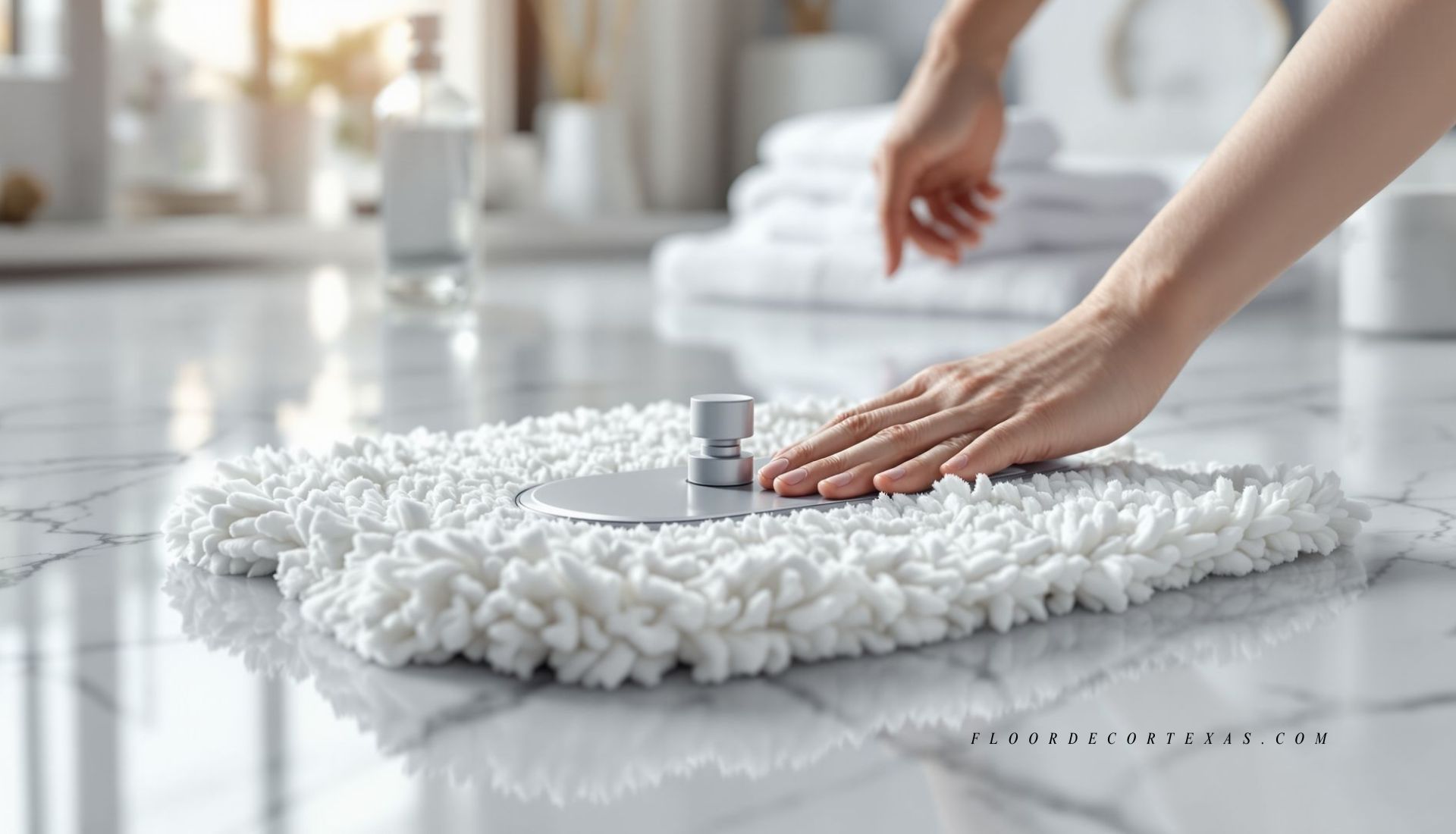
Use soft, non-abrasive tools like a microfiber mop and pH-neutral cleaner to prevent surface damage. Avoid acidic or harsh cleaners, which can dull the marble’s finish or cause etching.
Periodic Sealing and Stain Prevention:
Marble should be resealed every 6-12 months, depending on foot traffic and moisture exposure. Use high-quality, stone-specific sealants to enhance stain resistance.
Scratch and Etch Removal Tips:
For minor scratches, polish gently with a soft cloth. Deep scratches or etching may require professional restoration services to restore the surface to its original condition.
How to Wash, Clean, and Polish Marble Floors
What is the best way to care for marble floors?
Marble floors require more than just a mop and bucket—proper care ensures their luxurious shine and longevity. Here’s how to safely and effectively wash, clean, and polish marble floors to maintain their natural beauty.
Cleaning Tools and Products to Use
- Soft Mop or Cloth: Microfiber mops are ideal for preventing abrasions.
- pH-Neutral Cleaner: Choose a marble-specific solution or mild soap diluted in warm water.
- Warm Distilled Water: Tap water may contain minerals that leave streaks or spots.
Steps for Washing Marble Floors
- Dust First: Sweep or vacuum with a soft brush attachment to remove debris.
- Dilute Cleaner: Mix a few drops of pH-neutral cleaner into warm distilled water.
- Mop Gently: Use a damp (not soaking wet) mop to clean the surface, working in sections.
- Rinse: Go over the floor again with clean distilled water to remove any residue.
- Dry Immediately: Use a soft towel or dry mop to prevent water spots and streaks.
How to Polish Marble Floors
- Use a Marble Polishing Powder: Apply with a soft cloth in circular motions over the area.
- Buff with a Soft Pad: A low-speed buffer or hand-held pad enhances shine without damaging the stone.
- Avoid Waxes: Never use wax-based products on marble—they can trap dirt and discolor over time.
- Professional Polishing: For deep dulling or etching, consider professional polishing services every few years.
Maintenance Schedule for Marble Floors
| Task | Frequency | Purpose |
|---|---|---|
| Dust Mopping | Daily | Removes grit and debris that can cause scratching |
| Damp Mopping | Weekly | Cleans dirt and maintains shine |
| Sealing | Every 6–12 months | Protects against stains and moisture |
| Polishing | Annually or as needed | Restores surface gloss and smoothness |
